Trump’s Iran Stance Sparks Global Oil Fears, NATO Alliance Doubts
President Trump's recent erratic statements on Iran have caused global oil prices to surge and raised fears of regional instability. Simultaneously, his questioning of NATO's value prompts experts to warn European allies of a potential future without US security guarantees.

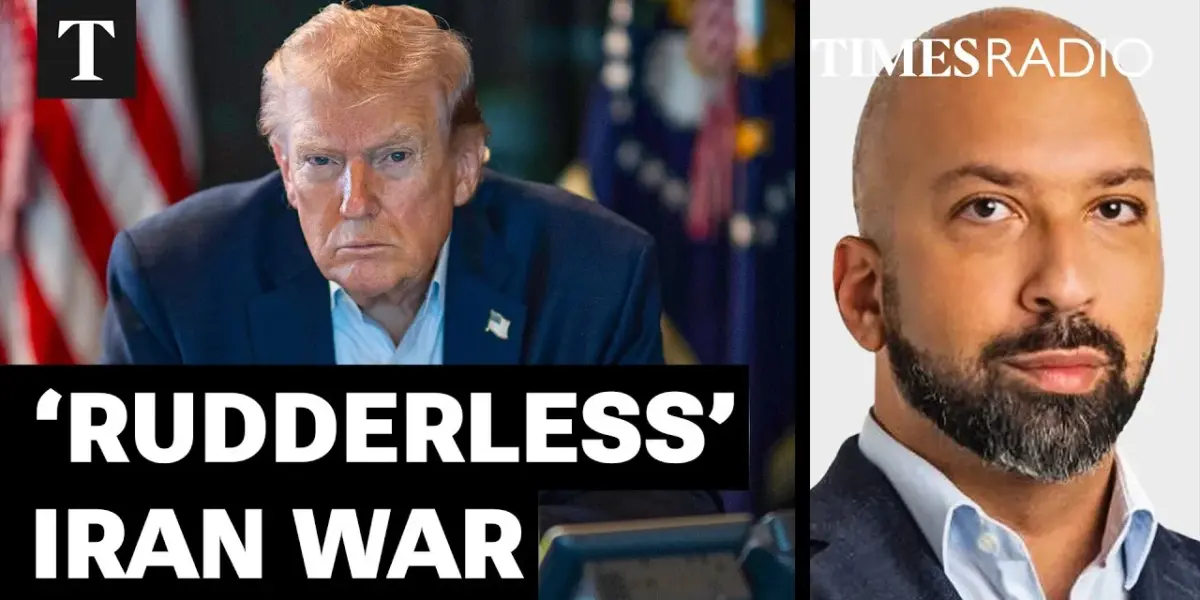
Global Tensions Rise as Trump’s Iran Policy Faces Scrutiny
President Donald Trump’s recent statements regarding Iran have sent shockwaves through international markets and raised serious questions about the future of global security alliances. In a series of remarks, Trump first suggested that a potential conflict with Iran was nearing its end, only to follow up with strong threats of devastating action. These conflicting messages have fueled uncertainty, causing oil prices to spike and leading experts to question the stability of long-standing international partnerships.
Unpredictable Rhetoric Rattles Middle East
Middle East correspondent Sam Alush of The Times described the situation as increasingly unclear and the US military operation in the region as “rudderless.” Initially, the US and Israel may have envisioned a swift conflict leading to regime collapse. However, Iran’s resilience, its ability to continue launching drones and missiles, and its control over the vital Strait of Hormuz appear to have been underestimated. This has left many in the region, including allies like Saudi Arabia and the United Arab Emirates, in a state of unease, unsure of the next steps.
“There is so little trust I think in Trump right now. The statements are increasingly erratic. He’s been behaving erratically… trust is hitting a rock bottom with the US president.”
The Iranian regime, having successfully weathered initial actions and demonstrated its capacity to disrupt global oil supplies, is seen as having gained a strategic advantage. This control over the Strait of Hormuz, a critical chokepoint for global energy, allows Iran to hold the global oil market at ransom. The implications extend beyond oil, potentially affecting fertilizer, helium, and aluminum supplies, and risking global inflation and regional recessions. This situation has left some countries wary of leaving Iran in a position of strength.
NATO’s Future in Doubt Amid US Alliance Questions
Adding to the global unease, President Trump’s skepticism towards NATO has resurfaced. Before his address on Iran, he reportedly considered withdrawing the US from the alliance, calling it a “paper tiger.” While not repeated in his public speech, his emphasis on allies taking responsibility for their own security suggests a potential shift away from American commitments.
General Sir Richard Sheriff, former NATO Supreme Allied Commander, stressed the seriousness of these remarks. He noted that this is part of a consistent theme since Trump took office, with previous comments indicating a desire for America to stop underwriting European security. The general warned that European NATO members must “get real” about the possibility of a future without US involvement and begin planning for a security architecture based on European powers.
Europe Must Prepare for a US-Free NATO
The potential withdrawal of the US from NATO would fundamentally alter European security, leaving a significant gap. General Sheriff emphasized that Europe and Canada would bear the responsibility of filling this void. He stated that the era of America as the “benign hegemon” underpinning European security is over. While the alliance might not survive in its current form without the US, Europe must begin developing its own defense capabilities.
The discussion also touched upon the UK’s relationship with Europe in light of these potential shifts. Pragmatically, from a defense and security standpoint, closer ties with Europe are seen as essential. The possibility of the US withdrawing from NATO, while requiring congressional approval, is considered a real threat if Trump is determined to pursue it. Experts suggest he could find ways to overcome legislative hurdles.
Looking Ahead: Navigating Global Uncertainty
The coming weeks and months will be crucial in determining the trajectory of both the Iran conflict and the future of NATO. Continued unpredictable rhetoric from the White House could further destabilize energy markets and strain international relations. Meanwhile, European nations face the urgent need to develop a more independent defense strategy, potentially reshaping the global security landscape for years to come. The world watches to see if diplomatic efforts can de-escalate tensions in the Middle East and if alliances like NATO can adapt to a changing geopolitical reality.
Source: Trump’s ‘Erratic’ Behaviour Fuelled By Trust Hitting ‘Rock Bottom’ On Iran (YouTube)

Related Articles
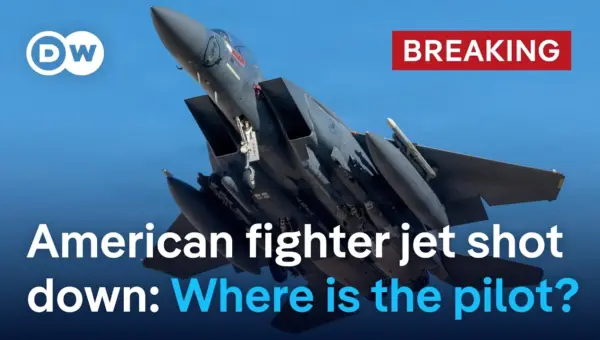
US Jet Downed in Iran: Crew Fate Unknown, War Unpopular
An American F-15 fighter jet has been shot down over Iran, with U.S. officials confirming the loss but offering few details on the crew's fate. The incident occurs amid widespread public opposition to the war and raises questions about Iran's air defense capabilities.
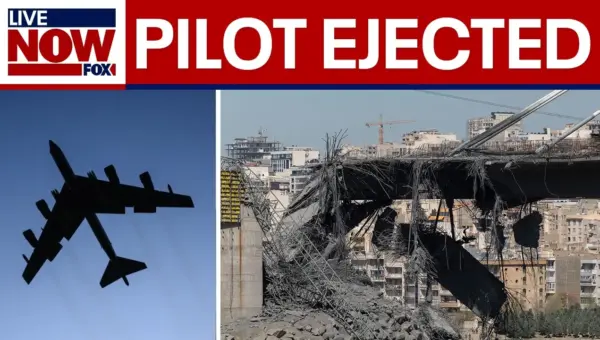
Iran Claims US Pilot Ejected; US Silent Amid Escalating Tensions
Iran claims a U.S. pilot ejected from a fighter jet over its territory, offering a reward for capture. The U.S. has not confirmed the report amid escalating regional tensions. Military experts discuss the strategic implications of U.S. strikes and the potential for internal change in Iran.

Trump Ousts AG Bondi, Eyes Zeldin as Successor
Pam Bondi is out as Attorney General after one year, with Deputy AG Todd Blanche serving as Acting AG. President Trump confirmed the departure, praising Bondi and hinting at a new private sector role. Lee Zeldin is reportedly being considered as Bondi's permanent replacement, amid ongoing speculation about other cabinet changes.