Iran Conflict Escalates: US Faces Strategic Crossroads
The U.S. faces a complex geopolitical crisis in Iran, marked by shifting objectives, economic pressures, and the risk of escalation. Meanwhile, domestic concerns over gas prices and election cycles loom large. The program also examined the spread of misinformation in the Tyler Robinson case and the growing impact of AI.

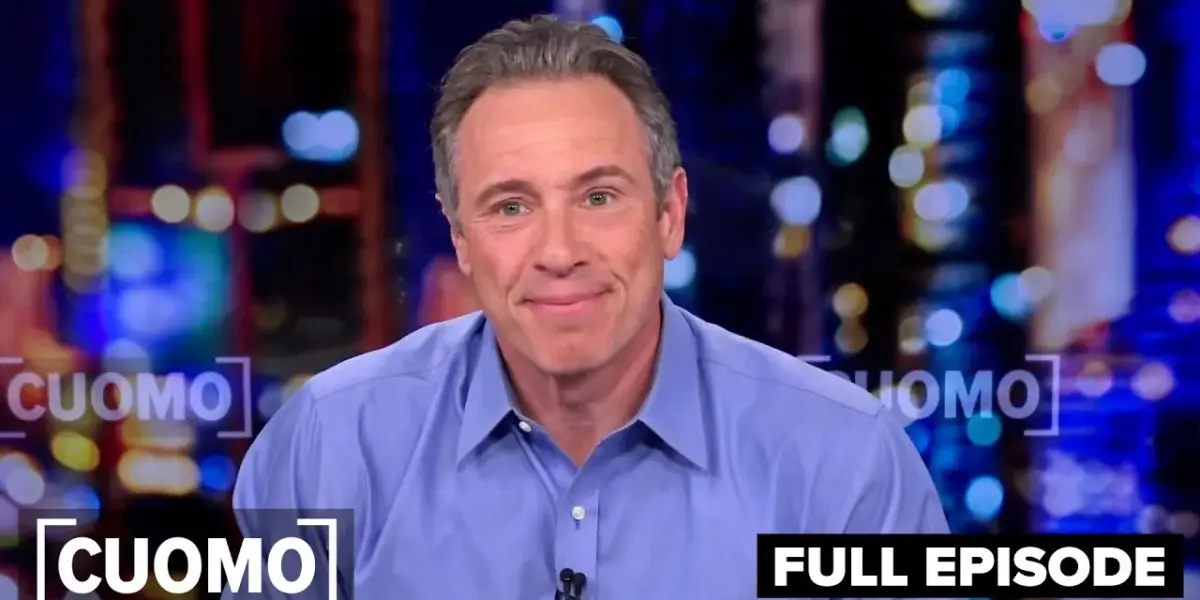
Iran Conflict Escalates: US Faces Strategic Crossroads
The United States is at a critical juncture regarding its involvement in Iran, facing complex geopolitical challenges and shifting domestic priorities. Recent statements from President Trump and expert analysis highlight deep divisions and uncertainties about the goals and outcomes of U.S. actions in the region. The situation is further complicated by rising domestic concerns over gas prices and the upcoming midterm elections.
Shifting U.S. Goals and Conflicting Narratives
President Trump has presented a rapidly evolving narrative regarding U.S. objectives in Iran. Initially, the primary goal was to prevent Iran from obtaining nuclear weapons. However, statements suggest a broader aim of achieving “regime change” and empowering the Iranian people. This shift has led to confusion and skepticism, particularly as the administration struggles to provide clear evidence of progress. The President recently stated that Iran would soon be free of its current regime and that gas prices would fall as a result. He also claimed that regime change had already occurred, with more reasonable leaders now in power. However, this claim was quickly contradicted when one of the supposed new leaders denied negotiating with the U.S.
Analysts like Ian Bremmer, president of the Eurasia Group, express concern over the administration’s strategy. Bremmer points out that the idea of simply leaving Iran and expecting the Strait of Hormuz to reopen is unrealistic. He notes that Iran’s ability to disrupt this vital waterway is its main deterrent. Bremmer also questions the coherence of Iran’s leadership, suggesting that damage to the theocracy, military, and political leaders has led to decentralization, making coordinated actions difficult but not impossible. He believes the regime has been “decapitated” but not entirely neutralized, retaining the capacity to cause significant global economic disruption.
Economic Pressures and Domestic Impact
The conflict in Iran has direct implications for the U.S. economy, particularly concerning energy prices. President Trump has linked potential U.S. withdrawal from Iran to a drop in gas prices. However, the reality on the ground suggests a more complex situation. The Strait of Hormuz, a critical chokepoint for global oil shipments, remains a point of contention. Iran’s ability to threaten or disrupt passage through the strait directly impacts global energy markets and contributes to price volatility. Domestically, rising gas prices are a major concern for voters, especially with midterm elections approaching. The administration’s proposed solution of cutting healthcare spending to fund military actions has drawn sharp criticism.
Military Strategy and the Risk of Escalation
The nature of U.S. military involvement in Iran is also a subject of debate. While the administration refers to it as a “war,” critics argue that the objectives are unclear and the goals are constantly shifting. There is speculation about the potential deployment of ground troops. Some military strategists suggest a limited deployment to secure key assets, such as enriched uranium sites or contested islands in the Persian Gulf, to achieve a swift victory. However, others, including former intelligence and military officials, warn against underestimating the risks of escalation. They emphasize that even a limited deployment could lead to a protracted conflict, drawing parallels to past interventions like Vietnam or Iraq.
The use of cyber warfare and drone technology by Iran presents a unique threat. Experts like former CIA hacker Eric Cole and former FBI counterintelligence operative Eric O’Neal highlight Iran’s advanced cyber capabilities. They point to recent attacks on a major medical provider and the FBI Director’s email account as evidence. These attacks target softer infrastructure to maximize impact on Americans. The possibility of Iranian spies or operatives entering the U.S. through the southern border is also a significant concern. These individuals, potentially trained in cyber warfare or radicalized, could foment chaos or recruit lone-wolf terrorists.
Historical Context and Shifting Alliances
The current situation in Iran echoes historical patterns of regional instability and U.S. involvement. The U.S. has a long history of engagement in the Middle East, often driven by energy security and counter-terrorism concerns. Past interventions and diplomatic efforts have yielded mixed results, contributing to a complex web of alliances and rivalries. The effectiveness of sanctions and military action as tools of foreign policy remains a subject of ongoing debate. The administration’s approach appears to prioritize decisive action, but the lack of clear, consistent goals raises questions about long-term strategy and potential unintended consequences.
Future Scenarios and Global Impact
Several future scenarios could unfold. One possibility is a de-escalation, where diplomatic efforts lead to a resolution and reduced tensions. Another is a continued, low-level conflict with periodic escalations, maintaining instability in the region. A more concerning scenario involves a significant escalation, potentially drawing in other regional powers and leading to wider conflict. The global impact of such scenarios would be profound, affecting energy markets, international trade, and global security.
The uncertainty surrounding the situation in Iran underscores the need for clear communication, well-defined objectives, and a comprehensive strategy. The administration’s focus on domestic political considerations, such as gas prices and election cycles, risks overshadowing the complex geopolitical realities at play. As President Trump prepares to address the nation, the world watches to see if a coherent plan will emerge from the current fog of uncertainty.
The Tyler Robinson Case: Conspiracy Theories and Media Scrutiny
Beyond the geopolitical developments, the program also addressed the ongoing legal case of Tyler Robinson, accused of assassinating Charlie Kirk. The discussion focused on a recent claim that the bullet recovered from the autopsy did not match the rifle used by Robinson. This claim, widely circulated online, has fueled conspiracy theories and drawn criticism from legal experts and media professionals.
Ballistics Evidence and Misinformation
Retired FBI supervisory special agent John Nance explained that the ATF’s analysis of the bullet was not definitive, as it was only a fragment and had fragmented upon impact. This detail, he argued, has been misrepresented to suggest a complete mismatch. Nance emphasized that modern rifle barrels leave specific markings on bullets, but fragmentation can make definitive matches difficult. He also pointed to other strong evidence, such as Robinson’s DNA found on the trigger, bolt mechanism, and cartridges, suggesting the online narrative is misleading.
Andrew Kovette, a producer for TPUSA and friend of Charlie Kirk, expressed frustration with media outlets that he believes have engaged in “media malpractice” by promoting the “does not match” headline. He noted that while such claims feed into a cottage industry of conspiracy theories, there has been a recent encouraging trend of more “sane voices” pushing back against misinformation. Kovette hopes this indicates a growing public resilience to outlandish narratives.
The Role of AI and Future Threats
The program touched upon the rapid advancements in Artificial Intelligence (AI), posing questions about its potential impact and the risks it presents. While acknowledging AI as a powerful tool, experts warn that its speed of development could outpace human understanding and control, potentially leading to unforeseen consequences, including risks related to nuclear security. The discussion highlighted that AI is not merely a futuristic concept like Y2K but a present reality with tangible effects across various sectors, including education, medicine, and transportation.
Source: The Future of AI; Iran Operation Update; New Twist in Tyler Robinson Case | CUOMO Full Show 3/31 (YouTube)

Related Articles

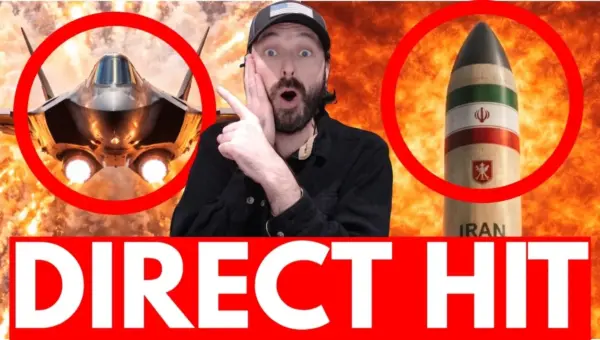
Iran Strikes Israel: Did US Jet Evade Missile Attack?
Iran launched significant ballistic missile attacks on Israel, bypassing air defenses. Meanwhile, claims of Iran downing a US fighter jet appear to be propaganda, with evidence suggesting the jet evaded attack. US bombing operations continue, and threats of a ground invasion raise concerns about further escalation.

US Army Leadership Shakeup Signals Strategic Uncertainty
U.S. Army Chief of Staff General Randy George has been asked to immediately step down by Secretary of the Army Pete Hegseth, citing a loss of trust. This unexpected leadership shakeup introduces uncertainty into the Army's command structure and could have implications for global security perceptions.
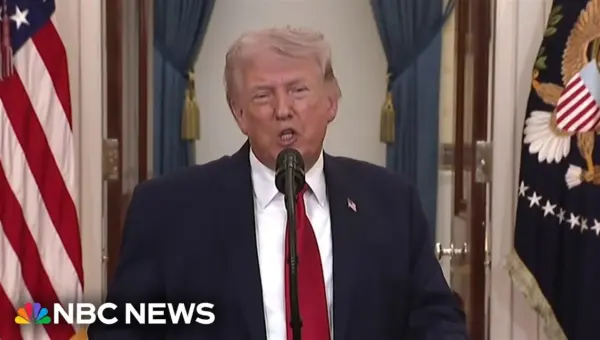
Trump Addresses War with Iran, Offers Few Details on Exit
President Trump addressed the nation regarding the ongoing war with Iran, offering praise for U.S. military actions but providing few concrete details on an exit strategy. He reiterated threats against Iran's civilian infrastructure and placed responsibility for securing the Strait of Hormuz on allied nations, while market indicators show continued oil price volatility.