Trump Shifts Iran War Burden to Allies
President Trump has declared the Iran conflict could end soon, shifting responsibility for securing the Strait of Hormuz to European allies. The blockade continues to drive up global gas prices and threatens supply chains, while concerns grow over Iran's nuclear program and potential terrorist threats entering the U.S.


Trump Shifts Iran War Burden to Allies
President Trump announced a new timeline for the conflict with Iran, suggesting the war could end in two to three weeks. He stated that Iran doesn’t even need to make a deal for this to happen. This comes as the war reaches its one-month mark. The United States has gained significant air superiority over Iran. However, the war is impacting Americans, especially at the gas pump. Average gas prices have now surpassed $4 a gallon, the highest in nearly four years. This could continue to rise if Iran keeps the Strait of Hormuz closed.
Strait of Hormuz Blockade Hits Global Oil Flow
The Strait of Hormuz is a vital passage for global oil. Iran closed it after attacks by the U.S. and Israel. They are now charging high tolls for the few tankers allowed to pass. This blockade is causing worldwide price increases and even jet fuel shortages, particularly affecting European allies. President Trump suggested this is not America’s problem. He urged struggling countries to handle the situation themselves, stating the U.S. cannot help anymore.
Pentagon Acknowledges Shifting Responsibilities
Pentagon Secretary Pete Hagerty echoed Trump’s message. He noted that the U.S. uses the strait less than most other countries. He believes the world should step up to ensure the waterway remains open. Hagerty mentioned that President Trump has already done significant work to address the threat from Iran. He stressed that it’s no longer just a U.S. issue going forward.
U.S. and Israel Achieve Air Dominance
Meanwhile, the U.S. and Israel have achieved complete air dominance over Iran in the past month. This has allowed the U.S. to begin flying B-52 missions over land. These bombers can carry a large amount of weapons. The Pentagon only uses them when U.S. forces control the skies. Even so, Iran may still try to shoot them down.
Iran Turns to Asymmetric Warfare
Since Iran cannot match the U.S. militarily, it is resorting to asymmetric warfare. This involves targeting soft spots like American companies, civilians, and journalists. Iran’s Revolutionary Guard has threatened to target at least 18 major U.S. companies in the Middle East. President Trump, however, dismissed these threats, questioning Iran’s remaining capabilities.
Threats Extend to U.S. Citizens and Businesses
Despite Trump’s confidence, the U.S. State Department has warned Americans in Saudi Arabia to stay indoors. There are threats against hotels, schools, and U.S. businesses there. In Iraq, an urgent search is underway for an American journalist kidnapped in Baghdad. Reports suggest Iran-backed militias are responsible. The journalist, Shelley Kayson, had been warned multiple times about threats but believed they were false.
Expert Analysis on U.S. Strategy and Responsibility
Retired Army Brigadier General Mark Kimmitt and Retired Vice Admiral Robert Harward discussed the situation. Kimmitt drew a parallel to the 1980s when the U.S. escorted tankers through the Strait of Hormuz. He noted that the U.S. doesn’t rely on the strait for oil as much as Europe and China do. Therefore, he suggested that European and Chinese forces could escort their own ships.
“The United States is often accused of being the world’s policeman. And at this time, I think many of those countries that accused us of it are now asking us to in fact be the world’s policeman.”
General Mark Kimmitt
Admiral Harward emphasized that once Iran’s military power is neutralized, it cannot project force or defend itself. This would make escorting ships easier and allow for long-term solutions regarding nuclear materials. He believes the focus should be on ensuring the global economy functions smoothly with the free flow of oil.
Concerns Over Iran’s Nuclear Program Remain
General Kimmitt expressed concern about leaving Iran with nuclear material. He compared Iran to a resistance movement that can claim victory by simply not losing. Kimmitt argued that the U.S. must address Iran’s nuclear program militarily and diplomatically before it’s too late. Admiral Harward countered that the policy was to remove Iran’s ability to project power, and dealing with nuclear materials can be handled later, especially once Iran is less capable.
Terrorist Threats and Border Security Concerns
The report also touched on concerns about terrorists entering the United States. Officials warn that individuals from countries like Iran and Syria may have used Venezuelan passports to bypass border security. This system is reportedly exploited by those with ties to groups like Hezbollah and Hamas. Experts believe that detecting individuals with fraudulent passports is difficult, and those who evade border agents are not vetted at all.
Economic Impact: Gas Prices and Inflation
The economic consequences of the conflict are significant. Gas prices have hit a psychological barrier at $4 a gallon, impacting families’ budgets. The high cost of energy also affects other goods, from food to electronics. Economists predict a delay before these increased costs are fully reflected in other prices, suggesting grocery bills could rise further. The Organization for Economic Cooperation and Development forecasts inflation rates to double the Federal Reserve’s target.
Global Supply Chain Disruptions Extend Beyond Oil
The disruption in the Strait of Hormuz affects more than just oil. Critical materials like helium, aluminum, and fertilizer also pass through this route. A third of the world’s fertilizer supply comes through the Strait. Helium is essential for semiconductor chip production, impacting everything from smartphones to medical equipment. Experts acknowledge these potential disruptions have been war-gamed for years, but the duration and impact may have been misjudged.
Future Scenarios: Stagflation and Recession
Analysts warn that the conflict could lead to stagflation, a situation with rising prices and slow economic growth. This could eventually result in a recession. Historical parallels are drawn to the 1973 OPEC embargo and the first Gulf War, which caused significant economic slowdowns and stock market drops. While the U.S. is less reliant on oil than in the past, these events could still repeat.
Tiger Woods Steps Away for Treatment
In unrelated news, golf legend Tiger Woods announced he is stepping away from the sport to seek treatment. This comes after his recent DUI arrest. Woods pleaded not guilty to charges following a rollover car crash. Deputies found prescription painkillers in his possession. Woods cited his history of back and leg surgeries and constant pain as contributing factors.
New Details Emerge in Charlie Kirk Murder Case
The report also covered new developments in the murder case of conservative activist Charlie Kirk. Defense attorneys for the accused, Tyler Robinson, are questioning the ballistics evidence. A report from the Bureau of Alcohol, Tobacco, Firearms and Explosives (ATF) could not conclusively link a bullet fragment from Kirk’s autopsy to the rifle found near the scene. The FBI is conducting its own analysis. Prosecutors intend to seek the death penalty.
Source: Charlie Kirk killing reexamined; Tiger Woods steps away from golf | Vargas Reports Full Episode 3/31 (YouTube)

Related Articles
Trump Weighs War Exit Amid Iran Strikes and Internal Debate
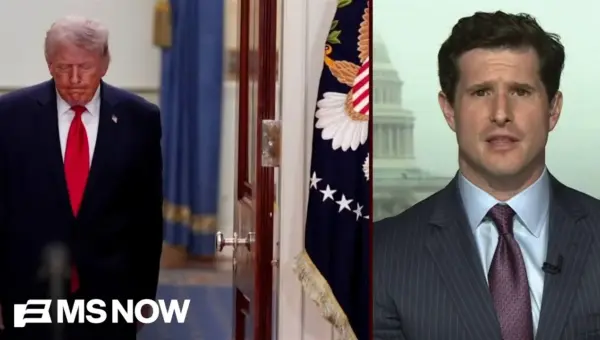
President Trump is reportedly facing internal debate over how to end the escalating conflict with Iran, according to a new Time Magazine report. While publicly vowing to increase strikes, privately Trump seeks an "off-ramp" to declare victory and avoid domestic backlash, even as advisors express surprise at Iran's retaliatory attacks.
US Pilot Feared Lost in Iran; Search Underway
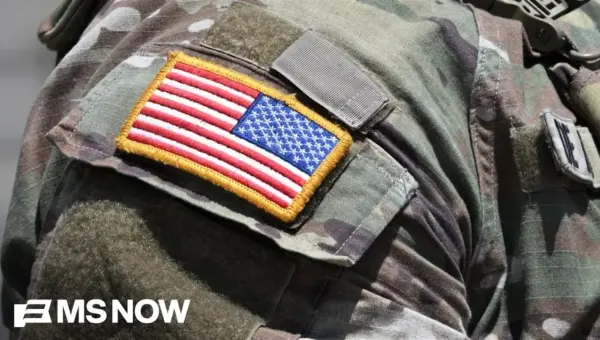
The U.S. military is conducting a search operation inside Iran for an American pilot whose fighter jet may have been downed. Details are limited, with uncertainty over whether the plane was shot down or suffered mechanical failure. The operation highlights the complexities of rescue missions in hostile territory and occurs amid heightened regional tensions.

US Policy Shift Stuns Allies, Weakens Global Security
US policy shifts regarding Ukraine, the Strait of Hormuz, and NATO are raising concerns among allies and creating global instability. Critics point to a lack of strategic planning and diplomatic consultation, potentially emboldening adversaries and undermining international security.