US Demands Allies Fund Their Own Defense Amidst Global Tensions
President Trump is calling on European allies to fund their own defense and secure oil routes, signaling a shift in U.S. foreign policy. The administration is also prioritizing American agriculture as a national security issue and addressing domestic challenges like addiction and urban crime.

US Shifts Burden to Allies as Global Crises Mount
The United States is signaling a significant change in how it approaches international security. President Trump is urging European allies to take more financial responsibility for their own defense, particularly in securing vital oil routes. This comes as the U.S. faces multiple global challenges, from Iran’s nuclear ambitions to growing concerns about China’s influence.
Operation Epic Fury and Iran’s Nuclear Threat
President Trump has spoken about a military operation, referred to as Operation Epic Fury, aimed at preventing Iran from acquiring nuclear weapons. He stated that the U.S. is completing this mission within weeks, emphasizing the need to neutralize Iran’s nuclear capabilities. This operation is seen as a direct response to Iran’s perceived threat to regional stability and global security.
San Francisco’s Decline: A Warning for America’s Cities
The discussion also highlighted serious issues plaguing American cities, with a focus on San Francisco. Bill O’Reilly’s special, “The Decline and Fall of San Francisco,” detailed problems like widespread drug abuse, homelessness, and violent crime. The program suggested that certain city policies may be unintentionally enabling these issues, creating an environment where crime and addiction flourish. This situation is presented as a cautionary tale for other cities across the nation.
European Allies and NATO’s Role
President Trump’s frustration with European allies, particularly regarding their perceived lack of support in securing oil transport, was a key point. The United States believes allies who benefit from open shipping lanes, like the Strait of Hormuz, should contribute more to their defense. The interview suggested that the NATO alliance is strained, with some members not providing the expected support. Spain was specifically mentioned for denying landing rights to U.S. air power, which the U.S. views as an act of spite driven by socialist policies and a failure to meet financial obligations.
Greenland, Denmark, and Arctic Security
The conversation touched upon the strategic importance of Greenland. While the U.S. had previously shown interest in potentially taking charge of Greenland, this idea seems to have receded. The reasoning is that the U.S. can still access Danish territory, as Denmark is dependent on the U.S. for its defense and is unlikely to object to U.S. military use.
China’s Growing Influence and Economic Ties
China emerged as a significant player in the global economic and geopolitical scene. The interview noted that China relies heavily on oil from the Persian Gulf, receiving about 80% of its supply from the region. Disruptions to this supply could severely impact China’s economy. The U.S. strategy may involve using economic pressure, including potential oil sanctions, to influence Iran’s behavior and encourage a deal. The upcoming visit of President Trump to Beijing in April was also highlighted as a critical diplomatic event.
The Fight Against Addiction in America
Beyond international affairs, the discussion addressed the pervasive issue of drug addiction in the U.S. Tiger Woods’s recent DUI arrest and subsequent admission to drug addiction brought this topic to the forefront. The interview advocated for mandatory therapeutic treatment for drug addicts, suggesting that current approaches, particularly in cities like San Francisco, are not effective and are costly. The idea is that forcing addicts into treatment, using medications that block opiate addiction, is a more compassionate and effective solution than allowing them to remain on the streets.
Journalists in Hostile Territories and Hostage Situations
The program also covered the dangerous work of journalists in conflict zones, highlighted by the kidnapping of American journalist Shelley Kaison in Baghdad, Iraq. Officials believe an Iran-backed militia was responsible. The interview featured insights from journalists who have experienced captivity, emphasizing the risks involved in reporting from hostile areas. They stressed the importance of official support, like that from the Trump administration, in securing the release of hostages. Organizations like Global Reach were recommended to help families navigate these difficult situations.
American Agriculture and National Security
A significant portion of the discussion focused on the state of American agriculture under President Trump’s administration. Secretary of Agriculture Brooke Rollins emphasized that supporting farmers and ranchers is a national security issue. The administration is working to bring food production back to the U.S. and prevent foreign adversaries, particularly China, from buying American farmland. China’s ownership of U.S. farmland has grown significantly, with much of it located near military bases, raising national security concerns. States are taking aggressive action to block such purchases, and federal legislation is also being pursued.
The AI Race and Preserving Family Farms
The need to lead in the Artificial Intelligence (AI) race, including data center development, was presented as crucial for national security. However, this must be balanced with the preservation of American family farms and their way of life. The administration aims to ensure that technological advancement does not come at the expense of the agricultural sector and the nation’s food supply.
Global Impact
This multifaceted discussion reveals a U.S. foreign policy increasingly focused on burden-sharing with allies and prioritizing national interests, particularly in areas of energy security and technological leadership. The administration’s stance on Iran, its critique of European defense spending, and its concerns about Chinese land acquisition underscore a desire to reshape international dynamics. Domestically, the focus on crime, addiction, and the support of American agriculture points to an agenda aimed at addressing perceived societal decay and strengthening national resilience. The kidnapping of a journalist in Iraq further highlights the complex and dangerous geopolitical environment the U.S. is navigating, emphasizing the role of decisive action and strong alliances, even as the definition of those alliances is being re-evaluated.
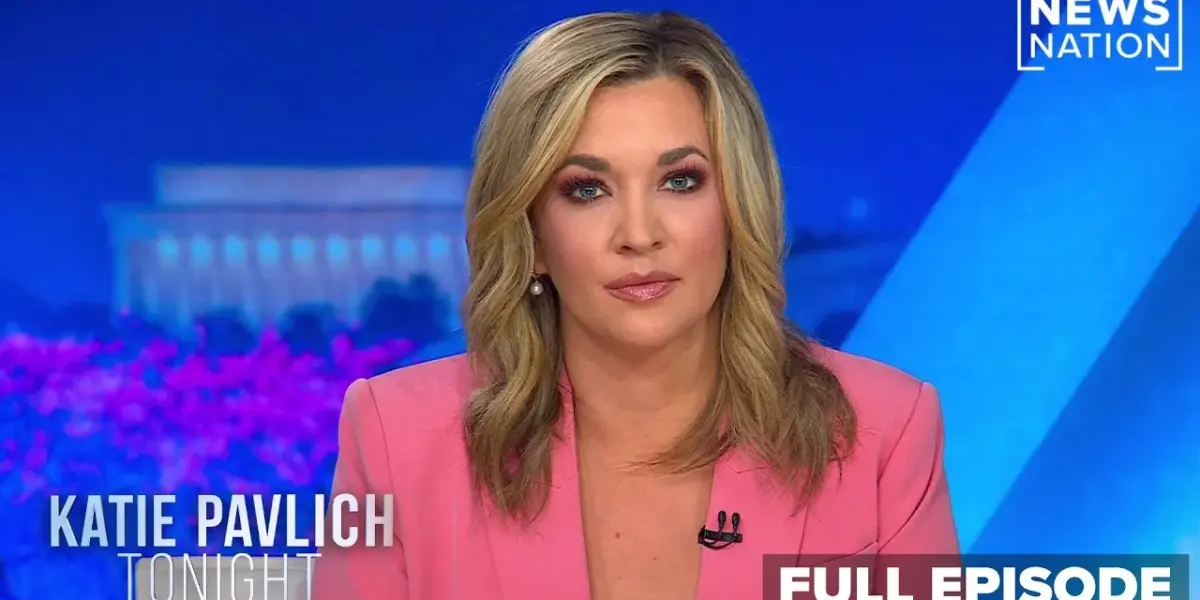
Source: Tiger Woods pleads not guilty; Mamdani’s first 100 days | Katie Pavlich Tonight Full Show 3/31 (YouTube)

Related Articles
US Pilot Feared Lost in Iran; Search Underway
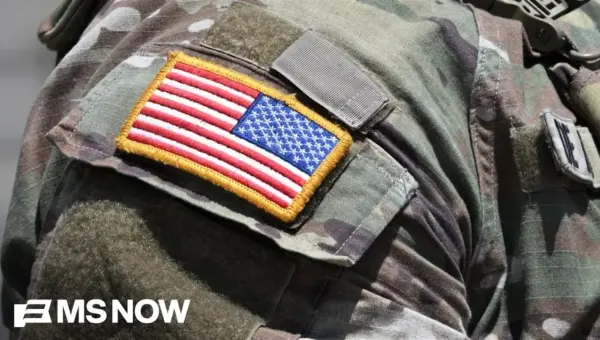
The U.S. military is conducting a search operation inside Iran for an American pilot whose fighter jet may have been downed. Details are limited, with uncertainty over whether the plane was shot down or suffered mechanical failure. The operation highlights the complexities of rescue missions in hostile territory and occurs amid heightened regional tensions.
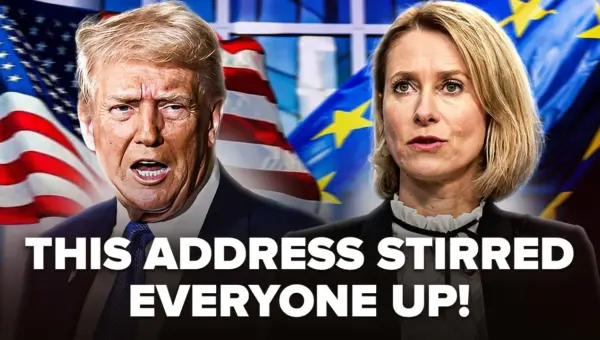
US Policy Shift Stuns Allies, Weakens Global Security
US policy shifts regarding Ukraine, the Strait of Hormuz, and NATO are raising concerns among allies and creating global instability. Critics point to a lack of strategic planning and diplomatic consultation, potentially emboldening adversaries and undermining international security.
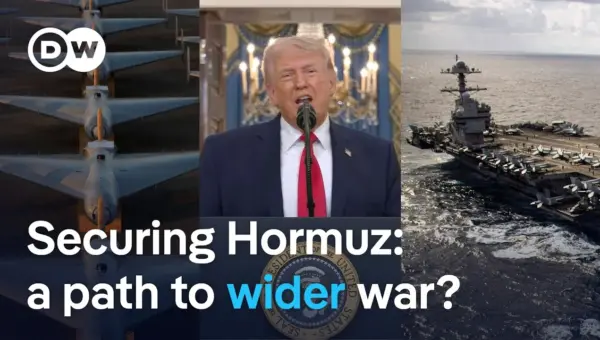
Strait of Hormuz Tensions Risk Wider Middle East War
Efforts to secure the vital Strait of Hormuz risk triggering a wider Middle East war, according to UN warnings and security analysts. The narrow waterway is crucial for global trade, and forcing it open against Iran's objections could escalate regional tensions dramatically. Experts highlight the complex geography, Iran's remaining military capabilities, and the involvement of regional players as key factors in the volatile situation.