Trump’s Approval Plummets Amid Economic Woes and War Concerns
President Trump's approval rating has fallen to a new low of 35 percent amid widespread public dissatisfaction with his handling of the economy. A recent CNN-SSRS poll reveals that nearly 80 percent of Americans view current economic conditions as poor, with many reporting financial hardship and altered spending habits. The president's response to rising gas prices and his strategy in an ongoing conflict are also drawing criticism.

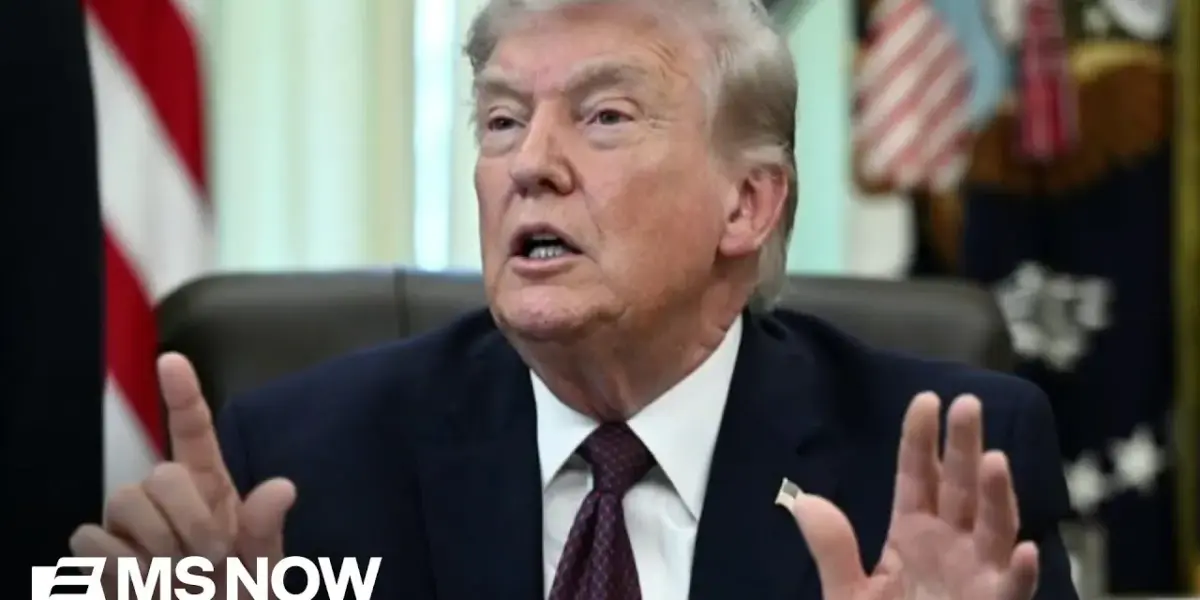
Trump’s Approval Rating Hits New Low
President Trump’s approval rating has fallen to a new low for his second term, with only 35 percent of Americans approving of his performance, according to a recent CNN-SSRS poll. This marks a significant drop, as 64 percent of those surveyed disapprove of his job as president.
Economy Sparks Widespread Discontent
The poll reveals deep dissatisfaction with the president’s handling of the economy. Just 31 percent of Americans approve of his economic policies, with even fewer, 27 percent, approving of his approach to inflation and a mere 24 percent agreeing with his management of gas prices. These figures paint a stark picture of public sentiment regarding the nation’s financial health.
Economic Hardship Affects Daily Lives
Nearly 80 percent of those polled described the current economic conditions in the country as poor. Looking ahead, roughly six in 10 people expect these economic struggles to continue for at least another year. Furthermore, a similar number believe that President Trump’s policies have worsened the economic situation.
The rising cost of fuel has created significant financial strain for many. More than 60 percent of survey respondents reported experiencing severe or moderate financial hardship due to high prices. This economic pressure is forcing many Americans to alter their daily routines, with a majority changing their grocery shopping habits, cutting back on overall spending, and limiting their driving.
President’s Response to Economic Pain Questioned
Despite the widespread economic hardship, President Trump has appeared dismissive of the surge in gas prices, which have exceeded $4 a gallon. He recently suggested these increases are temporary, predicting they will fall once a certain conflict concludes in about two weeks. However, critics question whether he truly grasms the political and economic consequences, as well as the suffering experienced by Americans.
“I suspect as the economic pain continues, that two to three weeks, at some point in the future will actually be two to two or three weeks.”
Global Markets and Political Strategy
Experts point out the interconnected nature of global markets, particularly the energy sector. They argue that the president’s assertion that domestic oil production insulates the U.S. from global price fluctuations is flawed. When key shipping routes like the Strait of Hormuz are threatened, oil prices rise worldwide, regardless of a nation’s internal supply. This global reality complicates the president’s political strategy.
A Speech Lacking New Direction
The president’s recent primetime address on the conflict was met with criticism for its lack of new policy proposals. Many observers felt the speech offered little beyond previously stated positions on the ongoing situation. This absence of a clear, new direction has led some to question the political effectiveness of the address, especially given the president’s declining approval ratings.
“Donald Trump threatens to escalate the war while telling us he’s getting out soon at the same time.”
This contradiction highlights the confusion surrounding the administration’s strategy. Political analysts suggest that such messaging may not be enough to improve the president’s current political standing, which is described as a “political freefall.” The poll numbers are consistent with a week of similar findings across various surveys.
A Divided Base and Legacy Concerns
The president’s approach to foreign policy, particularly his shift from a previously stated anti-war stance, appears to be alienating parts of his base. Some long-time supporters and conservative media figures are expressing doubts about his leadership and decision-making. This is occurring as the 2028 presidential election cycle begins to take shape, with potential challengers emerging.
There is a growing sense that President Trump is increasingly detached from his core supporters and the everyday concerns of the party base. Some speculate that his focus has shifted towards securing his legacy, potentially involving foreign policy achievements in regions like Venezuela, Iran, and Cuba, alongside personal monuments. This focus on legacy, some suggest, may explain his willingness to endure the current economic pain.
Future Challenges and Uncertain Paths
The administration faces a critical decision regarding the ongoing conflict. A hasty withdrawal could leave key strategic passages vulnerable, impacting the global economy. Conversely, escalating military action, such as sending in ground troops, carries significant risks, both for American soldiers and politically at home, given public opposition to prolonged military engagement.
The core issues of nuclear proliferation and control of the Strait of Hormuz remain unresolved. It is unclear if a purely military solution exists for the nuclear threat. The path forward may involve difficult negotiations, acknowledging the complexities and potential for awkward compromises. The question of how to ensure the open passage of the Strait of Hormuz also lacks a clear, universally accepted answer.
The president’s address, delivered on the first night of Passover, offered no new policy direction on these critical issues. This lack of clarity has led to further questions about the administration’s strategy and its effectiveness in addressing the challenges at hand. Despite stating a desire not to “kick the can down the road,” critics argue that the president’s recent actions have done just that.
Source: Trump's approval rating hits new second-term low, polling shows (YouTube)

Related Articles
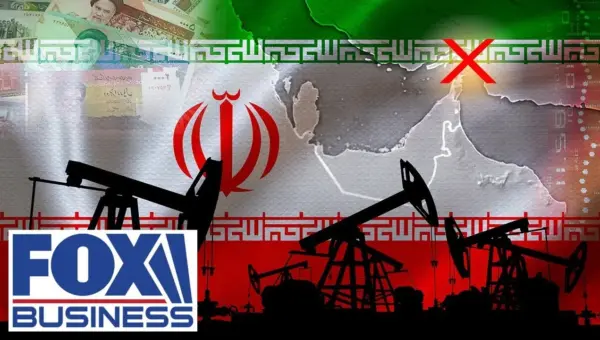
NY Fed Warns Oil Shock May Boost Inflation, Slow Economy
New York Fed President John Williams warned that rising oil prices, fueled by the Iran conflict, could increase inflation and slow economic growth. While jobless claims fell, the Fed is watching for broader economic impacts and maintaining its 2% inflation target.
Trump Declares Iran No Longer a Mideast Bully
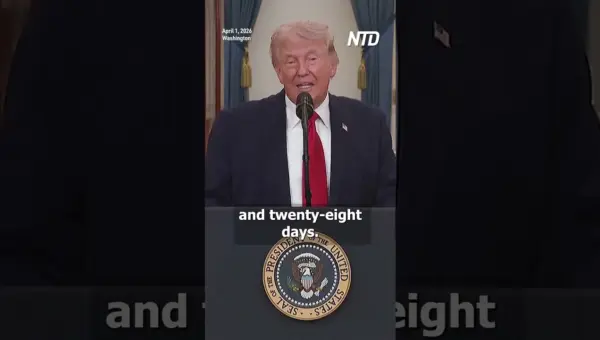
Former President Donald Trump asserted that Iran is no longer a threat to the Middle East following a recent 32-day military operation. He compared this swift action to longer historical U.S. military engagements, claiming Iran has been "eviscerated." This statement offers insight into a potential foreign policy approach favoring decisive military strikes.

Trump’s Iran Gamble: A Venezuelan Fantasy?
Donald Trump's praise for U.S. actions in Venezuela as a model for Iran may reveal a naive oversimplification of foreign policy. Detailed military and economic planning, crucial for success, seemed to be sidelined in favor of an optimistic, yet potentially flawed, approach.