Iran War Threatens India’s Economy: Oil, Trade at Risk
India's economy faces significant risks due to the Iran conflict, threatening oil supplies, key trade routes, and vital remittances from Gulf workers. Experts warn of major GDP and remittance drops if the war continues, potentially destabilizing the nation's finances.

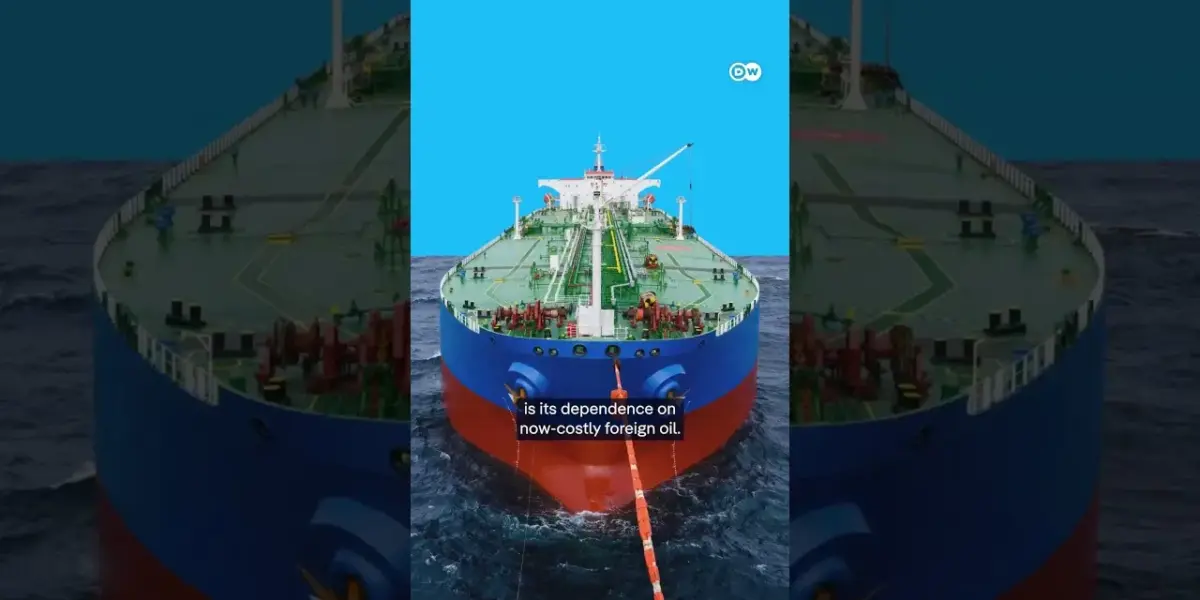
India Faces Economic Shockwave from Iran Conflict
India’s booming economy is facing a serious threat from the escalating conflict in Iran. Years of strong growth could stall as disruptions to oil supplies, trade routes, and vital money transfers from the Gulf put the nation’s finances under pressure. The war’s impact extends beyond just oil prices, affecting key export markets and the flow of remittances that support millions of Indian families.
Oil Imports and Shipping Routes Disrupted
A major concern for India is its heavy reliance on imported oil. The country buys nearly all of its crude oil from foreign sources, with a significant 55% coming from the Middle East. Much of this oil must travel through the Strait of Hormuz, a critical shipping lane that is now effectively shut down due to the conflict. This disruption means less oil is reaching India, leading to higher prices and potential shortages.
Economists warn that India cannot easily absorb a sharp rise in oil prices. The situation is made more complex by the fact that India imports almost all the oil it consumes. This dependence makes the nation particularly vulnerable to global price spikes and supply chain issues.
Trade Routes Through Dubai Imperiled
The war in Iran also poses a significant risk to India’s export trade. The Gulf region serves as a vital market for Indian goods, and many Indian companies depend on Dubai as a central hub for distributing their products worldwide. The current disruptions to flights and shipping are directly jeopardizing this crucial trade flow.
The closure or disruption of these trade routes means that Indian businesses face increased costs and delays in getting their products to international customers. This could lead to lost sales and damage the reputation of Indian exporters in the global market.
Remittances: A Lifeline Under Threat
India receives more money sent home by citizens working abroad, known as remittances, than any other country in the world. Approximately 40% of these vital funds come from Indians working in the Gulf region. These remittances are a cornerstone of the Indian economy, not only supporting the daily lives of an estimated 40 to 50 million people in India but also providing a crucial source of foreign currency.
This influx of foreign cash helps ease India’s trade deficit, which is the difference between the value of its imports and exports. If these remittances were to dry up, it would put significant pressure on India’s balance of payments, meaning the country would have less foreign money available to pay for its imports and manage its international debts.
Expert Warnings on Long-Term Impact
While most migrant workers in the Gulf appear to be staying put despite the dangers, experts are sounding alarms about the potential long-term consequences. If the conflict in Iran drags on for more than three months and causes severe damage to the region’s energy infrastructure, the economic outlook could darken considerably.
In such a scenario, experts predict that the Gulf’s Gross Domestic Product (GDP) could fall by 10% to 15%. More critically for India, remittances could drop by around 30%. This would represent a substantial blow to the millions of families who rely on this income and to India’s overall foreign exchange reserves.
Government Relief and Currency Woes
There are some glimmers of hope. The Trump administration’s decision to waive sanctions on Iranian oil already at sea could provide some relief. This move has the potential to increase global oil supply and help lower prices. India took advantage of a temporary lifting of sanctions, purchasing 5 million barrels of crude oil from Iran, its first such purchase since 2019.
However, the overall financial picture remains grim. The Indian rupee has fallen to a record low against the US dollar. This decline is attributed to the combined pressures of expensive oil imports and the looming threat to remittance payments, both of which are draining the country’s finances.
Looking Ahead: What’s Next for India’s Economy?
The coming weeks and months will be critical for India’s economic stability. The duration and intensity of the conflict in Iran will largely determine the severity of the impact on oil prices and trade routes. Furthermore, the stability of the Gulf region and the continued flow of remittances will be closely watched. India’s ability to diversify its energy sources and strengthen its domestic economy will be key to weathering this storm.
Source: India hit by oil crisis | DW News (YouTube)

Related Articles

Trump Weighs War Exit Amid Iran Strikes and Internal Debate
President Trump is reportedly facing internal debate over how to end the escalating conflict with Iran, according to a new Time Magazine report. While publicly vowing to increase strikes, privately Trump seeks an "off-ramp" to declare victory and avoid domestic backlash, even as advisors express surprise at Iran's retaliatory attacks.


Hegseth Fires Army Chief Amid War, Sparks Uproar
Defense Secretary Pete Hegseth has abruptly fired Army Chief of Staff General Randy George amid the ongoing war in Iran, sparking widespread concern and questions on Capitol Hill. Critics allege the move is part of a pattern of political purges, weakening experienced leadership. With General George out and a new acting chief expected, the focus is on the stability and direction of the Army's command during a critical period.

Trump Declares Iran War Nearing End, NATO Future Uncertain
President Trump declared the US military operation in Iran nearing completion, projecting a swift end to intensified bombing within weeks. However, Iran disputes this, stating the war is far from over. Meanwhile, the future of NATO hangs in the balance as Trump considers US withdrawal, sparking debate on the alliance's relevance and legal hurdles for exit.