Trump’s Mideast Crisis: Can He Escape Blame?
Donald Trump's ability to avoid responsibility faces a major test amid the ongoing Middle East conflict. Younger voters, unlike their elders, are increasingly questioning support for Israel, potentially weakening Trump's electoral position.

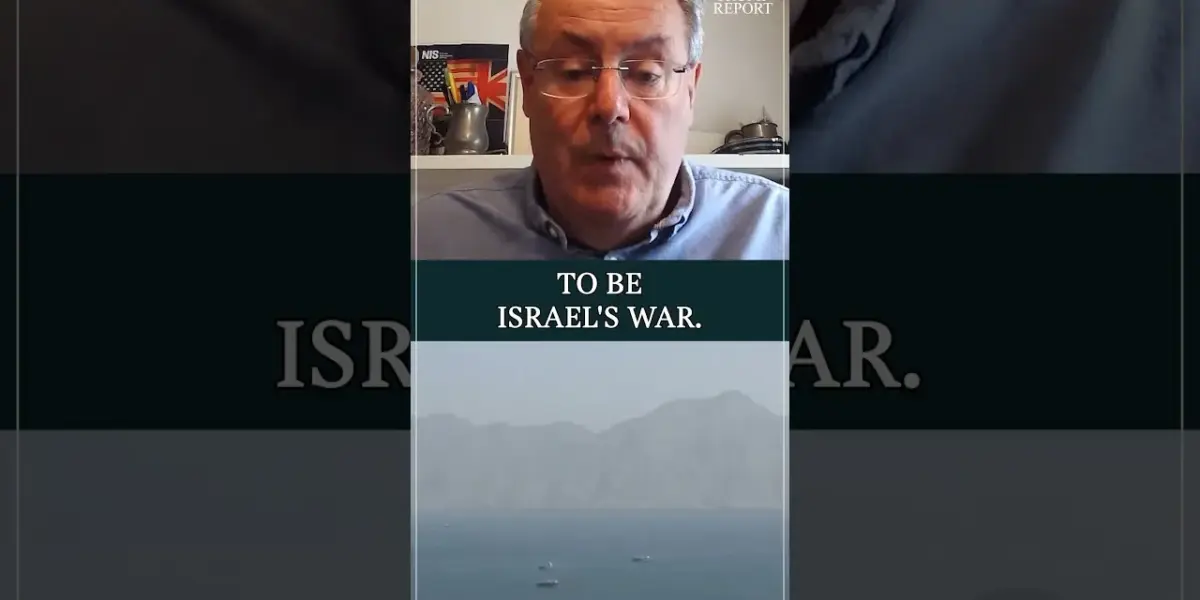
Trump’s Mideast Crisis: Can He Escape Blame?
Donald Trump has a long history of dodging responsibility. He’s proven that time and again throughout his life. Now, a major conflict in the Middle East could make that even harder for him. Some experts believe this situation looks particularly bad for Trump’s political future.
Israel’s War, America’s Dilemma
The current conflict is widely seen as Israel’s war. This perception is key. It puts Trump in a tricky spot, especially with younger Americans. Unlike older generations, many young people today do not automatically support Israel’s actions. This shift in public opinion matters a lot.
Trump’s political base has often been strongly pro-Israel. However, the younger voters he needs to win elections are not always on the same page. This generational divide creates a challenge for his political message. He needs to connect with a diverse group of voters, and this conflict complicates that effort.
Election Concerns Loom
Looking ahead, some analysts predict a tough time for Trump in future elections, even if they are allowed to happen. The idea is that he might face significant defeat. This prediction is based on how the current events are unfolding and how they are perceived by the public.
There’s also a concern that Trump might take extreme measures to avoid another election loss. This suggests a level of desperation. It implies that he could explore unconventional or even drastic actions to stay in power or influence outcomes. This adds another layer of uncertainty to the political outlook.
Historical Context: Shifting Alliances
Understanding this situation requires looking back. For decades, American foreign policy has often strongly backed Israel. This has been a consistent theme across different presidents and political parties. This support was seen as a cornerstone of U.S. Middle Eastern policy.
However, public sentiment, particularly among younger demographics, has begun to change. Increased access to information and evolving global perspectives play a role. Young Americans are more likely to question traditional foreign policy stances. They are more critical of conflicts and their human impact. This makes the old playbook less effective for politicians relying on broad support.
Why This Matters
This situation is important because it highlights a growing disconnect. It shows a potential gap between the established political narratives and the views of a significant portion of the electorate. Trump, who often thrives on a strong, loyal base, could find that base increasingly divided or alienated by his stance on this sensitive issue.
Furthermore, the perception of Trump’s involvement, or lack thereof, in managing such a high-stakes international crisis can shape voter opinions. If he is seen as unable to handle the situation effectively, or if he is blamed for its escalation, it could significantly damage his electoral prospects. His ability to deflect blame, a skill he has honed over years, will be severely tested.
Implications and Future Outlook
The implications of this conflict for Trump’s political career are significant. If the war continues and public opinion remains unfavorable, it could weaken his standing. It might make it harder for him to rally support for his campaigns.
The trend of younger voters diverging from older generations on foreign policy issues is likely to continue. This means that any politician seeking to win national elections will need to adapt. They will need to find ways to appeal to a broader range of views, not just those of their traditional base. Trump’s MAGA movement, which has relied on a strong, unified message, may face challenges in adapting to these evolving voter sentiments.
The future outlook suggests a more complex political environment for Trump. He faces the challenge of navigating a Middle Eastern conflict that is not universally supported by his potential voters. His attempts to avoid blame might become increasingly difficult as the situation develops. The election landscape could be reshaped by how this crisis plays out and how he responds to it.
Source: Will the Iran war be the end of MAGA? | Prof. Dan Plesch (YouTube)

Related Articles

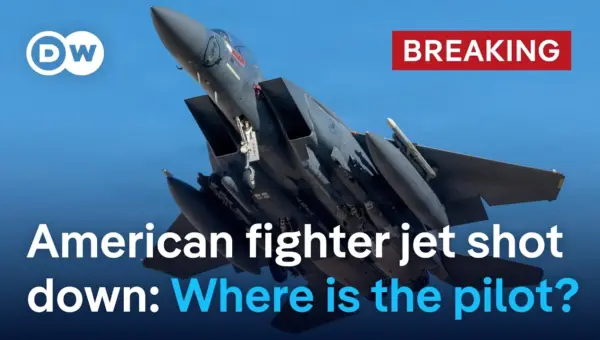
US Jet Downed in Iran: Crew Fate Unknown, War Unpopular
An American F-15 fighter jet has been shot down over Iran, with U.S. officials confirming the loss but offering few details on the crew's fate. The incident occurs amid widespread public opposition to the war and raises questions about Iran's air defense capabilities.

Trump Weighs War Exit Amid Iran Strikes and Internal Debate
President Trump is reportedly facing internal debate over how to end the escalating conflict with Iran, according to a new Time Magazine report. While publicly vowing to increase strikes, privately Trump seeks an "off-ramp" to declare victory and avoid domestic backlash, even as advisors express surprise at Iran's retaliatory attacks.

Trump Ousts AG Bondi, Eyes Zeldin as Successor
Pam Bondi is out as Attorney General after one year, with Deputy AG Todd Blanche serving as Acting AG. President Trump confirmed the departure, praising Bondi and hinting at a new private sector role. Lee Zeldin is reportedly being considered as Bondi's permanent replacement, amid ongoing speculation about other cabinet changes.