MAGA Hosts Confronted: AI, Hate Speech, and Democracy’s Fragile State
A recent TV exchange exposed deep divisions over political rhetoric, AI's role in spreading fear, and the crucial need to condemn hate speech. The discussion highlighted how divisive tactics and manipulated media challenge democratic norms, raising concerns for the future of public discourse.

MAGA Hosts Confronted: AI, Hate Speech, and Democracy’s Fragile State
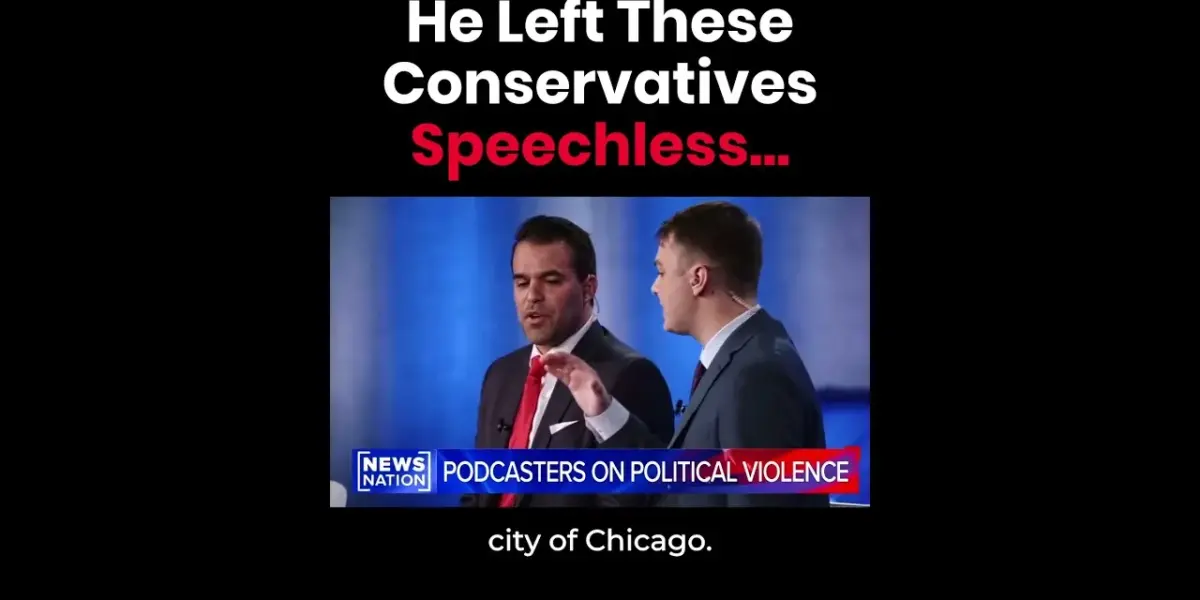
A recent television appearance brought a stark confrontation between political commentators, highlighting deep divisions over rhetoric, the use of AI, and the very foundations of democracy. The exchange, sparked by a discussion on former President Donald Trump’s political tactics, revealed a significant tension between those who see his actions as normal political discourse and those who view them as dangerous threats.
The Power of Rhetoric: From Birtherism to ‘Lock Her Up’
One commentator forcefully argued that Trump’s political career began with deeply divisive tactics. His initial claim to fame in US politics, it was argued, was promoting the false idea that President Obama was not born in America. This birther conspiracy theory, widely debunked, served as his entry point into the national political stage. The commentator also pointed to Trump’s unprecedented use of chants like ‘lock her up’ directed at his political opponents during rallies.
This rhetoric, the argument continued, has a tangible impact. The commentator, living in Chicago, described how Trump has used AI-generated content to depict negative scenarios involving the city. This included an AI video showing Obama being arrested and an AI image of Chicago being invaded. Following these digital provocations, the National Guard was reportedly sent to Chicago. These actions were presented as examples of how Trump’s communication style can incite fear and create real-world consequences.
AI, Hate Speech, and the Test of Condemnation
The conversation then took a sharp turn when discussing disturbing online content. The existence of Nazi group chats was brought up, prompting a direct question: would the hosts condemn them? The initial response was hesitant, with one host stating, “Well, we can talk about it.” This ambiguity was challenged, with the questioner pressing for a clear condemnation, especially when terms like ‘gas chambers’ were mentioned within these groups.
The interviewer directly compared the situation to that of Senator JD Vance, suggesting a pattern of unwillingness to condemn extremist views. The exchange highlighted a critical point: the ability, or inability, of public figures to unequivocally denounce hateful ideologies. While one host eventually stated, “Yes,” in response to a question asking if they would condemn the group chats, the initial hesitation underscored a potential divide in how such hateful content is addressed.
Why This Matters
This exchange is significant because it lays bare the stakes of modern political communication. The normalization of inflammatory rhetoric, amplified by new technologies like AI, poses a challenge to democratic norms. When political leaders use tactics that question the legitimacy of opponents or spread fear through manipulated media, it erodes public trust and can incite division. The difficulty in unequivocally condemning hate speech, even when confronted directly, raises concerns about the moral compass guiding some public discourse.
Historical Context and Future Outlook
Historically, political rhetoric has always been passionate, but the current era seems marked by an escalation in divisiveness and the use of technology to spread misinformation. The ‘birther’ conspiracy was not the first time a politician questioned an opponent’s legitimacy, but Trump’s embrace of it as a central theme was notable. Similarly, while political rallies have always had chants, the sustained focus on ‘locking up’ opponents marked a new level of personal animosity in public discourse.
The introduction of AI into this landscape adds a new, complex layer. AI can create convincing fake images and videos, making it easier to spread propaganda and disinformation. This technology blurs the lines between reality and fiction, making it harder for the public to discern truth. The future outlook suggests that these challenges will only intensify. We can expect to see more sophisticated uses of AI in political campaigns, requiring greater media literacy from the public and clearer ethical guidelines for political actors.
Implications and Trends
The trend highlighted in this discussion is the increasing polarization of political discourse, often fueled by a deliberate use of divisive language and misinformation. The hesitation to condemn hate speech, even when directly asked, suggests a potential strategy of appealing to certain segments of the electorate by not alienating them, even if it means tolerating extremist elements. This creates a difficult environment for reasoned debate and compromise.
Furthermore, the reliance on AI-generated content, as seen with the Chicago examples, indicates a shift towards using technology to create emotionally charged narratives that bypass factual verification. This can lead to a political environment where outrage and sensationalism are prioritized over substantive policy discussions. The need for platforms and public figures to take responsibility for the content they amplify, whether true or AI-generated, becomes increasingly critical.
Conclusion
The televised confrontation served as a microcosm of broader societal debates. It questioned the boundaries of acceptable political speech, the ethical use of technology in communication, and the fundamental responsibility to condemn hatred. As these issues continue to evolve, the public’s ability to critically evaluate information and demand accountability from leaders will be crucial in navigating the complex and often divisive path ahead.
Source: MAGA Hosts Get EDUCATED Live On TV (YouTube)

Related Articles

Trump’s Tactics Echo Authoritarianism, Critics Argue
Critics argue Donald Trump's calls for indictments and attacks on institutions echo authoritarian tactics, raising concerns about democratic norms. While supporters dismiss these comparisons as political attacks, the debate centers on the potential for abusing presidential power and weakening vital safeguards like an independent judiciary and free press.

Online Chat Rooms Mirror Society’s Darker Jokes
Online gaming chats often feature edgy jokes, but are they harmless humor or a sign of deeper issues? This discussion explores the line between offensive humor and genuine hate speech in digital spaces. Understanding these online dynamics is crucial as they reflect and influence societal norms.
GOP Targets Democracy: Lawsuits Flood Ahead of Midterms
Republicans are launching a widespread legal and political offensive targeting voting rights ahead of the midterms, sparking accusations of a 'full-out assault on democracy.' Experts warn these efforts, including challenges to census data and new voting restrictions, aim to disenfranchise voters and may impact all citizens.