UK Faces Global Shifts: Defense, EU Ties, and Social Decay
UK leaders discuss pressing global and domestic issues, from reassessing defense ties with the U.S. and Europe to addressing rising school truancy and juvenile delinquency. The conversation also touches on the new era of private-led space exploration and the complexities of work-life balance.

Global Realignment and Defense Concerns
Recent global events, including potential shifts in U.S. foreign policy under Donald Trump, have sparked renewed debate in the UK about its relationship with Europe and its own defense capabilities. The reliability of the U.S. as an ally is being questioned, prompting discussions about the necessity of a “Plan B” for European security, independent of American support.
Experts suggest that Europe, and by extension the UK, may need to significantly increase defense spending. Fraser Nelson, speaking on the matter, highlighted that weakness can be more provocative than strength in a dangerous world. He argued that the UK and other European nations should aim to spend 5% of their GDP on defense, a target few countries currently meet, with the exception of Eastern European nations.
“Without America, we’ve got no defense. … The armies of Europe do not have anything like an equivalent for us or for themselves. There is no plan B.”
Rethinking EU Relations Post-Brexit
While the debate around Brexit continues, some analysts believe the focus should shift from revisiting the decision itself to forging stronger, practical relationships with European neighbors and like-minded middle powers such as Australia, Canada, and Japan. Cindy Yu noted that the changing world order makes the U.S. less of a guaranteed ally, emphasizing the need for diversified international links.
The discussion also touched on the complexities of striking new trade deals with the EU. While both sides desire strong economic ties, differing views on regulations and sovereignty create significant hurdles. Yu suggested a more pragmatic approach, proposing separate conversations for specific areas like youth mobility or trade in certain sectors, rather than seeking a single, all-encompassing agreement.
However, Fraser Nelson expressed concern over proposals like increased youth mobility, arguing it could exacerbate existing unemployment problems in the UK. He pointed to the significant number of people reliant on benefits and the historical context of concerns raised during the Brexit referendum regarding free movement.
Social Fabric and Parental Responsibility
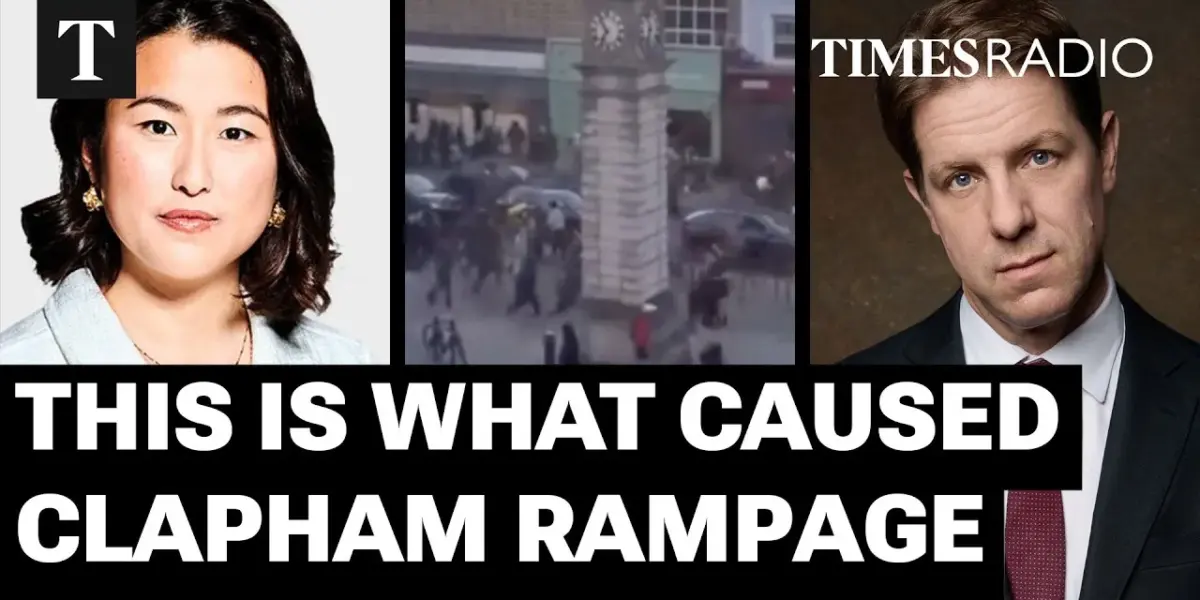
A stark contrast to international relations was drawn in the discussion about rising juvenile delinquency and truancy in the UK. Events in Clapham and South London, where groups of teenagers engaged in disruptive behavior, were analyzed as symptoms of a broader societal issue: a “total collapse of consequences,” as described by commentator Kemi. The transcript highlighted a significant increase in school absences, with around 700,000 secondary school students now regularly truanting. This figure has doubled since the pandemic.
The consensus in the past was that parents would face prosecution for failing to send their children to school. However, this practice has largely ceased, leading to a situation where school attendance is, in effect, voluntary for many. Nelson argued that this sends a message of lawlessness and a lack of accountability, contributing to the observed social problems.
“If we basically send out this message that it’s lawless, that it’s feral, that there are no expectations, that there are no obligations, then we can expect consequences to come from that.”
Yu acknowledged the role of parental upbringing but also pointed to material circumstances, such as single-parent households or long working hours, that can make it difficult for parents to manage. She suggested that the issue is complex, with multiple contributing factors beyond individual parental responsibility.
The New Space Race and Private Enterprise
The conversation shifted to the exciting developments in space exploration, particularly the Artemis 2 mission. While acknowledging the incredible technological achievement and human ambition involved, Nelson questioned the tangible benefits for society when faced with pressing issues like cancer and Parkinson’s disease. He expressed a desire for similar breakthroughs in medical science.
Yu, however, saw potential in space exploration, citing the possibility of discovering resources like water on the moon and the historical context of space races being driven by geopolitical competition. She noted that while the immediate returns on investment might be unclear, the human drive to explore and understand the universe remains a powerful motivator.
A significant aspect of the modern space race is the increasing involvement of private enterprise, with figures like Elon Musk and Jeff Bezos leading the charge. Nelson expressed more comfort with private individuals funding ambitious projects, such as colonizing Mars or developing space-based solar power, as they are doing so at a lower cost and with greater efficiency than government initiatives historically have.
Work-Life Balance in Modern Society
The discussion concluded with a look at work-life balance, prompted by an article questioning whether business leaders should always be available, even on holiday. Nelson admitted to being a dedicated journalist who finds immense satisfaction in his work, sometimes struggling to switch off. He emphasized that he prioritizes family time, making space for his children despite his demanding career.
Yu offered a more structured approach to work, advocating for efficient productivity that allows for genuine time off. She was described by Nelson as someone who effectively delineates between work and personal life, a trait he admired. The conversation highlighted that while commitment is important, a healthy balance, potentially embodied by Yu’s approach, is achievable and demonstrates strength of character.
The segment also acknowledged the unique challenges faced by self-employed individuals, who often find it difficult to disconnect from work due to the nature of their businesses.
Source: Clapham Mob Rampage: Reasons Behind Chaos Analysed | Fraser Nelson & Cindy Yu (YouTube)

Related Articles


Trump’s NATO Insults Spark Global Outrage, Allies Push Back
Former U.S. President Donald Trump's leaked private remarks, filled with insults aimed at NATO allies, have sparked international outrage and calls for European self-reliance. The comments highlight growing concerns about U.S. reliability and the potential for a long-term split in transatlantic relations. The discussion also touched upon domestic UK issues, including NHS strikes and political shifts, alongside a unique debate on marmalade regulations.
Macron Fires Back at Trump Over Wife Remarks
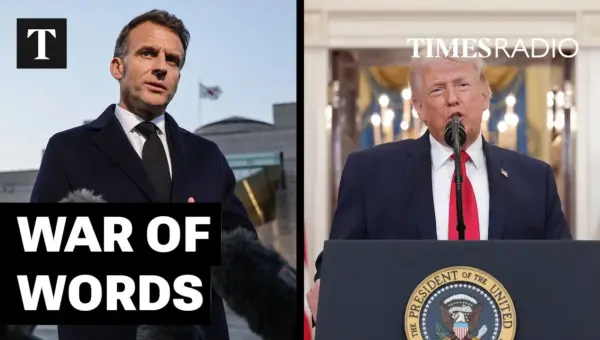
French President Emmanuel Macron publicly condemned Donald Trump's personal remarks about his wife, Brigitte Macron, calling them "neither elegant nor up to standard." The comments, made at a private event and later leaked, sparked debate on diplomatic engagement strategies. While Macron criticized Trump directly, other leaders like Italy's Giorgia Meloni have found success with private, personal diplomacy.

Iran War Escalates, Threatening Global Shipping Lanes
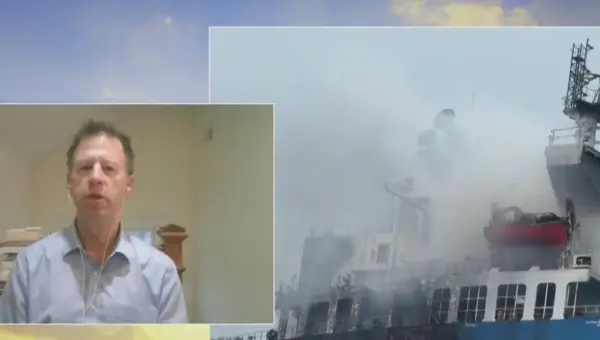
An escalating conflict involving Iran threatens to prolong fighting and disrupt global shipping through the Strait of Hormuz. Experts warn of unpredictable war dynamics and potential U.S. military actions against Iranian infrastructure, raising concerns about regional stability and economic impacts.