Russia Claims Luhansk Gain Amidst Economic Strain
Russia claims a battlefield breakthrough in Luhansk while facing significant economic strain, with its largest oil producer, Rosneft, reporting a 73% drop in net income. Ukraine is boosting its drone production and seeking joint manufacturing with European partners, signaling a growing industrial defense capability. Diplomatic efforts continue, with Ukraine proposing an Easter energy truce, which Russia met with demands for territorial concessions.

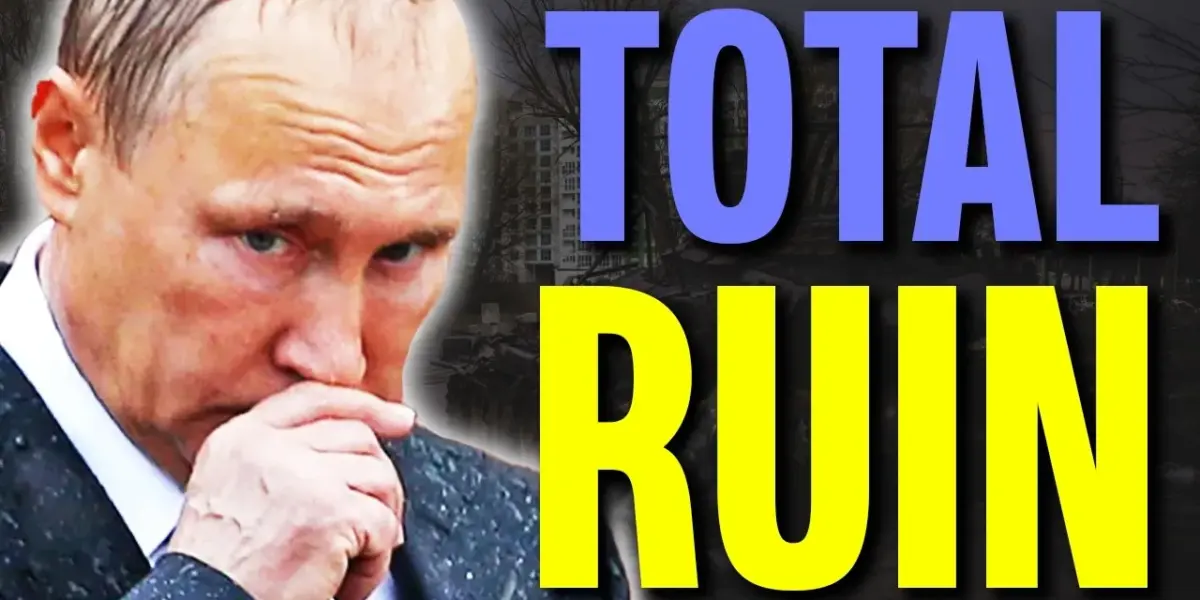
Russia Claims Luhansk Gain Amidst Economic Strain
Recent reports indicate Russia claims a significant battlefield advance in Ukraine’s Luhansk region. However, Ukrainian officials state that no major changes have occurred on the front lines. This development coincides with diplomatic efforts and growing concerns about Russia’s economic stability, particularly its oil industry.
Luhansk Claim and Strategic Optics
On April 1, Russia’s Defense Ministry announced its forces had captured the last remaining Ukrainian-held territory in Luhansk. They also claimed control over areas in Kharkiv and Zaporizhzhia regions. The report from Reuters could not independently verify these claims. A Ukrainian military spokesperson stated that there had been no battlefield changes in the Luhansk area for six months. Viktor Trehubov of Ukraine’s Joint Forces grouping confirmed that Ukrainian forces hold only small positions in Luhansk, maintained by the 3rd Brigade for a long time.
The Luhansk region, along with Donetsk, forms the Donbas. This industrial heartland has been a central objective for Russia since the war began. Russia illegally annexed these regions in September 2022 without fully controlling them. Last October, Vladimir Putin noted that Ukrainian forces still held a small percentage of Luhansk. Moscow’s claim of capturing the final pocket is seen by some as a signal in ongoing negotiations, especially as U.S. envoys are involved.
Ukrainian officials suggest that Russia exaggerates battlefield progress to convince U.S. negotiators that a Russian victory is inevitable. The Institute for the Study of War believes Ukrainian tactics are disrupting Russian advances, with recent gains being the most significant since August 2024. While Russia may be improving its local positions, this does not necessarily signal a strategic breakthrough.
Easter Truce Offer and Energy War
In parallel with battlefield claims, Ukrainian President Volodymyr Zelenskyy proposed an Easter ceasefire focused on energy infrastructure. He stated that if Russia halts attacks on Ukraine’s energy system, Ukraine would do the same. Zelenskyy planned to discuss this proposal with U.S. mediators Steve Witkoff and Jared Kushner, along with NATO Secretary-General Mark Rutte. High-level talks between the U.S., Russia, and Ukraine have already occurred, with a fourth round delayed.
This truce offer comes amid an escalating energy war. Ukraine has increased attacks on Russian energy infrastructure, particularly after rising oil prices and potential sanctions relief raised concerns about Russia’s financial gains. Ukrainian attacks on energy sites, including those near Baltic Sea ports, have reportedly halted significant portions of Russia’s oil export capacity. The Kremlin responded coolly, with Dmitry Peskov stating no clearly formulated initiative for an Easter truce had been received. He added that Russia seeks an overall peace settlement, not just a ceasefire, and suggested that delays would increase the cost of peace for Ukraine.
Russia’s Donbas Demand and Incompatible Terms
The Kremlin’s stance on the Donbas region has become clearer. Dmitry Peskov stated that Ukrainian troops should have withdrawn from Donbas “yesterday” to end the “hot phase” of the war. He argued such a decision could save lives and conclude the current phase of the conflict. This implies that, in Moscow’s view, Ukraine’s path to peace begins with territorial concessions rather than equal negotiations.
Zelenskyy, conversely, stated that Russia had informed the United States it would harden its settlement terms if Ukrainian troops did not leave Donbas within two months. Ukraine desires a diplomatic solution but insists on a ceasefire at the current front lines. This presents a fundamental disagreement: Ukraine proposes freezing the conflict at existing lines, while Russia demands a prior withdrawal and territorial surrender.
Russia’s strategy appears to involve projecting battlefield control, demanding immediate withdrawal from the Donbas, and framing any refusal as Ukraine blocking peace. This tactic aims to influence fatigued or desperate international audiences. However, Russia’s increased rhetorical pressure may also signal impatience. Zelenskyy expressed surprise at the belief that Russia could conquer the rest of Donbas in two months, with Kyiv confident it can defend its remaining industrial towns for years, especially with the widespread use of Ukrainian drones.
Belarusian Military Preparations and Geopolitical Signaling
Amidst the diplomatic stalemate and pressure on Ukraine, Belarusian President Alexander Lukashenko announced that Belarus is preparing for war. He stated that there can be no peacetime and that Belarus is readying its armed forces, despite being against conflict. Lukashenko emphasized the need for subordinates to be ready to fight to deter any aggression against Belarus.
This announcement comes at a time when Russia and Belarus have been discussing joint military exercises. Previous large-scale drills preceded Russia’s offensive against Ukraine. Russia has also delivered its Oreshnik missile system to Belarus. While Belarus has not opened a new military front, such statements serve to broaden the conflict’s geography. They compel Ukraine to divert attention and resources northward, and keep Poland and the Baltic states on alert. This creates additional planning burdens for NATO allies.
Ukraine’s Drone Industry Expansion and European Collaboration
Ukraine’s domestic drone production is rapidly advancing, forming a significant industrial ecosystem. Companies like Gurzuf Defence are developing advanced platforms. The Ayudag-6 platform, for instance, is designed for cargo and potentially casualty evacuation. The well-known Heavy Shot drones are produced in the tens of thousands annually, capable of carrying substantial munitions over considerable distances. These drones have proven effective on the front lines, with some crews completing over a thousand payloads.
This industrial growth is supported by both Ukrainian state efforts and international partners, including the Netherlands. The company’s workforce has expanded significantly in recent months. Furthermore, Ukrainian drone manufacturers are engaging with Romanian officials in Bucharest to discuss joint production under Europe’s SAFE rearmament initiative. Romania, which shares a border with Ukraine, has experienced drone breaches and debris landings on its territory. The EU is providing substantial funding to Romania for this initiative, with a focus on joint drone production.
A team is being formed to finalize contracts by the end of May, involving 15 Ukrainian companies. This collaboration signals the early stages of a regional defense-industrial model, integrating Ukrainian expertise with European funding and production capabilities.
Sanctions Enforcement Challenges and Russia’s Shadow Fleet
Despite European efforts to bolster Ukraine’s defense industry, challenges persist in enforcing sanctions against Russia. Reuters found that a significant number of sanctioned Russian vessels, part of its “shadow fleet,” have continued to pass through British waters. This occurred even after the UK threatened military detention for ships used by Moscow to export oil. Ship-tracking analysis revealed at least 25 sanctioned ships entered British waters via the Channel after the announcement, maintaining a pace similar to previous periods.
British officials had hoped the threat of boarding would deter these ships, but no visible shift occurred. Experts cite legal hurdles, operational complexity, and geopolitical risks as reasons for this gap. The potential for legal challenges and the risk of escalating tensions with Russia mean that military enforcement actions are likely to be selective. This suggests that while the threat served as a deterrent message, the government is relying partly on signaling rather than immediate, widespread physical enforcement.
The effectiveness of Western sanctions hinges on translating them into tangible friction for Russia’s export capabilities. If Russia can still route oil, absorb increased costs, and continue earning under pressure, the sanctions lose their full impact. This situation highlights the difficulty in fully isolating Russia’s economy.
Rosneft’s Declining Income and Economic Strain
The financial impact of the war and sanctions is evident in Russia’s energy sector. Rosneft, Russia’s largest oil producer, reported a 73% drop in its 2025 net income, falling to 293 billion rubles (approximately $3.60 billion). Rosneft’s CEO, Igor Sechin, described the situation as an “ideal storm” of negative geopolitical factors and domestic economic conditions.
Sanctions imposed by the United States on companies like Rosneft and Lukoil last October have contributed to these challenges. Even with high global oil prices, driven partly by the conflict in the Middle East, increased costs for freight, insurance, and other expenses are eroding profits. For instance, freight rates for transporting Russian oil from Baltic ports to India in March were reported to be ten times higher than in early 2022. This significant increase in transportation costs illustrates how sanctions and rerouted trade routes are impacting Russia’s export revenues.
While Rosneft’s financial results do not suggest an imminent collapse of the Russian economy, they indicate that maintaining the war effort is becoming increasingly expensive. The Russian economy is adapting to survive under pressure, relying on geopolitical shocks and facing a more distorted and costly operational environment. Ukraine’s sustained pressure on Russian energy and maritime infrastructure, combined with broader sanctions, is crucial in raising costs, delaying exports, and complicating Russia’s economic resilience, even during periods of high crude oil prices.
Source: TOTAL OBLITERATION: Russia's Oil Industry FELL OFF THE CLIFF — Income Down 73%. (YouTube)

Related Articles

Russia Claims Luhansk Control Amid Diplomatic Stalls
Russia rejected Ukraine's Easter ceasefire proposal, citing unclear terms and shifting blame to Kyiv. Meanwhile, Moscow's claims of full control over Luhansk are contradicted by Ukrainian forces and battlefield data. The conflict's economic impact is also growing, with Ukrainian drone strikes significantly reducing Russia's oil export capacity.

Ukraine Strikes Russian Drone Base, Oil Exports Hit
Ukraine has successfully struck a key Russian drone training base in Crimea and significantly reduced Russia's oil export capacity. These actions coincide with ongoing diplomatic talks and highlight Ukraine's strategy of applying pressure deep within Russian territory.
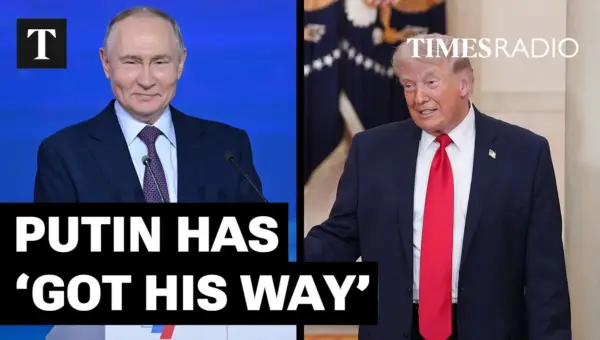
Russia Wins Big as Mideast Crisis Diverts US Focus from Ukraine
The ongoing crisis in the Middle East has inadvertently become a major win for Russia, boosting its economy through higher oil prices and creating strategic geopolitical advantages. As global attention shifts away from Ukraine, Moscow finds itself in a stronger position, both economically and internationally.