Rare Mia Electric Car: A French Charmer or Costly Catastrophe?
The Mia electric car is a rare French EV known for its unique three-seat layout. While intriguing, this car faces significant challenges with parts availability, performance, and maintenance, making it a costly curiosity for most.


Mia Electric Car: A French Charmer or Costly Catastrophe?
The Mia electric car, a quirky French creation from 2011-2013, is rarer than a Ferrari F40. With only about 1,000 made before the company folded, finding one is like finding a needle in a haystack. But is this rarity a sign of exclusivity, or a warning of potential problems? We take a closer look at this unique three-seater electric vehicle to see if it’s a hidden gem or a costly mistake.
What Exactly is the Mia Electric Car?
The Mia is a compact electric car built in France between 2011 and 2013. Classified as a car, not just a quadricycle, it shares a surprising feature with the legendary McLaren F1: a central driving position. This means the driver sits in the middle, with passengers flanking them behind. It’s a clever design that offers excellent visibility all around.
Getting into the Mia is an experience in itself. Forget traditional door handles; you press a flower symbol on the key fob, which releases an electric ladder, allowing access to the sliding doors. Inside, the cabin is minimalist and symmetrical, with the driver’s controls centered. It boasts a small digital display showing speed, range, and battery status.
Performance and Range: A Glimpse of the Past
The Mia came with two battery options: an 8 kWh and a 12 kWh unit. By today’s standards, these are quite small. The 8 kWh battery was rated for about 56 miles, while the 12 kWh was expected to go further. However, real-world range can vary significantly, especially with older batteries.
During testing, the Mia showed a range of around 50 miles on a full charge, which could extend to 68 miles when the eco button was pressed. This suggests the battery may have lost some of its original capacity. Top speed is officially around 62 mph, but achieving this can be a challenge. In testing, it struggled to reach 60 mph, taking a lengthy 56.49 seconds. Braking performance was also a concern, with a recorded stopping distance of 209 feet from 60 mph, and the ABS light indicating a problem.
Interior and Practicality: Quirky but Functional?
The three-seat layout is the Mia’s standout feature. The driver sits centrally, offering a commanding view. Two passengers can sit comfortably behind. Access is made easier by the sliding doors, and surprisingly, the boot offers decent space. A passenger even managed to fit inside the boot for a demonstration, proving its practicality for carrying luggage.
However, the interior isn’t without its quirks. The steering wheel is flat-bottomed and shows signs of wear. While there’s an airbag, its functionality is uncertain. The dashboard design is symmetrical, and air vents are positioned within reach. Storage nets are present, along with 12-volt connectors. One oddity is the rear-view mirror, which seems better suited for driving on the right side of the road.
The Reality of Ownership: A Mechanic’s Nightmare?
Owning a rare car like the Mia comes with its own set of challenges. The car tested revealed several worrying issues. The steering felt vague at lower speeds and unstable at higher speeds. The suspension was bouncy, suggesting worn shock absorbers. The ABS light illuminated, indicating brake problems, and the steering pulling to the left pointed to worn tie rod ends.
Finding parts for the Mia is a significant hurdle. The company went bankrupt over a decade ago. While some parts might be interchangeable with other vehicles, like the Citroën Saxo or C1 for suspension and brakes, identifying and sourcing them is difficult. In one instance, ordered brake discs and pads for a Citroën Saxo were incorrect, highlighting the complexity of finding compatible parts.
The windscreen replacement on the tested car was also poorly done, glued onto the exterior, raising concerns about future repairs and the availability of specific Mia parts. Even the tires were cracked and worn, with the original Michelin size no longer available, requiring a slightly wider, taller alternative that thankfully fit.
Value and Target Buyer: Who is the Mia For?
When new, the Mia cost around £25,000. For that price, reviewers at the time suggested that a Nissan Leaf, a more developed and capable electric car, was a much better option. Today, the Mia’s value lies primarily in its rarity and unique design, appealing to collectors or enthusiasts seeking something truly unusual.
However, the cost and difficulty of maintenance make it a questionable choice for everyday use. The potential for expensive repairs, coupled with limited range and performance, means it’s not a practical vehicle for most buyers. It’s a car for someone who loves a project, has access to specialist knowledge, and can source parts, or perhaps someone looking for a unique showpiece rather than a daily driver.
Verdict: A Rare Curiosity with Costly Caveats
The Mia electric car is undeniably interesting. Its central driving position, three-seat layout, and quirky design make it stand out. However, its rarity is a double-edged sword. While it guarantees exclusivity, it also means finding parts and qualified mechanics is extremely difficult.
The issues encountered during testing – from performance and braking problems to the sheer difficulty of repairs – suggest that owning a Mia is not for the faint of heart. It requires significant dedication, a substantial budget for potential repairs, and a good dose of patience. While it might appeal to a niche market of collectors, for the average car buyer, the Mia remains an intriguing but impractical proposition.
Source: I bought the UK’s rarest car… it went horribly wrong (YouTube)

Related Articles


XPeng G6 Shocks With Performance, Drives EV Adoption
The XPeng G6 is proving to be a standout EV with thrilling performance, bolstering the appeal of electric vehicles. While facing market challenges, its strong product and agile strategy position it for success. Meanwhile, the economic benefits of fleet electrification are becoming undeniable, even as charging infrastructure challenges are addressed.


Sony’s PlayStation Car Canceled, EV Market Woes Continue
Sony's ambitious PlayStation car project, Afeela, has been abruptly canceled just months before its planned release. The futuristic EV, which promised integrated gaming features, fell victim to the increasingly competitive and challenging electric vehicle market. This move highlights the tough road ahead for new entrants in the EV space.

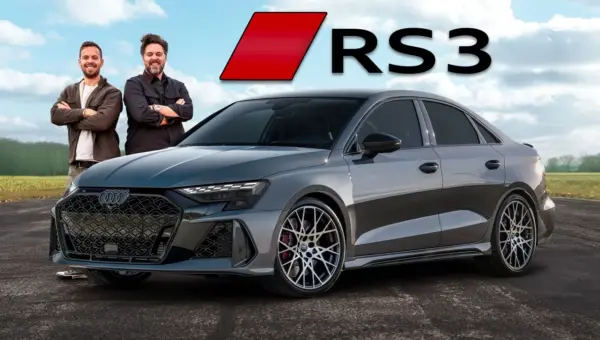
Audi RS3 Sedan Delivers Thrills, Unique Charm, and Refined Interior
The 2026 Audi RS3 sedan returns with a thrilling five-cylinder engine, updated interior, and sharper performance. While it commands a premium price, its unique character and engaging driving dynamics make it a standout choice for performance sedan enthusiasts.