Youth “Feral” Behavior Sparks Clapham Unrest, Fueled by Social Media
Large groups of youths, organized via social media "link ups," caused significant disruption in Clapham, London, over the Easter weekend. The "feral" behavior included ransacking a store and intimidating residents, raising concerns about public safety and the influence of online trends on youth conduct.

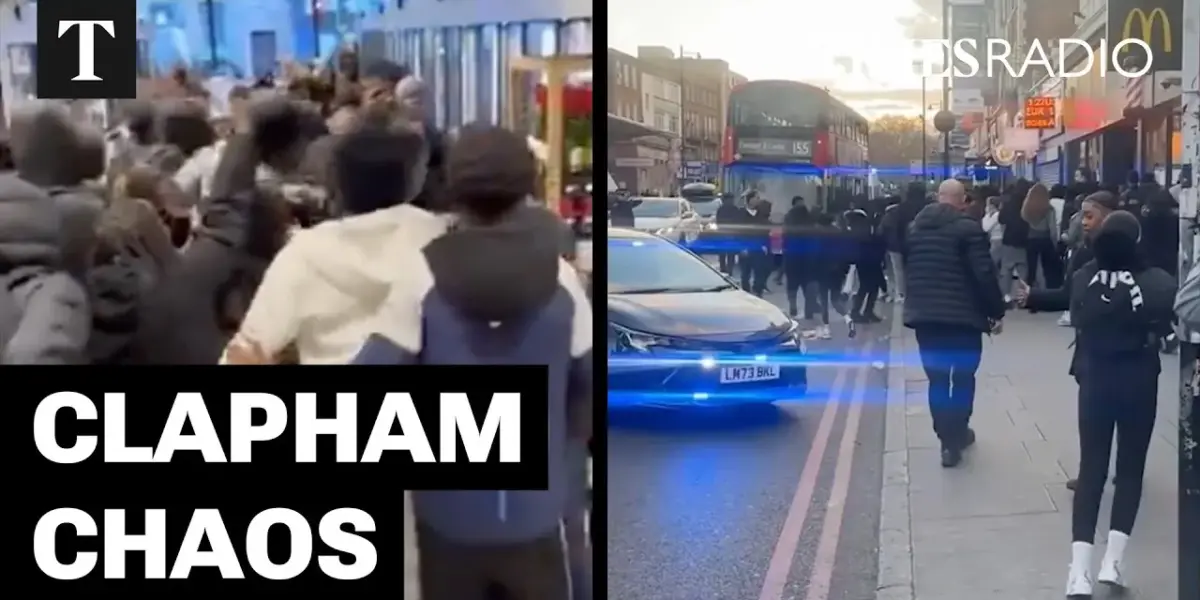
Youth “Feral” Behavior Sparks Clapham Unrest, Fueled by Social Media
Southwest London’s Clapham High Street experienced significant disruption over the Easter weekend as large groups of young people, reportedly organized through social media, engaged in widespread antisocial behavior. The events, which saw fires lit on Clapham Common and businesses forced to close early, have raised concerns about public safety and the impact of online trends on youth conduct.
Organized Through Social Media “Link Ups”
The unrest began on Saturday when an estimated 100 young people gathered in Clapham Common. Investigations reveal that these gatherings were orchestrated via a social media trend known as a “link up,” primarily organized on Snapchat. This trend involves young people coordinating to meet in specific locations. On Saturday, the group moved to Clapham High Street, where they reportedly ransacked an M&S store. While there were no confirmed reports of looting, significant damage to the store was observed, and police intervention was required to disperse the crowd.
A similar incident occurred on Tuesday. Again, young people gathered, with organization taking place on Snapchat. Footage from the events showed shocking scenes, including youths blocking traffic, confronting police, and entering restaurants to climb on tables. Much of this activity was captured and shared on social media platforms, amplifying the events.
Community Fear and Unease
The behavior of the masked youths, many wearing balaclavas and hoodies, created a palpable sense of fear among local residents and business owners. While the immediate events have subsided, a lingering unease remains about the possibility of further incidents. A former Detective Superintendent, Shabnam Chowuri, described the behavior as “absolutely feral” and stressed the importance of consequences for such actions.
Herby Russell, reporting for The Times, noted that people of all ages in Clapham expressed fear. This included elderly residents and younger individuals in their late twenties and thirties. Despite police assurances that they are managing the situation and do not anticipate repeat incidents, the speed at which these social media trends can spread presents an ongoing challenge.
Why Clapham? Targeting High Streets
Several theories are being considered for why Clapham was targeted. The area has a significant number of housing estates, meaning a large population of families and young people. Clapham Common also offers a large park space, which is appealing to youth. Another contributing factor may be a perceived decrease in police presence in the area. Reports suggest that complaints have been made about a lack of local policing in recent years, leading to speculation that the high street was targeted because it was seen as an area where the youths might face fewer police and be more likely to avoid immediate repercussions.
Social Media Trends and Youth Behavior
Experts believe these events are part of a broader social media trend. While the gatherings might be compared to past “flash mobs,” the key difference is the speed and reach of modern social media, which allows trends to spread rapidly across different platforms and potentially across the country. The aggressive nature of some of the incidents has surprised observers, with suggestions that not all participants may have initially intended to engage in riotous behavior.
The “red versus blue” school rivalry trend on social media, which encouraged schools in London to engage in conflict, is considered separate from the Clapham events. Instead, the current situation appears to be a more general phenomenon where social media fuels and exacerbates normal instances of children “getting up to no good” during holidays. It has become a competition to see who can perform the most shocking acts and capture the most “crazy” footage for online sharing.
This phenomenon is being compared to the role of BlackBerry Messenger (BBM) in the 2011 London riots, where the technology facilitated group organization and the coordination of unrest. The current situation highlights a potential lack of constructive activities for young people during school holidays.
Funding Cuts and Lack of Youth Services
A significant factor contributing to youth boredom and potential for unrest is the long-term reduction in funding for local councils. Real-terms funding for local services has dropped considerably since 2010, leaving fewer resources for youth programs and activities. This lack of opportunity during holidays can push young people towards seeking excitement in less constructive ways.
While there was hope that new local administrations would increase police presence, scenes like those in Clapham undermine confidence that authorities have a firm grip on the situation. The disruption also impacts police resources, as officers are drafted in to manage these incidents, depleting numbers available for routine policing elsewhere in London.
Police Response and Future Prevention
The Metropolitan Police have pledged a zero-tolerance approach to the unrest and have promised further arrests as investigations continue. Specialist officers are reportedly monitoring social media platforms like TikTok to identify potential signs of future gatherings. Public warnings are being issued to deter participation.
The police are also emphasizing parental responsibility, urging parents to be aware of their children’s activities and online behavior. The government had previously announced funding for youth schemes aimed at providing young people with places to go during holidays. The effectiveness and utilization of this funding will be a key area to watch.
Despite the challenges, some observers believe the Met handled the immediate situation effectively and quickly. The focus is now on preventing the spread of these trends and ensuring that consequences are applied. As one commentator noted, the problem lies in a culture where some young people believe they can act without repercussions, a stark contrast to areas where “actions have consequences” and clear boundaries are enforced by parents, communities, and authorities alike.
Looking Ahead
As the Easter holidays continue, the focus remains on whether law enforcement can effectively curb these social media-driven youth gatherings. The effectiveness of increased police surveillance on social media and the impact of parental engagement will be crucial. Furthermore, the long-term solution likely involves addressing the underlying issues of reduced youth services and the need for engaging activities for young people during school breaks.
Source: 'Absolutely Feral' Youths Must Face Consequences For Clapham Unrest | Former Det Supt (YouTube)

Related Articles

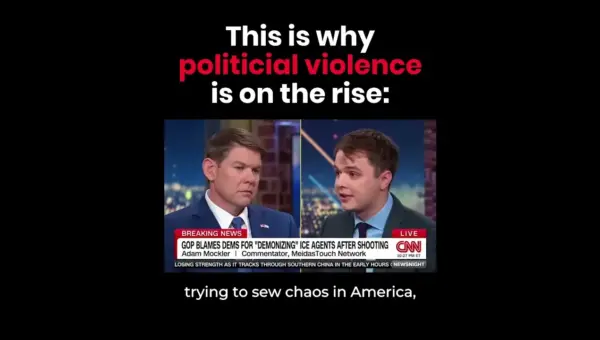
Young Men Radicalized Online Fuel Deadly Shootings
A disturbing pattern of young men committing mass shootings is accelerating, fueled by online radicalization and societal isolation. This analysis explores the contributing factors and the urgent need for solutions beyond political blame.

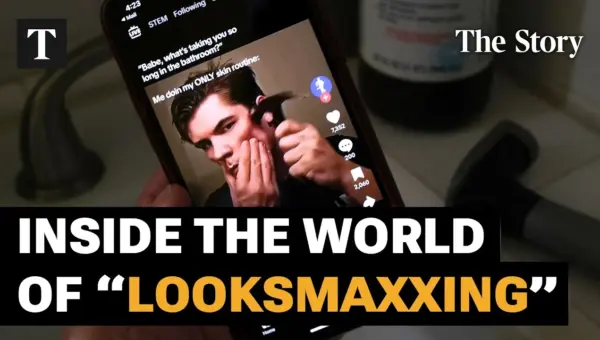
Looksmaxxing: Young Men Chase Perfect Looks Online
A growing number of young men are engaging in 'looksmaxxing,' a trend focused on extreme self-improvement of physical appearance through rigorous routines, online validation, and sometimes dangerous practices. Experts worry about the psychological impact and the focus on aesthetics over other aspects of life and relationships.


Chili’s Mocks Ruth’s Chris Dress Code in Viral Ad
Chili's has playfully mocked Ruth's Chris Steak House's new dress code, sparking an online debate about dining etiquette. While Ruth's Chris is enforcing stricter attire, Chili's stated their only rule is that customers must be dressed, highlighting a growing trend towards casual dining.