NASA’s Artemis II Ignites Historic Moon Journey
NASA's Artemis II mission is set to launch, marking the first crewed voyage around the Moon in over 25 years. The mission features a historic crew and showcases cutting-edge rocket and spacecraft technology. Its success has significant implications for the future of space exploration and the aerospace industry.

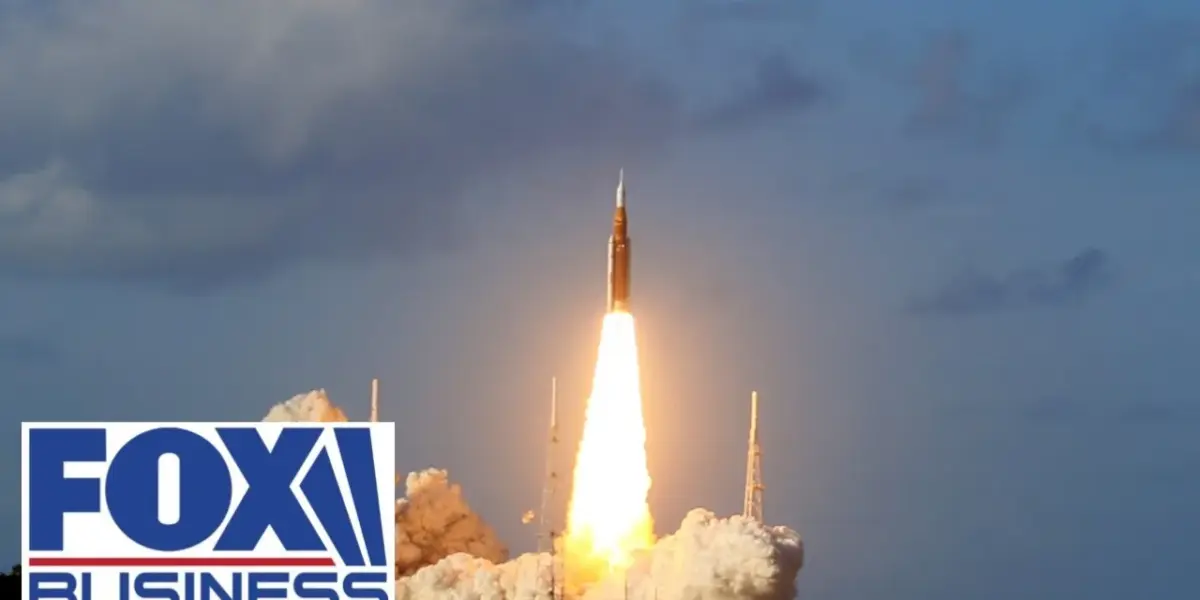
Artemis II Launch Signals New Era in Space Exploration
The countdown has begun for a monumental moment in space history as NASA prepares to launch the Artemis II mission. This mission marks the first crewed voyage to orbit the Moon in over 25 years, sending four astronauts on a roughly 10-day journey. The excitement is palpable on the ground, with thousands gathered under clear blue skies to witness the liftoff of what is described as the most powerful rocket ever built by humans.
A Historic Crew Takes Flight
Artemis II is not just a technological leap but also a significant milestone for diversity in space exploration. The crew includes the first female astronaut, the first Black astronaut, and the first Canadian to travel to the Moon. These astronauts, described as highly prepared and calm, have spent the last two years training for this mission. Many are naval aviators, bringing a wealth of experience and a focused mindset to the critical task ahead.
“I think they know they are prepped and ready. I’m excited looking at that beautiful picture with beautiful weather. T-minus 10 is a planned hold, they have time to go around. I was just listening to polling is is go, go, it all sounds good. They are lying flat on their back, they have been working at this for last two years solid.”
Engineers and Scientists on Edge
While the astronauts prepare for the ride of their lives, the scientists and engineers behind the mission are experiencing a different kind of intensity. For those not on board, the feeling is one of immense anticipation and a touch of anxiety. As the head of planetary science for many years, the launch represents years of hopes, dreams, and scientific aspirations riding on its success.
Technological Marvels Powering the Mission
The rocket itself is an engineering marvel. The Space Launch System (SLS) is 15% more powerful than the Saturn V rocket that carried astronauts to the Moon decades ago. The Orion spacecraft, perched atop the rocket, is a testament to new technology designed to overcome challenges faced in earlier missions. Its successful performance on Artemis I, an uncrewed test flight, has paved the way for this crewed mission.
What to Expect During the Journey
The Artemis II mission will take the crew on a journey around the Moon, testing the Orion spacecraft’s systems and capabilities. During the launch sequence, the astronauts will experience incredible acceleration, reaching speeds of up to 17,500 miles per hour in about 8 minutes. Later, further engine firings will propel them to speeds of 25,000 miles per hour.
Countdown and Launch Sequence
The final minutes before liftoff are critical, with teams meticulously monitoring every detail. A safety system is in place that can pull the capsule away from the rocket if a problem arises during launch, deploying parachutes to ensure the crew’s safety. As the countdown progresses, every sensor reading and system check is crucial. The launch sequence involves multiple stages, with the core stage flight computer taking over automated launch at 30 seconds.
The Orion Spacecraft: A New Generation of Exploration
The Orion spacecraft is a key focus of the Artemis II mission. It represents a significant advancement in space capsule design. Engineers are eager to see how its new features perform in the harsh environment of deep space. This mission will validate the spacecraft’s systems, ensuring it is ready for future lunar missions and potentially beyond.
Market Impact
While this is a scientific and exploratory endeavor, the success of Artemis II has broader implications. It demonstrates continued investment and progress in the aerospace sector. Companies involved in building the rocket, spacecraft, and supporting technologies will see their innovations put to the test. This can lead to further contracts and advancements, boosting the aerospace industry and related technology fields. The mission also inspires a new generation of scientists and engineers, potentially driving future innovation and economic growth in STEM fields.
What Investors Should Know
For investors, the Artemis program highlights the long-term potential of space exploration. Companies involved in NASA contracts, satellite technology, and advanced materials could see increased interest. The successful execution of missions like Artemis II signals a maturing space economy. It suggests a sustained commitment to space exploration, which could translate into significant opportunities for companies at the forefront of this sector. Investors looking at the aerospace and defense industries should monitor the progress and outcomes of such high-profile missions.
Source: Cutting-edge technology on full display in Artemis II launch (YouTube)

Related Articles


Trump Fires AG Bondi, Iran Tensions Rise, Artemis II Heads to Moon
Attorney General Pam Bondi has been fired by President Trump, with Deputy AG Todd Blanche stepping in as acting AG. Amidst rising oil prices and escalating tensions, the U.S. warns Iran as the Artemis II mission successfully heads towards the Moon. Golfer Tiger Woods was arrested for DUI and is stepping away for treatment.

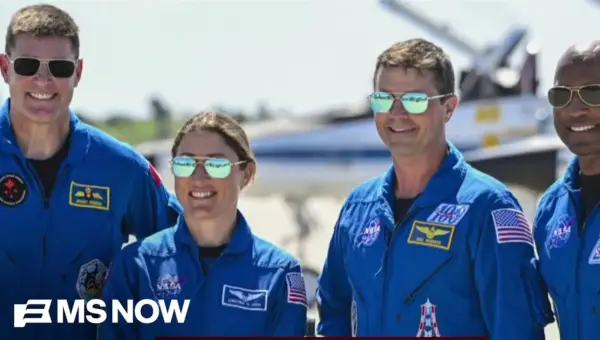
Astronauts Head to Moon Amidst Divided Nation
The Artemis II mission has launched, sending four astronauts towards the Moon in a journey that highlights both humanity's drive for exploration and the current divisions within society. While the launch captured global attention, it also sparked conversations about how fragmented media impacts shared national experiences.


Moon Missions Spark New Space Race: Fuel & Power
Renewed moon missions are fueling a new space race, driven by the potential for rocket fuel production and strategic control. However, concerns about space weaponization and the lack of clear property rights in this lawless frontier add a complex geopolitical layer to lunar ambitions.