Supreme Court Hears Birthright Citizenship Case: A Constitutional Showdown
The Supreme Court is currently hearing arguments in a case challenging birthright citizenship, a principle rooted in the 14th Amendment. The challenge, initiated by an executive order, seeks to end citizenship for children born in the U.S. to non-citizen parents. Experts warn this move could radically redefine American identity and is linked to a history of using citizenship as a tool for exclusion.

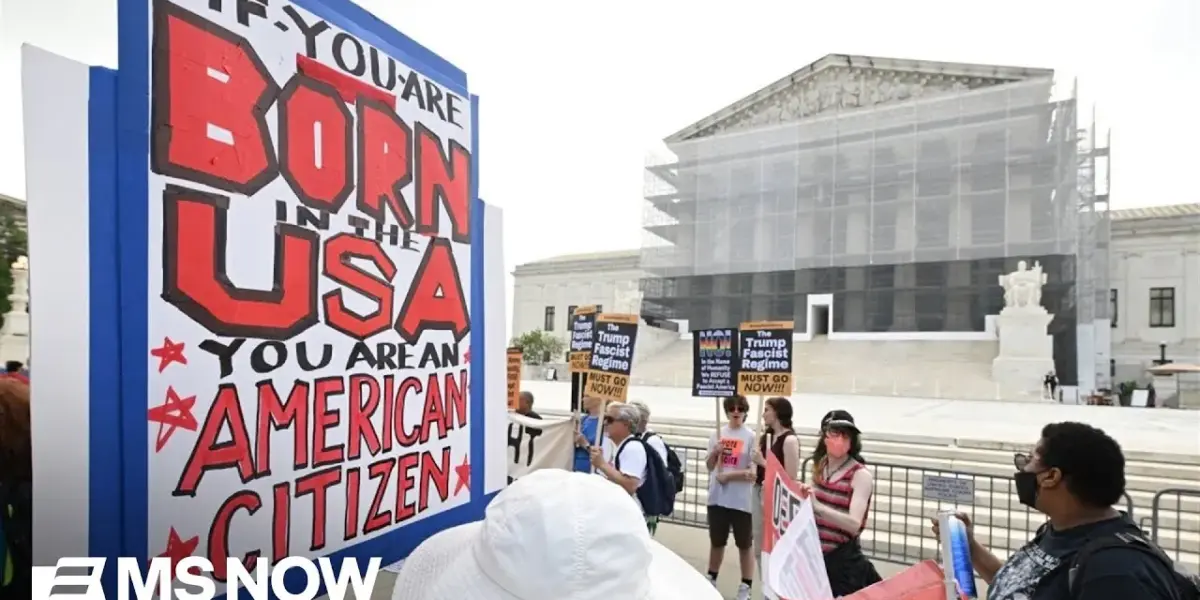
Supreme Court Debates Birthright Citizenship
The U.S. Supreme Court heard arguments today on a case that could fundamentally alter the meaning of American citizenship. The challenge, brought forth by an executive order from President Trump, seeks to end birthright citizenship for children born in the United States to non-citizen parents. This move has sparked widespread concern among legal experts and civil rights advocates, who view it as an attack on a long-standing constitutional principle.
The atmosphere in the courtroom was described as historic, with many individuals, representing diverse backgrounds, being sworn into the Supreme Court Bar. This powerful visual underscored the significance of the 14th Amendment and the foundational ideal of citizenship it protects. ACLU Legal Director Cecilia Wong argued forcefully that birthright citizenship is an American principle, deeply embedded in the Constitution.
A Question of Authority: Executive Order vs. Constitutional Amendment
A central point of contention during the oral arguments was the method used to challenge birthright citizenship. Chief Justice John Roberts questioned the very basis of the case, noting the vast changes in the world since the Constitution’s ratification and asking, “What are we doing here?” The argument was made that changing the Constitution cannot be achieved through an executive order. Such a monumental shift would typically require legislation passed by Congress and ratified by 38 states.
The court’s decision to even hear the case on its merits was seen by some as a breach of precedent. The argument was that the case should never have reached the Supreme Court in the first place, as it originated from an executive action rather than a legislative process or a direct constitutional amendment.
Decades of Anti-Immigrant Sentiment
The legal theory behind ending birthright citizenship is not new. It has been advanced by anti-immigrant groups for decades, particularly since the Civil Rights Movement and the elimination of racial quotas in immigration law. President Trump’s administration embraced this fringe legal theory, making it a signature initiative. This effort is seen as the culmination of a long-standing campaign to reshape the country’s demographics and its understanding of who belongs.
President Trump himself has publicly stated that the U.S. is the “only country in the world stupid enough to allow birthright citizenship.” However, research indicates that approximately three dozen countries have similar provisions in their laws. This highlights a broader cultural and legal fight beyond the courtroom.
Broader Implications: Targeting Immigrant Families and Democracy
Justice Samuel Alito’s remarks during the hearing, suggesting the situation arose from a failure to enforce existing immigration laws, were interpreted by some as both a justification for the case and a preview of future legal strategies. The focus is not just on individuals without legal status but also on long-term residents, including those on work visas, student visas, DACA recipients, and those seeking asylum. These are people who have built lives, families, and contributed to their communities for years, sometimes decades.
The effort to end birthright citizenship is viewed as a spearhead for a larger agenda to redefine what it means to be an American. If successful, it would represent a radical and drastic change to the nation’s identity. This is not merely an issue affecting immigrants; it touches upon the very fabric of a multiracial democracy.
Historical Context: Citizenship as a Gatekeeping Tool
The push to end birthright citizenship is linked to a historical pattern of using citizenship as a means of exclusion. President Trump’s political career began with questioning the legitimacy of President Obama’s birthplace, and similar doubts were raised about Vice President Kamala Harris. These actions echo a long tradition of challenging the citizenship of Black individuals and people of color.
The argument that this is about a narrow legal interpretation ignores the racial injustices that have shaped the Constitution. The Reconstruction Amendments (13th, 14th, and 15th) were enacted after the abolition of slavery. The current efforts are seen as an attempt to sever these constitutional rights from their historical context, promoting racist tropes about “anchor babies” and “invasions.” The “great replacement theory,” a racist white supremacist ideology, is seen as underpinning these arguments.
What’s Next for Birthright Citizenship?
The Supreme Court’s decision in this case will have profound consequences. It could either uphold a fundamental constitutional right that has defined American identity for generations or pave the way for a radical redefinition of citizenship. The outcome will signal the direction of the nation’s approach to immigration, diversity, and the very meaning of being an American. Advocates are closely watching, recognizing that this legal battle is part of a larger struggle for the soul of the country.
Source: ‘Extreme anti-immigrant push’: Supreme Court skeptical of Trump’s bid to end birthright citizenship (YouTube)

Related Articles

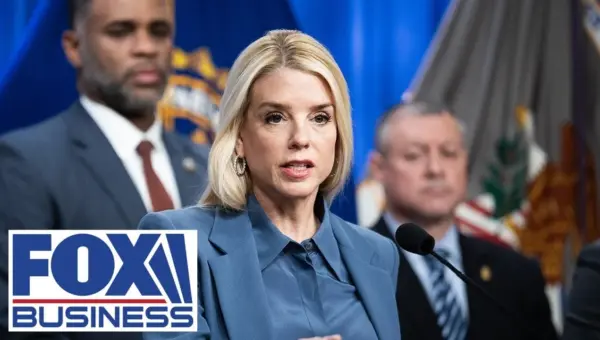
GOP Lawmaker Demands ‘Aggressive’ AG Replacement
GOP lawmakers are divided over border security funding as one representative calls for a more "aggressive" Attorney General. The debate over funding and the upcoming replacement for AG Pam Bondi highlight internal party struggles. Meanwhile, concerns about birthright citizenship and FEMA's low disaster fund add to the political landscape.

Iran’s Regime Faces Pressure as US Focuses Inward
The U.S. faces a dual challenge: navigating complex foreign policy in Iran while grappling with deep domestic political divisions. The administration's strategy towards Iran is under scrutiny, with questions about its clarity and effectiveness. Simultaneously, the Supreme Court is hearing a pivotal case on birthright citizenship, potentially reshaping constitutional law.


Birthright Citizenship: Is the 14th Amendment Outdated?
The 14th Amendment's guarantee of birthright citizenship is under intense debate. Panel guests discuss whether the long-standing interpretation is outdated and explore the practical challenges and historical context surrounding this core American principle.