Trump’s Iran Address Exposes Major Political Weaknesses
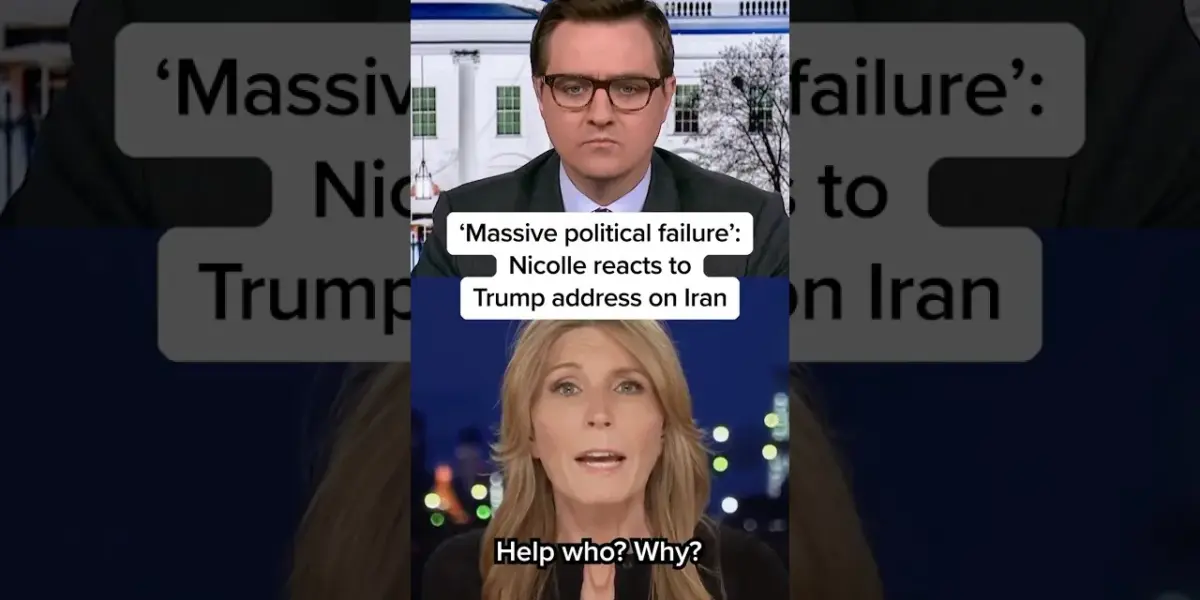
Nicolle Wallace critiques Donald Trump's prime-time address on Iran, labeling it a "massive political failure." She argues the speech missed an opportunity to connect with Americans by not addressing pressing issues like rising gas prices. The analysis highlights how this disconnect exposes Trump's political vulnerabilities.

Trump’s Iran Address Exposes Major Political Weaknesses
Former President Donald Trump’s recent prime-time address regarding Iran has highlighted significant political vulnerabilities, according to political analyst Nicolle Wallace. The speech, intended to address escalating tensions with Iran, instead served to crystallize existing challenges for the former president, Wallace argued.
Key Criticisms of Trump’s Address
Wallace detailed several critical points during her analysis. She stated that Trump’s address demonstrated a “massive political failure” because it did not effectively communicate a clear strategy or offer solutions to the complex situation with Iran. Instead, the speech seemed to rely on familiar rhetoric without providing substance, leaving many questioning the administration’s direction.
One of the central arguments made by Wallace was that the address failed to connect with the American public on key issues that matter to them. While the speech touched on foreign policy, it did not adequately address domestic concerns such as the rising cost of gas prices, which Wallace identified as a major point of concern for voters. This disconnect, she explained, represents a significant misstep in political communication.
“He missed an opportunity to connect with the American people on issues that are actually impacting them right now,” Wallace stated. She emphasized that voters are currently focused on their household budgets and the price at the pump. By not directly addressing these everyday concerns, Trump’s message about foreign policy risks falling on deaf ears.
Vulnerabilities Highlighted
The analysis pointed to several specific vulnerabilities exposed by the speech. Firstly, it showed a potential lack of understanding of the current public mood and priorities. Trump’s focus on foreign policy, without acknowledging the economic pressures many Americans face, suggests a disconnect between his agenda and the electorate’s immediate needs.
Secondly, the speech seemed to reinforce perceptions of Trump as a leader who is out of touch with the realities of everyday life for many Americans. The failure to mention or offer solutions for issues like inflation or gas prices, which are top concerns, could alienate voters who are struggling financially. This is particularly damaging as it plays into narratives about his administration’s priorities.
Wallace also noted that the address did little to reassure allies or deter adversaries, a critical function of such a high-profile foreign policy statement. The lack of a clear, actionable plan could be interpreted as weakness on the international stage, potentially emboldening adversaries rather than deterring them.
Broader Political Implications
The implications of this perceived political failure extend beyond the immediate context of the Iran situation. It raises questions about Trump’s ability to adapt his messaging and strategy to current political realities and public sentiment. In politics, timing and relevance are crucial, and this address appeared to miss both.
Wallace suggested that this misstep could have a tangible impact on Trump’s political standing. If voters feel their pressing concerns are being ignored in favor of less immediate issues, it could lead to a decline in support. The ability to connect with voters on bread-and-butter issues is often a deciding factor in elections.
The analysis serves as a reminder that even high-profile speeches require careful consideration of the audience and the prevailing national mood. Foreign policy is important, but it cannot exist in a vacuum, separate from the economic and social concerns of the people.
Looking Ahead
Moving forward, it will be crucial to observe how Donald Trump and his campaign respond to this criticism. Will they adjust their messaging to better reflect the current concerns of the American public? Or will they continue to focus on foreign policy and other issues, potentially at the cost of broader public appeal? The effectiveness of future communication strategies will likely depend on their ability to bridge the gap between global affairs and the everyday challenges faced by voters.
Source: 'Massive political failure': Nicolle reacts to Trump address on Iran (YouTube)

Related Articles

Trump’s Impossible Demands Reshape Justice Department
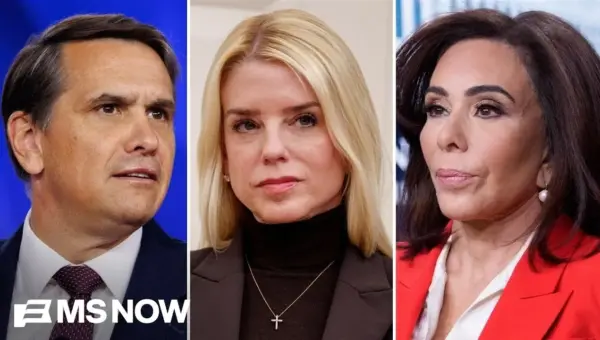
President Trump's demand for loyalty and action outside legal norms has reshaped the Justice Department. Recent departures, like Pam Bondi's, highlight the difficulty of fulfilling the President's "impossible tasks." The search for a new Attorney General continues amidst concerns about the DOJ's independence.
Trump Fires AG Bondi, Iran Tensions Rise, Artemis II Heads to Moon
Attorney General Pam Bondi has been fired by President Trump, with Deputy AG Todd Blanche stepping in as acting AG. Amidst rising oil prices and escalating tensions, the U.S. warns Iran as the Artemis II mission successfully heads towards the Moon. Golfer Tiger Woods was arrested for DUI and is stepping away for treatment.
Trump’s Leadership: A Moral Vacuum for Young Learners?
Young people seek moral guidance from leaders, but what lessons does Donald Trump offer? Some argue his approach teaches negative behaviors like bullying and isolation, contrasting with traits like patience and gratitude seen in others. This raises questions about leadership character and its impact on societal values.