Oil Surges to $107 Amid Escalating Iran Conflict
Escalating conflict in Iran has sent oil prices soaring to $107 per barrel, triggering significant market downturns globally. Analysts warn of prolonged economic damage, potential stagflation, and a heightened risk of recession.


Oil Prices Soar as Iran Conflict Intensifies, Markets Plunge
Global markets are facing significant turbulence as the conflict involving Iran escalates, pushing oil prices back above $100 per barrel and triggering widespread declines in stock markets. The situation has taken a sharp turn after initial hopes for a swift resolution were dashed by recent developments.
Conflict Escalation and Market Reaction
Following statements suggesting a potential end to the conflict within weeks, President Trump’s subsequent address to the nation indicated a more intense period ahead. He warned that attacks on Iran would significantly worsen over the next two to three weeks, with Iran potentially being pushed “back to the stone age.” This suggests an increase in fighting and a focus on targeting Iran’s key infrastructure, including electricity plants, which are vital for its economy.
The impact on financial markets was immediate. While U.S. markets did not move significantly before closing, overnight trading saw Asian markets fall by more than 2-3%. Analysts expect European and U.S. markets to open with similar or even steeper declines of 1-2% or more.
Oil Price Shockwaves
Oil prices have now climbed back to around $107 per barrel. This is a stark contrast to the beginning of 2026 when oil prices stood at $60 per barrel. This represents a more than 50% increase in a relatively short period. Unlike the brief spike seen during the Russia-Ukraine conflict, which lasted only a few days, oil prices have remained above $100 for weeks. This sustained high price level poses a significant threat to the global economy.
Why High Oil Prices Hurt
The effect of high oil prices extends far beyond just fuel for transportation. Oil is a fundamental component in the production of countless goods and raw materials across various industries. For example, natural gas prices in Europe have doubled since the conflict began. This increase is partly due to Iran’s retaliatory attacks, which have crippled 17% of Qatar’s liquefied natural gas (LNG) capacity. This damage is expected to impact supply for the next five years, keeping prices elevated for an extended period.
Natural gas is crucial for electricity generation in Europe. Therefore, a prolonged conflict means higher energy costs for a longer duration. This directly impacts corporate profits by reducing their margins and lessens the purchasing power of consumers, as their money buys less due to rising prices.
The Inflationary Spiral and Economic Slowdown
Rising prices, or inflation, typically prompt central banks to increase interest rates. Higher interest rates make borrowing more expensive for individuals and companies. This discourages spending and investment in new projects, hiring, and expansion, leading to slower economic growth. In essence, a cycle begins where economic activity slows down.
The Risk of Stagflation
The situation becomes more complex if inflation remains high while the economy slows. Central banks might face a dilemma: lowering interest rates to stimulate growth could further fuel inflation. Alternatively, increasing the money supply, as seen during the COVID-19 pandemic, could also exacerbate inflationary pressures. This scenario, where high inflation occurs alongside low or negative economic growth, is known as stagflation. Stagflation is particularly difficult to manage because the primary tool for economic control, interest rates, becomes less effective.
Geopolitical Stalemate and Future Outlook
The U.S. appears to be in a challenging position regarding the conflict. While a desire to disengage and focus on domestic economic growth is evident, extricating from the war is proving difficult, especially with an unwilling opposition. Iran’s current leadership, particularly the Revolutionary Guard, is reportedly fighting for its survival, facing pressure from both internal and external forces who desire a change in the country’s leadership and policies.
Given this dynamic, the current Iranian leadership is unlikely to agree to terms that would lead to their removal from power and potential prosecution. This suggests that Iran will resist surrender, potentially leading to intensified military action. President Trump’s warning of escalating conflict over the next two to three weeks likely signals a strategic push by the U.S. and its allies to target key Iranian assets to force a capitulation.
Potential for Wider Instability
In response, Iran may resort to targeting infrastructure in neighboring countries. The recent attack on Qatar’s LNG facility and the targeting of tankers in Bahrain and Dubai are examples of this. Furthermore, Iran could strengthen its control over the Strait of Hormuz, a vital shipping lane. This would create significant disruptions to global oil and gas supplies, as well as other critical raw materials like aluminum, helium, and ammonium nitrate.
The prolonged conflict and its ripple effects could lead to widespread shortages and further economic damage. The markets’ initial optimistic reaction to hopes of a resolution has now given way to a more somber reality. The current market prices may not fully reflect the extent of the economic damage being inflicted.
Long-Term Economic Threats
The longer the conflict persists, the higher the likelihood of a global recession. If the war continues through the spring and summer months, the economic consequences could be devastating. With five countries actively involved and numerous others affected by attacks and rising commodity prices, the global economy faces a significant man-made disaster. The current outlook suggests that oil prices will likely continue to rise until a full resolution is achieved, but no clear end is in sight.
Market Impact
Investors should brace for continued market volatility and potential declines. The surge in oil prices and the escalating geopolitical tensions pose significant risks to global economic growth. The threat of stagflation looms large, as central banks grapple with the dual challenge of high inflation and slowing economic activity. Companies heavily reliant on energy and raw materials may see their profit margins squeezed, while consumers could face higher costs for essential goods and services.
What Investors Should Know
The current situation highlights the interconnectedness of geopolitical events and financial markets. The conflict’s duration and Iran’s response will be critical factors to monitor. Investors should be aware that the market’s optimism can be quickly replaced by reality, leading to sharp reversals. The potential for supply chain disruptions and sustained high energy costs suggests a challenging economic environment ahead, with a heightened risk of a global recession in the coming years if the conflict is not resolved promptly.
Source: Joe Blogs is live (YouTube)

Related Articles


Oil Shock: Hormuz Closure Triggers Global Financial Crisis
A prolonged closure of the Strait of Hormuz could trigger a global financial crisis, leading to soaring energy prices, bond market instability, and a stock market crash. Analysts warn of potential job losses and asset devaluation, with limited safe havens for investors.
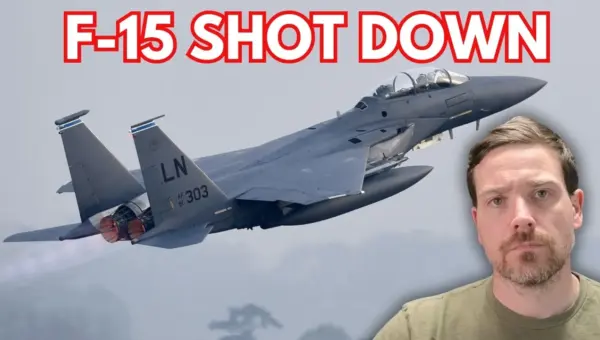
US Jet Downed in Iran: Stakes Skyrocket for Captured Crew
A US F-15 jet shot down over Iran raises tensions, with search efforts underway for the two crew members. The incident could become a major propaganda win for Iran if the crew is captured, potentially altering the war's outcome and public opinion.
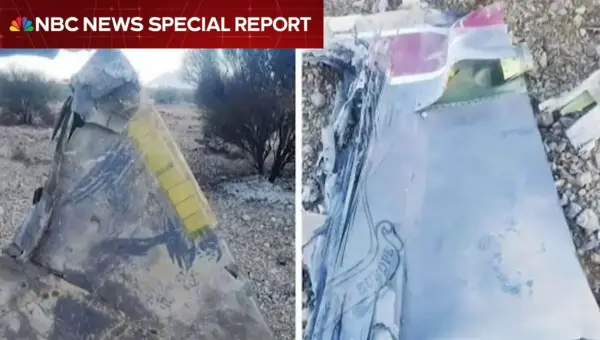
US Fighter Jet Crashes in Iran; Rescue Mission Underway
A U.S. F-15 fighter jet crashed inside Iran on Friday, prompting an urgent search and rescue mission. U.S. officials confirmed the incident, while Iranian state media reported the downed aircraft and offered a reward for the capture of the crew. The White House has been briefed, and the event raises questions about the ongoing U.S. military operations and potential escalation.