MyPillow CEO Served Lawsuit Live On CPAC Stage
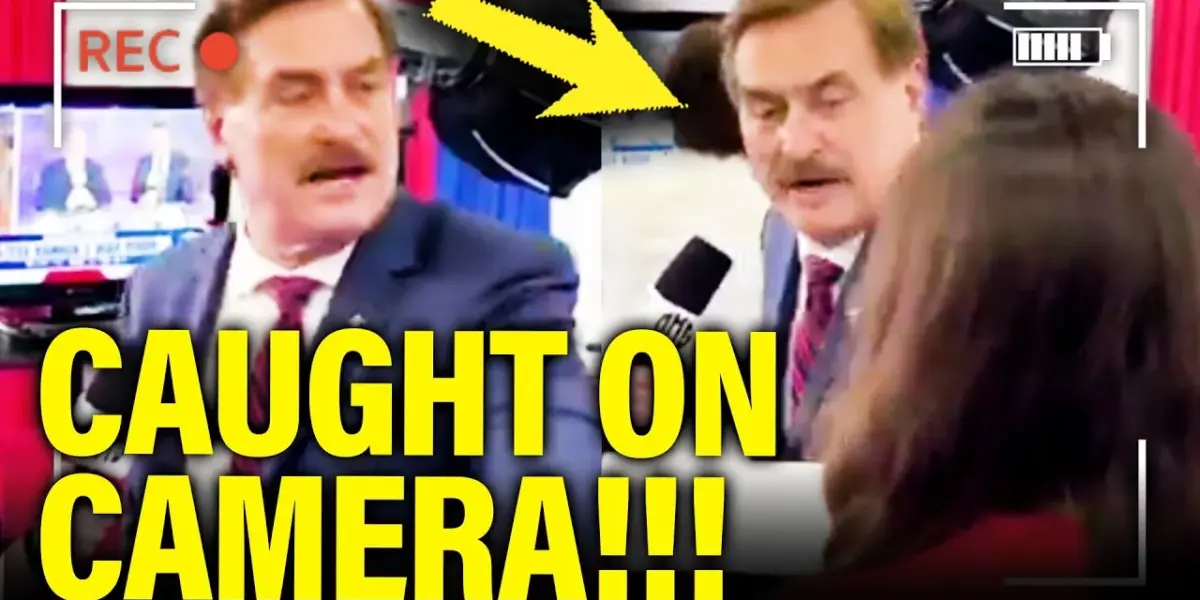
MyPillow CEO Mike Lindell was served a lawsuit live on stage at CPAC while giving an interview. This public moment highlights his ongoing legal and financial struggles stemming from his persistent claims about election fraud. With multi-million dollar judgments and more lawsuits pending, Lindell faces significant financial consequences.

MyPillow CEO Served Lawsuit Live On CPAC Stage
Mike Lindell, the CEO of MyPillow and a prominent supporter of Donald Trump, recently experienced a highly public moment of legal trouble. While participating in an interview at the Conservative Political Action Conference (CPAC), Lindell was handed legal documents for a lawsuit. A video of the event shows a process server approaching him during his TV interview. She politely informed him, “Hi, sorry to interrupt. I have this for you. You’ve been served.” Lindell’s immediate reaction was to try and push her away and repeatedly state, “We’re on TV here, please.” He seemed to believe that being on live television offered some kind of protection or immunity from the legal process.
However, being on TV does not prevent someone from being legally served. In fact, it often makes the moment more public and potentially more embarrassing. The process server was persistent and within her rights. She explained that he had to accept the documents. Lindell eventually took the papers and then threw them behind him, off-camera. This public serving highlights the challenges faced by individuals who promote unproven claims, especially when those claims lead to legal action.
A Pattern of Legal Battles
This incident is just one part of a larger pattern of legal and financial difficulties for Lindell. He has been involved in several high-profile lawsuits stemming from his persistent claims about the 2020 election being rigged. One significant case involved Eric Coomer, a former employee of Dominion Voting Systems. Lindell had accused Coomer of rigging the election in favor of Joe Biden.
A federal judge recently rejected Lindell’s attempt to overturn a defamation verdict in this case. The verdict ordered Lindell and his company to pay $2 million in damages to Coomer. Lindell had publicly called Coomer a traitor and a criminal on his platforms, leading to the defamation claim. The judge’s ruling means Lindell must now pay this $2 million judgment.
Another major lawsuit comes from Smartmatic, another voting machine company. Smartmatic sued Lindell and MyPillow for over $1 billion, alleging that Lindell intentionally spread false information about their voting machines. A federal judge in Minnesota ruled in September 2025 that Lindell’s statements about Smartmatic were indeed false and defamatory. This case is now heading towards a jury trial to determine if Lindell acted with “actual malice” and to set the final amount of damages.
Proving “actual malice” is a higher legal standard required when suing a public figure for defamation, as established by the Supreme Court case New York Times v. Sullivan. It means the person suing must show that the defendant knew the statement was false or acted with reckless disregard for the truth. Given that Lindell was repeatedly told the 2020 election was legitimate, his continued pursuit of fraud claims suggests he may meet this standard.
Financial Strain and Business Woes
Beyond these large defamation lawsuits, Lindell is also facing significant financial pressure. His own defense law firms have sued him for unpaid legal fees, leading some of them to withdraw from his cases. FedEx reportedly filed a lawsuit seeking $9 million in unpaid fees. Last year, MyPillow was also ordered to pay $780,000 to DHL for outstanding debts. Shipping companies like FedEx and DHL are essential for an e-commerce business, and disputes over their bills point to serious cash flow problems.
The company has also faced multiple lawsuits for unpaid warehouse rent. Several facilities have reportedly been cleared out. Lindell himself has admitted to being millions of dollars in debt. He has claimed that these lawsuits are a coordinated effort to silence him, but the sheer number and variety of legal and financial actions suggest a deeper crisis.
Historical Context and Legal Principles
The legal principle of “serving” a defendant is fundamental to the justice system. It ensures that individuals are officially notified of a lawsuit against them. The process server’s job is to deliver these legal documents, and in most jurisdictions, a defendant cannot refuse to accept them, even if they are served in public. The law requires them to be formally notified so they have an opportunity to respond and defend themselves.
Lindell’s situation is a stark reminder that speech, especially public statements that harm others, can have significant legal and financial consequences. While freedom of speech is a cornerstone of American democracy, it is not absolute. Defamation laws exist to protect individuals from false statements that damage their reputation and livelihood. The legal system aims to hold those accountable who spread misinformation, particularly when it leads to harm.
Why This Matters
The public serving of Mike Lindell at CPAC and the ongoing lawsuits against him illustrate the real-world consequences of promoting unsubstantiated claims. For years, Lindell has been a vocal proponent of conspiracy theories about election fraud. These theories have been widely debunked by courts, election officials, and independent reviews. Yet, Lindell has continued to spend vast amounts of money and energy promoting them.
This situation raises important questions about accountability, the spread of misinformation, and the financial stability of individuals and businesses that align themselves with such narratives. It shows that even prominent figures can face severe repercussions when their actions cross legal lines. The legal system, despite its complexities, often finds ways to address alleged wrongdoing.
Implications and Future Outlook
Lindell’s legal troubles are far from over. With multi-million dollar judgments against him and more lawsuits pending, his financial future appears uncertain. The ongoing Smartmatic trial could result in an even larger financial blow. The strain on his business, MyPillow, is evident from the unpaid debts and eviction notices.
This case serves as a cautionary tale. For businesses and individuals, aligning with controversial or unproven claims can carry significant risks. As misinformation continues to be a challenge in the digital age, legal precedents like these underscore the importance of truth and accuracy. The courts are continuing to process these claims, and the outcomes will likely shape how public figures handle controversial statements in the future. It suggests a trend where those who spread damaging falsehoods may face increasing legal and financial consequences, potentially leading to bankruptcy for some.
Source: Top Trump Ally GETS NIGHTMARE News on LIVE TV (YouTube)

Related Articles


Judge Clears Actor in Harassment Suit, Others Remain
A federal judge has dismissed most harassment claims in a lawsuit filed by Blake Lively against Justin Baldoni. Ten of thirteen claims were dropped, but three remain, including breach of contract and retaliation. A trial is scheduled for May 18th.

Ex-FBI Agents Sue Leaders Over Trump Probe Firings
Three former FBI employees are suing Director Cash Patel and Attorney General Pam Bondi, alleging wrongful termination. The agents claim they were fired for their work on the Trump investigation and faced political discrimination.


Judge Dismisses Most of Blake Lively’s Harassment Claims Against Baldoni
A federal judge has dismissed ten out of thirteen sexual harassment claims filed by actress Blake Lively against Justin Baldoni. While claims of defamation and direct sexual harassment were thrown out, a retaliation claim and others remain active. This ruling significantly narrows the scope of the legal battle and could influence future settlement talks.