Trump Says US Forces Will Finish Iran Mission Quickly
President Trump stated that U.S. forces are nearing the completion of their military objectives in Iran, with key capabilities of the Iranian regime significantly diminished. Experts discussed the timeline, the strategic importance of the Strait of Hormuz, and the potential for regional partners to assume greater security responsibilities.

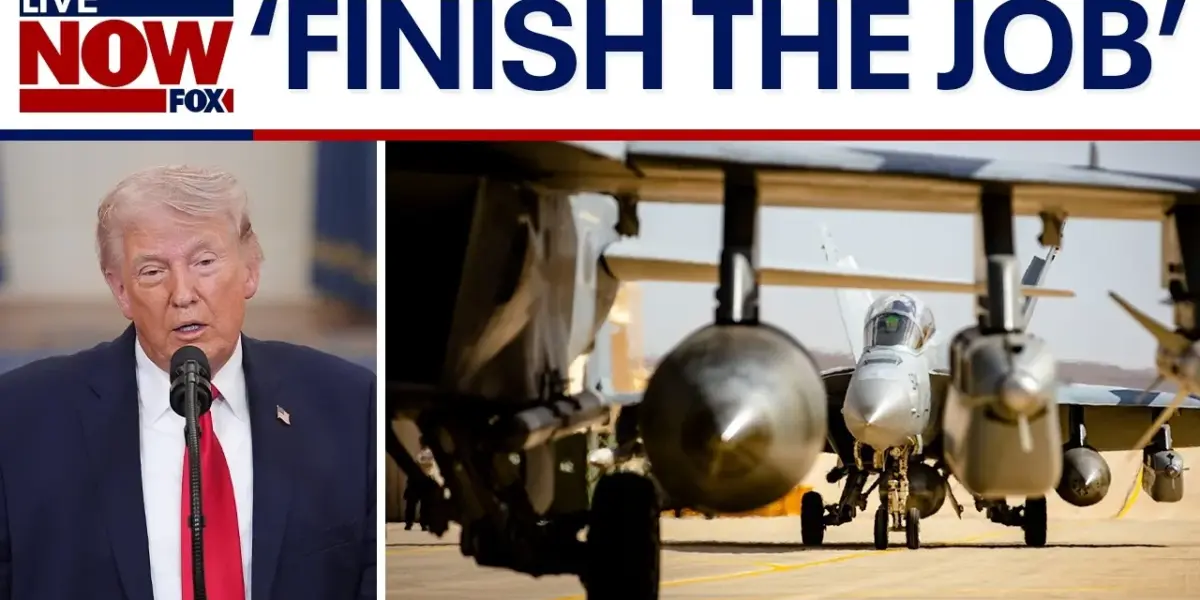
Trump Declares Iran Mission Nearing Completion
President Trump announced that U.S. forces are on track to complete their military objectives in Iran swiftly, stating that the world is close to ending Iran’s “sinister hold on the war.” Speaking to the nation, the president aimed to connect the dots for Americans, explaining the persistent threat posed by Iran and the reasons for the U.S. commitment in the Middle East.
Key Objectives Met, Capabilities Diminished
Retired Marine intelligence officer Hal Kemper and Benham Tailblue, an expert on Iran from the Foundation for the Defense of Democracies, discussed the president’s remarks. Both experts agreed that the speech largely reiterated previous points but served to clearly outline U.S. accomplishments.
According to Kemper, Iran’s ballistic missile strikes have decreased significantly, now operating at less than 5% of their peak rate. Similarly, Iran’s drone strike capabilities have been dramatically reduced, also falling to around 5% of their former capacity. The U.S. has also deployed B-52 bombers capable of striking deeply entrenched underground facilities within Iran, a capability not available at the war’s outset.
“The ballistic missile strikes on a daily basis are way down… same thing the drone strike capability has dramatically diminished…” Hal Kemper
Nuclear Sites Monitored, Strait of Hormuz Concerns
The discussion also touched upon the monitoring of Iranian nuclear sites, including Natanz, Fordo, and Isfahan, which were previously targeted in strikes. While the U.S. military has been using satellite intelligence to monitor these locations, the effectiveness and implications of this surveillance were debated.
Benham Tailblue raised concerns about the Strait of Hormuz, suggesting that while Iran has not physically blocked the strait, it has created a system where passage requires negotiation, effectively acting as a toll booth. Tailblue expressed worry that this situation could lead to countries negotiating bilaterally with Iran, potentially strengthening the regime.
“Shortly” Means Weeks, Not Months
When asked about the timeline, Kemper clarified that “shortly” likely means weeks, not months, possibly within two to three weeks. He noted that the president’s remarks about withdrawing forces were not explicit but seemed to acknowledge the reality of the situation, particularly concerning the extensive mining of the strait.
The possibility of a U.S. raid on islands in the Strait of Hormuz was discussed as a potential strategy to control the waterway. This could involve U.S. forces conducting an assault and then handing over control to regional partners like the UAE or Saudi Arabia.
Global Impact and Shifting Responsibilities
President Trump suggested that countries dependent on fuel from the region should consider buying oil from the United States or taking bolder action to secure passage through the Strait of Hormuz. Tailblue identified East and Northeast Asia, including China, Japan, and South Korea, as major consumers of Persian Gulf trade. He questioned the strategic wisdom of the U.S. securing oil routes for rivals like China.
The discussion highlighted that while Iran’s capabilities have been significantly diminished, direct communication channels between U.S. and Iranian officials appear limited, relying on intermediaries such as Pakistan. The complexity of the Iranian regime and the potential for escalation were also noted.
Future Strategy and Open Options
Experts suggested that President Trump is keeping his options open, aiming to reassure markets and signal that the U.S. will not be drawn into prolonged conflicts. The strategy appears to involve reducing U.S. military presence while encouraging regional partners and allies to take on greater responsibility for securing vital waterways.
The potential for increased involvement from countries like the UAE and Saudi Arabia was also mentioned, possibly in a joint effort to secure key islands in the Strait of Hormuz. The U.S. might play a role in the initial assault phase before handing over control.
Uncertainty in Direct Diplomacy
Regarding diplomacy, Tailblue noted the indirect nature of communications, with reports of Pakistani mediation and potential shifts in U.S. interlocutors. He emphasized the need to understand who the U.S. is negotiating with, given the perceived weakening of the Iranian regime.
The conversation concluded with a reflection on the U.S. strategy, balancing the desire to avoid protracted wars with the need to address the ongoing threat from Iran. The focus remains on achieving military objectives while potentially shifting security responsibilities to regional allies.
Source: Iran war: US forces will 'finish the job,' Trump says (YouTube)

Related Articles


Trump Fires AG Bondi, Iran Tensions Rise, Artemis II Heads to Moon
Attorney General Pam Bondi has been fired by President Trump, with Deputy AG Todd Blanche stepping in as acting AG. Amidst rising oil prices and escalating tensions, the U.S. warns Iran as the Artemis II mission successfully heads towards the Moon. Golfer Tiger Woods was arrested for DUI and is stepping away for treatment.


China’s Global Reach Faces Setbacks Amidst Internal Turmoil
China's international influence is facing growing opposition and internal challenges. From strategic island disputes and diplomatic overtures towards Taiwan to domestic unrest and technological failures, Beijing's global ambitions are encountering significant setbacks. These events signal a complex geopolitical landscape where China's power is being tested on multiple fronts.

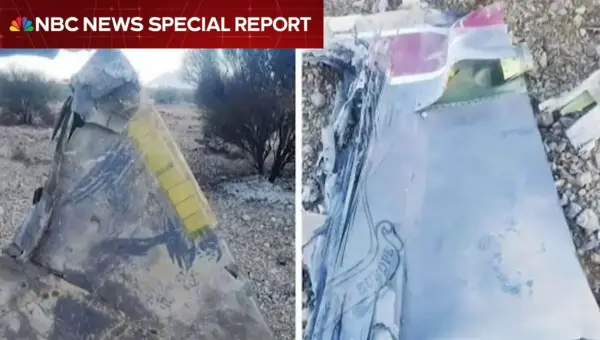
US Fighter Jet Crashes in Iran; Rescue Mission Underway
A U.S. F-15 fighter jet crashed inside Iran on Friday, prompting an urgent search and rescue mission. U.S. officials confirmed the incident, while Iranian state media reported the downed aircraft and offered a reward for the capture of the crew. The White House has been briefed, and the event raises questions about the ongoing U.S. military operations and potential escalation.