Trump Defends Iran War With Familiar Claims, Ignores Economic Pain
President Trump addressed the nation about the ongoing war with Iran, largely repeating familiar talking points rather than offering new strategies. He claimed swift military victories but offered little on economic impacts, like rising gas prices. Analysts criticized the speech for its lack of new information and its focus on appealing to different voter bases.

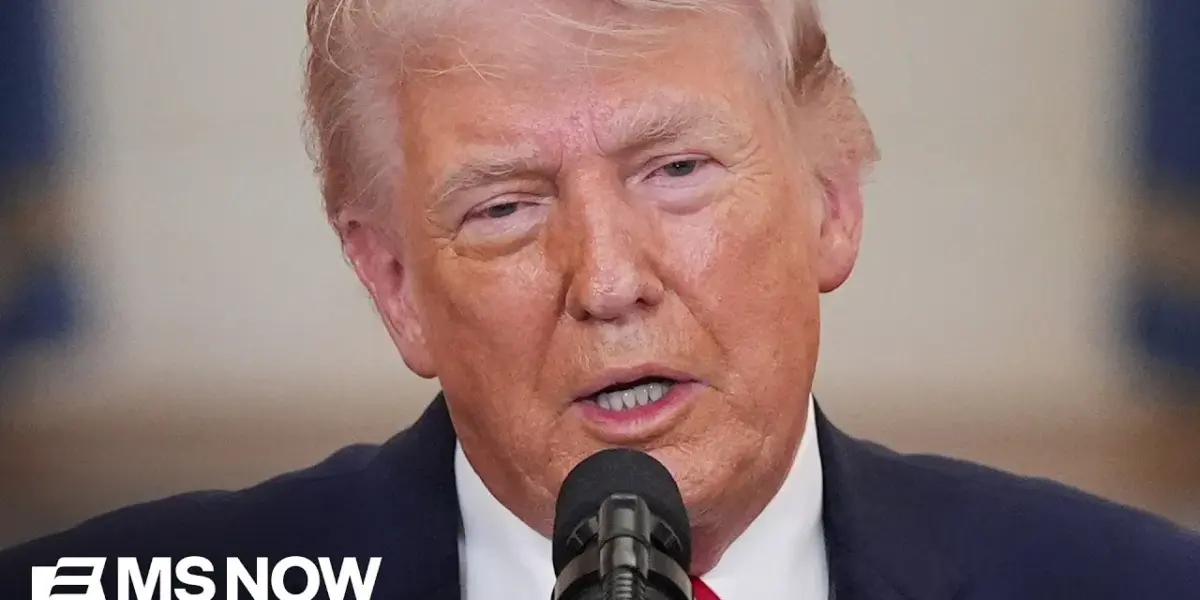
Trump Addresses Nation on Iran War, Offers Few New Insights
On the 33rd day of his administration’s conflict with Iran, President Donald Trump addressed the nation in a primetime speech. Many Americans tuned in with questions about the war’s direction. They wondered if Trump would announce a withdrawal of U.S. forces, outline an endgame, or even call for more troops on the ground. Instead, the President largely repeated talking points that have been consistent since the war began.
President Claims Swift, Decisive Victories
Trump declared that American forces had achieved “swift, decisive, overwhelming victories” on the battlefield. He stated that Iran’s Navy was “gone,” its air force “in ruins,” and many of its leaders dead. The President asserted that the U.S. was “on track to complete all of America’s military objectives shortly.” He also vowed to “hit them extremely hard over the next two to three weeks” and “bring them back to the stone ages.”
Economic Concerns and Shifting Blame
The speech offered little acknowledgment of the economic pain caused by the conflict, particularly rising gas prices. Trump did attempt to shift blame for the increased cost at the pump. He claimed the short-term rise was entirely due to “deranged terror attacks” by the Iranian regime against commercial oil tankers. However, critics pointed out that the Strait of Hormuz was open before the war started. They argue Trump’s actions are the reason it is now closed. Iranian officials have also indicated the strait will not reopen easily after the conflict.
Critique of Trump’s Claims on Iran’s Nuclear Program
Former U.S. Ambassador to Russia, Michael McFaul, criticized Trump’s remarks, particularly his claims about denying Iran a nuclear weapon. McFaul stated that Trump used “disinformation” to describe President Obama’s policies. He clarified that all U.S. presidents, regardless of party, agree Iran should not have a nuclear weapon. The disagreement, he explained, is over how to achieve that goal. McFaul argued that the Obama administration used diplomacy to deny Iran nuclear-grade enrichment for 15 years. He contrasted this with Trump’s decision to withdraw from the deal, which he believes allowed Iran’s enrichment levels to rise significantly.
Modest Goals and Declaring Victory
McFaul also noted that Trump seemed to be setting more modest goals for the war. These included destroying Iran’s Navy and air force, rather than explicitly mentioning reopening the Strait of Hormuz or regime change. Trump claimed regime change had already occurred, despite Iran remaining a theocratic dictatorship. McFaul suggested this strategy aims to allow Trump to declare victory within the coming weeks by focusing on a narrower set of objectives.
Repetitive Message, Mixed Audiences
MSNBC Daily writer Hayes Brown commented that Trump’s address felt like a recitation of his social media posts. He observed that Trump often avoids taking firm positions, instead saying what he believes different audiences want to hear. This includes assuring investors about the war ending soon to lower oil prices, while also threatening harsh military action to appeal to his base. Democratic strategist Basil Smichel agreed that Trump was addressing multiple audiences. He identified investors and the Republican base as key groups. However, Smichel noted that Trump failed to speak to independent voters, Latinos, and young men, demographics that are reportedly drifting away from him. He also suggested congressional Republicans might be confused by the speech, especially in an important election year.
Business Community’s Concerns
Financial journalist Ron Insana highlighted the concerns of the business community. Wall Street, he said, did not hear what it wanted, as Trump indicated the conflict would continue for several more weeks. Insana also pointed to Trump’s threats of hitting civilian infrastructure, which he equated to potential war crimes. This, he suggested, contributed to a drop in Dow futures and a rise in oil prices. Beyond oil, Insana warned of broader economic impacts, including disruptions to fertilizer deliveries, energy products, and even helium needed for semiconductor manufacturing.
Looking Ahead
As the conflict with Iran continues, attention will focus on whether President Trump’s stated objectives are met and how the economic consequences unfold. The effectiveness of his communication strategy in reaching key voter demographics, particularly independents, will also be closely watched in the upcoming election cycle.
Source: 'Disinformation': Trump uses primetime address to trot out familiar Iran talking points (YouTube)

Related Articles

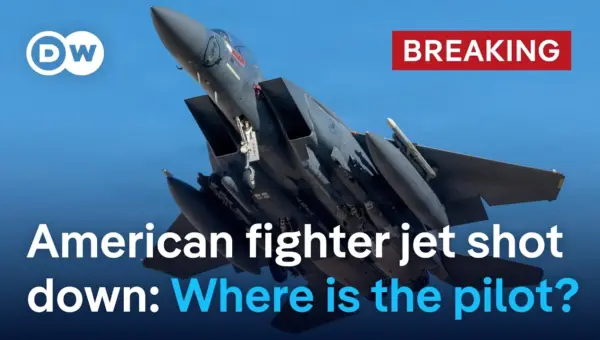
US Jet Downed in Iran: Crew Fate Unknown, War Unpopular
An American F-15 fighter jet has been shot down over Iran, with U.S. officials confirming the loss but offering few details on the crew's fate. The incident occurs amid widespread public opposition to the war and raises questions about Iran's air defense capabilities.
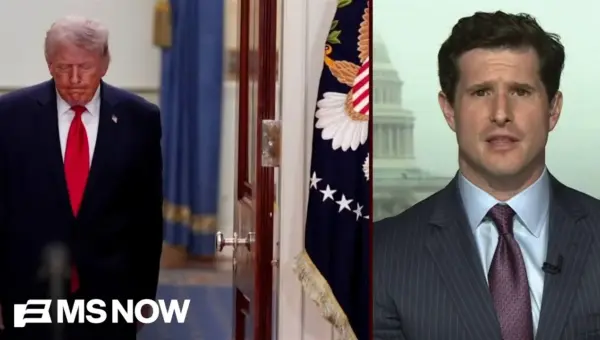
Trump Weighs War Exit Amid Iran Strikes and Internal Debate
President Trump is reportedly facing internal debate over how to end the escalating conflict with Iran, according to a new Time Magazine report. While publicly vowing to increase strikes, privately Trump seeks an "off-ramp" to declare victory and avoid domestic backlash, even as advisors express surprise at Iran's retaliatory attacks.

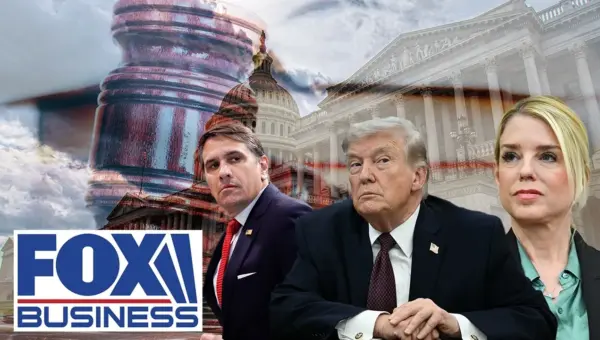
Trump Ousts AG Bondi, Eyes Zeldin as Successor
Pam Bondi is out as Attorney General after one year, with Deputy AG Todd Blanche serving as Acting AG. President Trump confirmed the departure, praising Bondi and hinting at a new private sector role. Lee Zeldin is reportedly being considered as Bondi's permanent replacement, amid ongoing speculation about other cabinet changes.