US Debates NATO’s Value Amid Global Power Shifts
The United States is re-evaluating its commitment to NATO, a key military alliance formed after WWII. Vocal criticisms, echoing historical concerns about burden-sharing, highlight the ongoing debate over the alliance's value. With 32 members and new additions like Finland and Sweden, NATO faces evolving threats while members grapple with defense spending commitments.

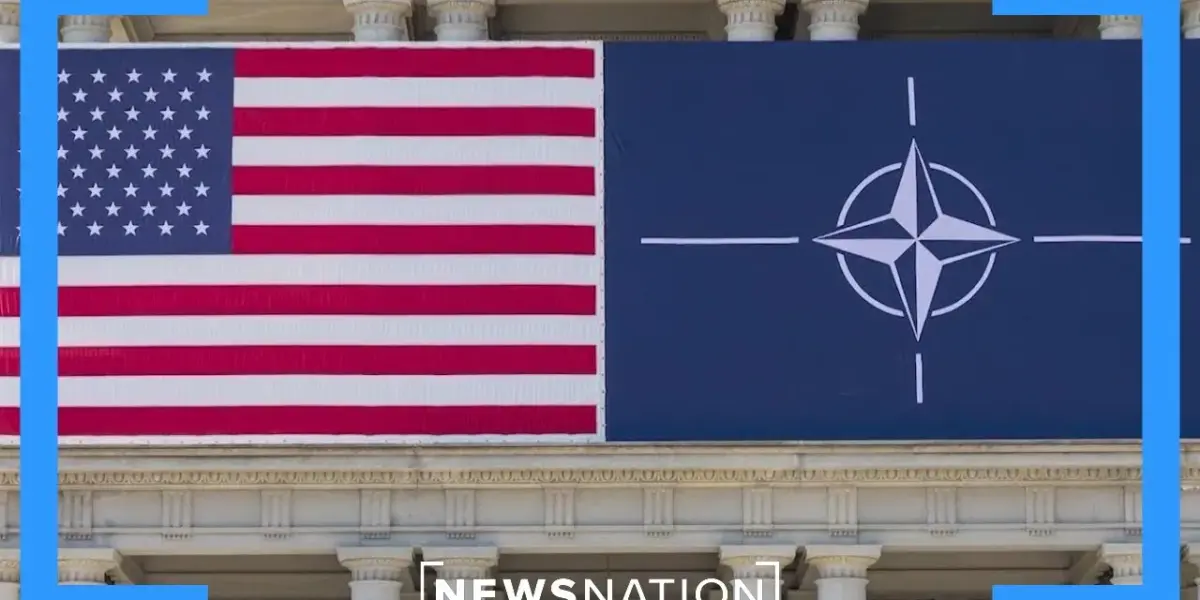
US Debates NATO’s Value Amid Global Power Shifts
The United States is currently examining its role within the North Atlantic Treaty Organization (NATO), a military alliance formed after World War II. This discussion comes as global tensions rise, particularly with ongoing conflicts and shifting international dynamics. The debate centers on whether continued U.S. membership in NATO serves the nation’s best interests in the current world climate.
Trump’s Criticism of NATO
Former President Donald Trump has been a vocal critic of NATO for years. He has called the alliance a “paper tiger” and a “one-way street.” These criticisms began long before his presidency, dating back to his 2016 campaign. He argued then that NATO was outdated and that many member countries were not paying enough for their own defense. This idea that allies should contribute more financially to shared security is not new.
Historical Precedents for Funding Concerns
Concerns about allies not contributing their fair share to defense spending have been raised by U.S. leaders across different political parties. For example, President John F. Kennedy expressed similar frustrations in 1963. He spoke about other NATO nations not paying enough, particularly regarding the U.S. commitment to West Berlin during the Cold War. However, even then, President Kennedy believed that U.S. involvement in NATO was ultimately in America’s best interest.
What is NATO?
NATO, or the North Atlantic Treaty Organization, was created in 1949. It was formed in the years following World War II and at the start of the Cold War. The main goal was to counter the threat posed by the Soviet Union. Initially, 12 countries signed the treaty, including the United States and the United Kingdom. NATO aimed to achieve three key objectives:
- Deter Soviet expansion into Western Europe.
- Limit the rise of aggressive nationalism, especially in Europe, referring partly to post-war Germany.
- Encourage political cooperation in a Europe devastated by war.
The Core Principle: Collective Defense
The foundation of NATO is the principle of collective defense. This means that an attack on one member country is considered an attack on all members. This crucial idea is outlined in Article 5 of the NATO treaty. Article 5 has only been invoked once in NATO’s history. This happened after the terrorist attacks on September 11, 2001, in the United States.
NATO Today: Expansion and Responsibilities
Today, NATO has 32 member nations. The newest members are Finland and Sweden, both of which joined after Russia’s invasion of Ukraine. All 32 members are expected to uphold the principle of collective defense. Beyond this, each member has other important duties to the alliance:
- Members must continuously develop and maintain their ability to resist an attack, meaning they must be able to defend themselves.
- Each nation must be committed to democratic values, individual freedom, human rights, and the rule of law.
- Members are expected to consult with each other to address threats as a united group.
- Each country should have civil preparedness plans to resist and recover from attacks, including on infrastructure.
- Member forces must be able to work together effectively with other allied forces.
These responsibilities all work towards ensuring readiness for collective defense if it is ever needed.
Funding NATO: Defense Spending Commitments
When it comes to funding, NATO members have agreed on defense spending targets. While spending on national defense is voluntary for each country, there are guidelines to ensure military readiness. As of 2023, members pledged to spend at least 2% of their Gross Domestic Product (GDP) on defense. There are plans to increase this to 5% by 2035. It’s important to understand that this money goes into each country’s own military budget. There is a small separate budget for NATO’s operating costs, but no central fund that members contribute to for defense spending. Countries with smaller economies naturally have smaller military budgets.
Meeting Defense Targets
Even as recently as 2024, not all members were meeting the 2% GDP target for defense spending. However, by 2025, all 32 NATO members are expected to meet this goal. This has been driven by a rapid increase in spending following Russia’s invasion of Ukraine. The question for the United States remains: is NATO membership worth it? Given that the U.S. has the world’s largest economy and contributes nearly double the expected amount compared to other NATO members to its own defense, the value proposition is under scrutiny.
Global Impact: NATO’s Evolving Role
The ongoing debate about NATO’s value and the U.S. commitment highlights a critical juncture for international security. Historically, NATO was a bulwark against Soviet expansion, ensuring peace and stability in Europe during the Cold War. Its core principle of collective defense has been a powerful deterrent. The alliance’s expansion to include countries like Finland and Sweden, particularly after Russia’s 2022 invasion of Ukraine, shows NATO adapting to new threats. However, the U.S. funding debate, echoing concerns from decades past, suggests internal pressures within the alliance. The U.S. contributes significantly to NATO’s overall strength, both militarily and financially. Any change in U.S. commitment could fundamentally alter the balance of power in Europe and beyond. It also raises questions about how European security will be managed if the U.S. role diminishes. The alliance’s future effectiveness hinges on its members’ willingness to share burdens and adapt to evolving global challenges, from state-sponsored aggression to cyber warfare and terrorism.
Source: What is NATO’s role as the war in Iran continues? | Jesse Weber Live (YouTube)

Related Articles

Ukraine Strikes Russian Oil Hubs, Crippling Exports
Ukrainian strikes on Russian oil export terminals are crippling Russia's ability to sell oil, impacting its war funding. This strategy, supported by U.S. policy, targets Russia's core economy and exploits its limited storage capacity, potentially leading to long-term damage to its energy sector.
North Korea Sells Arms, Labor to Russia
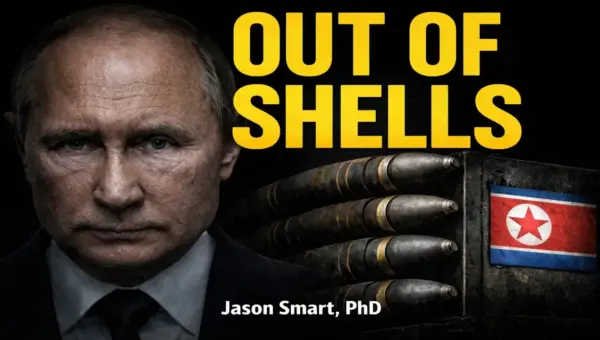
Russia's reliance on North Korea for artillery shells and labor highlights Moscow's weakening military and economic position. Meanwhile, China leverages Russia's dependence for strategic gain, demonstrating a significant shift in regional power dynamics.
Iran Downs US F-15; One Pilot Rescued, Second Missing
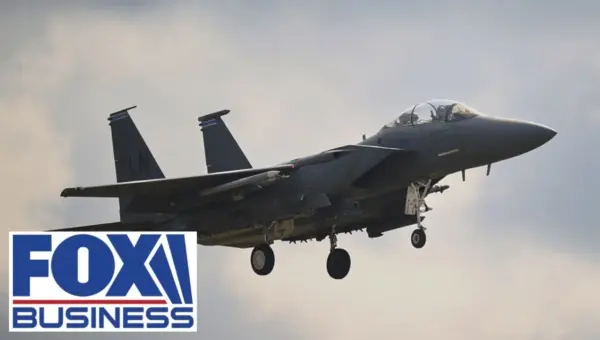
A U.S. F-15 fighter jet has been shot down over Iran, with one pilot rescued and a search underway for the second. Iran is leveraging the incident for propaganda purposes, while the U.S. prioritizes the rescue mission.