NATO Allies Block U.S. Access: Is the Alliance Still Worth It?
Senator Marco Rubio questions NATO's value to the U.S. after allies denied access for critical operations. He argues this unbalanced support requires a re-examination of the alliance's benefits for America.

NATO Allies Block U.S. Access: Is the Alliance Still Worth It?
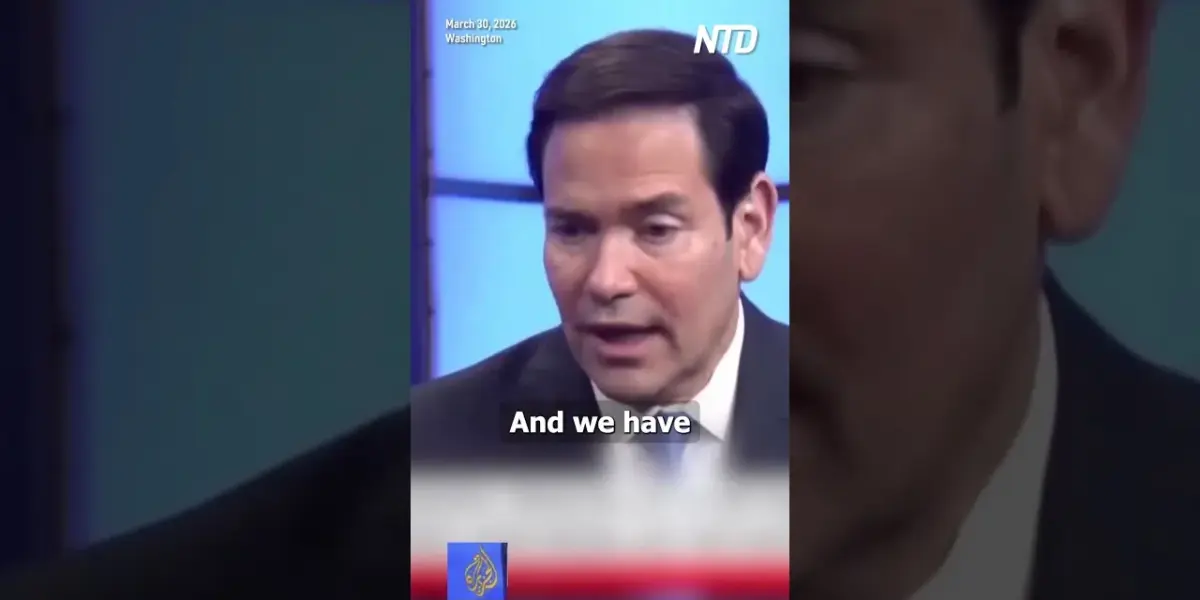
Senator Marco Rubio recently raised a critical question about the North Atlantic Treaty Organization (NATO). He pointed out that some NATO member countries, like Spain, have denied the United States access to their bases and airspace. This happened even when the U.S. felt there was a serious risk to its national security. Rubio argued that this kind of treatment makes it hard to see the benefit of NATO for America. He believes this situation requires a serious re-evaluation of the alliance.
What is NATO and Why Does the U.S. Value It?
NATO, or the North Atlantic Treaty Organization, was formed in 1949. Its main goal was to provide collective security against the Soviet Union. Essentially, an attack on one member is considered an attack on all. For the United States, NATO has offered significant advantages over the years. One major benefit is access to basing rights in various parts of the world, especially in Europe.
These basing rights allow the U.S. to station troops, aircraft, and weapons in locations it wouldn’t normally have access to. This capability is crucial for responding to global crises and protecting U.S. interests. It provides flexibility and operational power around the world. Senator Rubio himself has been a strong supporter of NATO, partly because of these strategic advantages.
When Allies Say No: A Growing Concern
The core issue Rubio highlighted is what happens when the U.S. needs to use these allied facilities for its own national security needs. He described a situation where the U.S. identified a grave risk and needed to conduct an operation. However, a NATO ally, Spain, denied the use of its bases and airspace. Even worse, Spain reportedly bragged about this denial. Other countries have also reportedly done the same.
This action directly contradicts the spirit of mutual defense that NATO is built upon. While NATO ensures members will defend each other if attacked, the U.S. is finding that its allies may not always support U.S. operations, even when vital U.S. interests are at stake. This creates a one-sided arrangement, according to Rubio’s argument.
The Argument for Re-examination
Rubio’s point is straightforward: if NATO is primarily about defending Europe from attack, but then European allies deny the U.S. critical access when it needs it, the arrangement is unbalanced. He stated, “if NATO is just about us defending Europe if they’re attacked, but them denying us basing rights when we need them, that’s not a very good arrangement.” This raises the question of what the U.S. truly gets out of the alliance if its operational freedom is restricted by the very members it is sworn to protect.
The senator believes that this situation is “hard one to stay engaged in and say this is good for the United States.” Therefore, he concludes that “all of that’s going to have to be re-examined.” This suggests a potential shift in how the U.S. views its commitment to NATO, pushing for a clearer understanding of mutual benefit and reciprocal support.
Why This Matters
This situation highlights a potential strain within NATO. It questions the fundamental premise of a mutual defense alliance when members do not extend the same level of cooperation to each other’s critical security needs. For the United States, the ability to project power and respond to threats globally is a cornerstone of its foreign policy. If key allies hinder these operations, it directly impacts U.S. security and its role on the world stage.
Implications and Future Outlook
The implications of this are significant. If the U.S. perceives NATO as increasingly one-sided, its long-term commitment could waver. This could weaken the alliance itself, potentially emboldening adversaries. It also forces a broader conversation about burden-sharing and the expectations within military alliances. Allies need to understand that the U.S. expects reciprocal support, not just for its own operations, but for the collective security the alliance is meant to provide.
Looking ahead, this re-examination could lead to several outcomes. It might result in renegotiated agreements with NATO members regarding basing and operational access. Alternatively, it could push the U.S. to seek alternative arrangements or reduce its reliance on existing NATO structures for certain operations. The future of the alliance may depend on how effectively these concerns about mutual benefit and operational support are addressed by all member nations.
Historical Context
NATO was formed during the Cold War as a bulwark against Soviet expansion. For decades, it provided a framework for collective defense that was crucial for European stability. The U.S. played a leading role, and its military presence in Europe was a key component of the alliance’s strength. However, the geopolitical landscape has changed dramatically since the end of the Cold War. The threats and challenges facing the West are now more diverse, including terrorism, cyber warfare, and the rise of new global powers.
While NATO has adapted to these new realities, the core principle of mutual defense remains. The recent events described by Senator Rubio suggest that the practical application of this principle, particularly concerning U.S. operational needs, may need updating. The alliance must ensure that its members are not only willing to defend each other’s territory but also willing to support each other’s vital security operations when needed.
Source: Rubio Warns NATO Membership Must Be Reexamined After Allies Deny US Operational Access (YouTube)

Related Articles


China’s Global Reach Faces Setbacks Amidst Internal Turmoil
China's international influence is facing growing opposition and internal challenges. From strategic island disputes and diplomatic overtures towards Taiwan to domestic unrest and technological failures, Beijing's global ambitions are encountering significant setbacks. These events signal a complex geopolitical landscape where China's power is being tested on multiple fronts.
Canada Hits NATO’s 2% Defense Spending Target
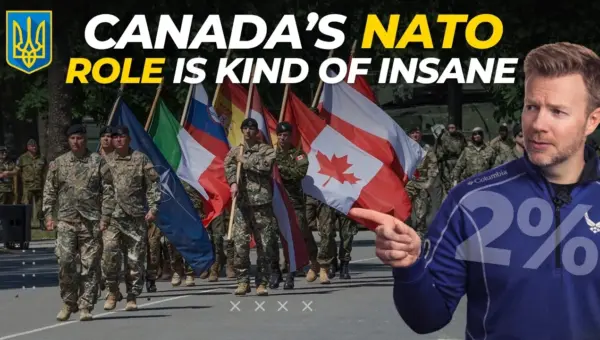
Canada has finally met NATO's 2% of GDP defense spending target, a goal set in 2014. However, the country's actual military contributions and aid to Ukraine have been significant for years, often exceeding what the spending percentage reflects. Analysts emphasize that actual capabilities and strategic actions matter more than a simple financial benchmark.

US Policy Shift Stuns Allies, Weakens Global Security
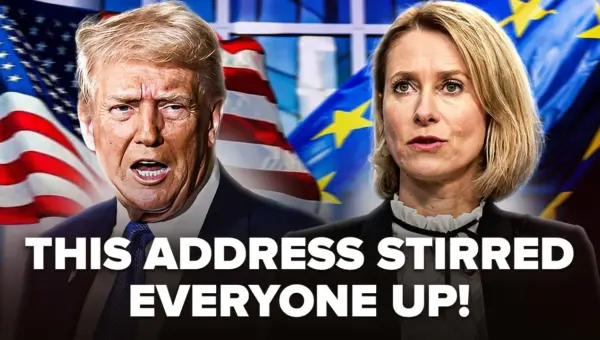
US policy shifts regarding Ukraine, the Strait of Hormuz, and NATO are raising concerns among allies and creating global instability. Critics point to a lack of strategic planning and diplomatic consultation, potentially emboldening adversaries and undermining international security.