Ukraine’s Drone Industry Challenges EU Defense Giants
A Ukrainian drone manufacturer challenges European defense giants, arguing that battlefield innovations are outpacing traditional military production. Figures show Ukrainian drones inflict the majority of Russian army losses, prompting questions about the relevance of legacy European defense systems.

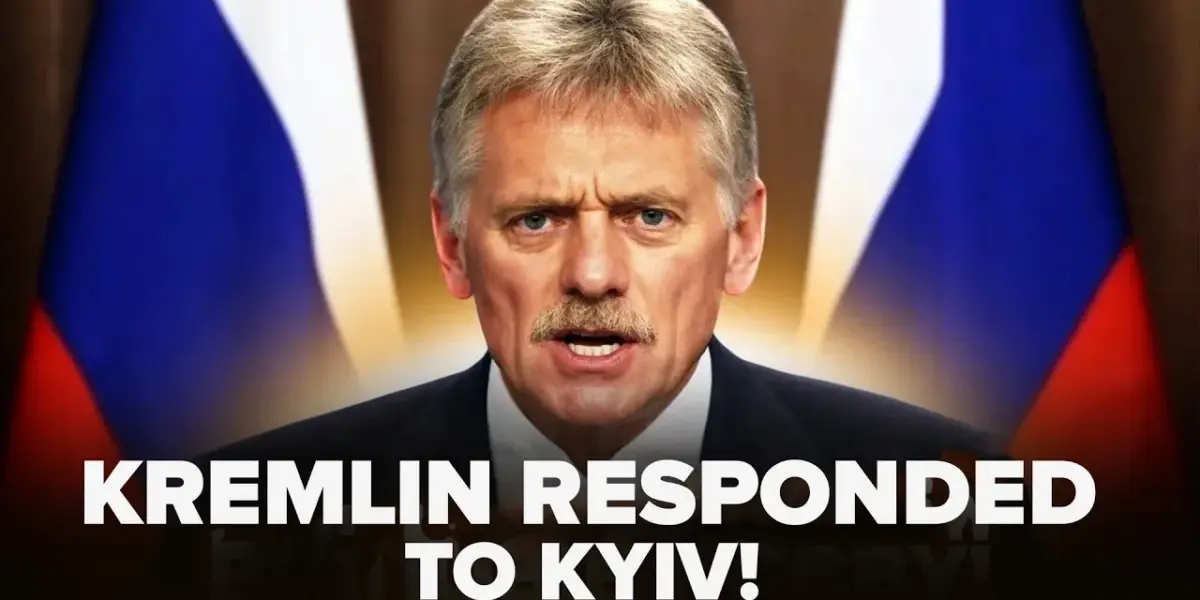
Ukraine’s Drone Industry Challenges EU Defense Giants
A prominent Ukrainian drone manufacturer has directly challenged European defense companies, particularly Germany’s Rheinmetall, asserting that Ukraine’s battlefield innovations are outpacing traditional military production. The founder of TAFF Industries, Alexander Yakovenko, dismissed remarks by Rheinmetall CEO Armin Papperger, who reportedly referred to Ukrainian drone makers as “Ukrainian housewives with 3D printers.” Yakovenko argued that such comments reveal a fundamental misunderstanding of modern warfare by the European defense establishment.
Drones Dominate Battlefield Losses
Yakovenko presented figures suggesting the significant impact of Ukrainian drones. He stated that in 2025 alone, Ukrainian drones conducted over 819,000 confirmed strikes. These strikes accounted for 90% of all combat losses inflicted on the Russian army, a figure higher than losses from all other weapon types combined. He highlighted that a single Ukrainian company, TAFF Industries, can produce up to 100,000 FPV (First-Person View) drones monthly.
According to Yakovenko, the drones produced by his company achieve more confirmed enemy kills in a 90-day period than Rheinmetall’s entire fleet of vehicles has in its history. He emphasized that TAFF Industries achieved these results in just two years, contrasting this with the decades-long development cycles of traditional defense manufacturers. This rapid iteration and production capability, he argued, reflects a new reality on the battlefield.
Shifting Warfare Dynamics
The article highlights a critical shift in military effectiveness. Russian electronic warfare, Yakovenko explained, has significantly reduced the impact of Western GPS-guided munitions like Excalibur and GMLRS. These expensive and complex systems, designed for conventional warfare, are now vulnerable to much cheaper drones. The cost-effectiveness has dramatically shifted, with a single drone costing between $500 and $2,000, while a single Rheinmetall 120mm shell or anti-tank missile costs considerably more.
“The cost to effect ratio has flipped. A single rhinmetal 120 mm shell or an anti-tank missile costs more than a dozen of our drones. Yet our drones are the ones winning.”
Alexander Yakovenko, founder of TAFF Industries
Yakovenko described the current conflict as the “first true industrial drone war.” He noted that Ukrainian workshops are iterating and innovating weekly, even rebuilding factories destroyed by missiles within weeks. Parts are printed in basements, enabling mass production of strike systems. This stands in contrast to the lengthy certification processes for even minor updates in traditional European defense firms, which can take years and cost hundreds of millions of euros.
Geopolitical and Strategic Context
The comments come amid ongoing discussions about military aid and the future of defense production. The assertion that European platforms are becoming irrelevant unless they integrate drone technology suggests a potential need for a strategic re-evaluation by NATO and EU defense ministries. The rapid adaptation of Ukrainian industry, driven by battlefield necessity, presents a direct challenge to established business models and technological assumptions within the Western defense sector.
The transcript also touches on other geopolitical developments. Former President Trump indicated that Iran was ready for a ceasefire after “very good negotiations,” and mentioned a significant flow of Iranian oil. Separately, a leaked phone conversation between Russian Foreign Minister Sergey Lavrov and Hungarian Foreign Minister Péter Szijjártó suggested Hungary’s willingness to help Russia bypass sanctions, with Szijjártó promising to assist in delisting an individual from EU sanctions. This interaction underscores ongoing diplomatic efforts that skirt international sanctions regimes.
Mobilization Efforts in Ukraine
In a separate development, the Commander-in-Chief of the Armed Forces of Ukraine, Oleksandr Syrskyi, addressed the ongoing mobilization efforts. He stated that the primary goal is to make the mobilization process as smooth and legally compliant as possible for citizens. Syrskyi acknowledged that trained personnel are now the most critical need for the armed forces, more so than ammunition. He rated the current mobilization process at a six or seven out of ten, expressing a desire for it to be more efficient while ensuring no legal violations occur.
Source: 😱Moscow urgently addressed Zelenskyy! Peskov couldn’t hold back on ceasefire @TheBriefRight (YouTube)

Related Articles
Ukraine War: Russian Offensive Falters, Support Holds Firm
Russia's spring offensive appears to be faltering, with Ukraine demonstrating resilience and tactical prowess. Historical parallels to past conflicts highlight Russia's logistical struggles and conduct, while international support for Ukraine remains strong. The evolving landscape of modern warfare, particularly drone technology, is being shaped by lessons learned on the Ukrainian battlefield.
Ukraine’s Drones Strike Deep Behind Russian Lines
Ukraine is increasingly using heavy bomber drones like the 'Vampire' to strike Russian positions. In February, these drones supported counterattacks that reclaimed territory. Despite facing electronic warfare and drone losses, Ukraine sees these unmanned systems as vital for survival and pushing back the invasion.

Ukraine’s Drone Industry Soars: A Digital Battlefield Marketplace
Ukraine's defense industry has rapidly evolved, creating an "Amazon for drones" where military units order tailored equipment online. This rapid scaling, driven by wartime necessity and state support, has transformed companies like Taff Drones into major European producers.