Iran Tensions Spark Oil Jitters; US Economy Strong
Recent attacks on oil tankers by Iran have caused a short-term jump in gasoline prices, raising concerns about nuclear proliferation. Despite global tensions, the U.S. economy is described as being in its strongest position ever, with record investments and energy independence.

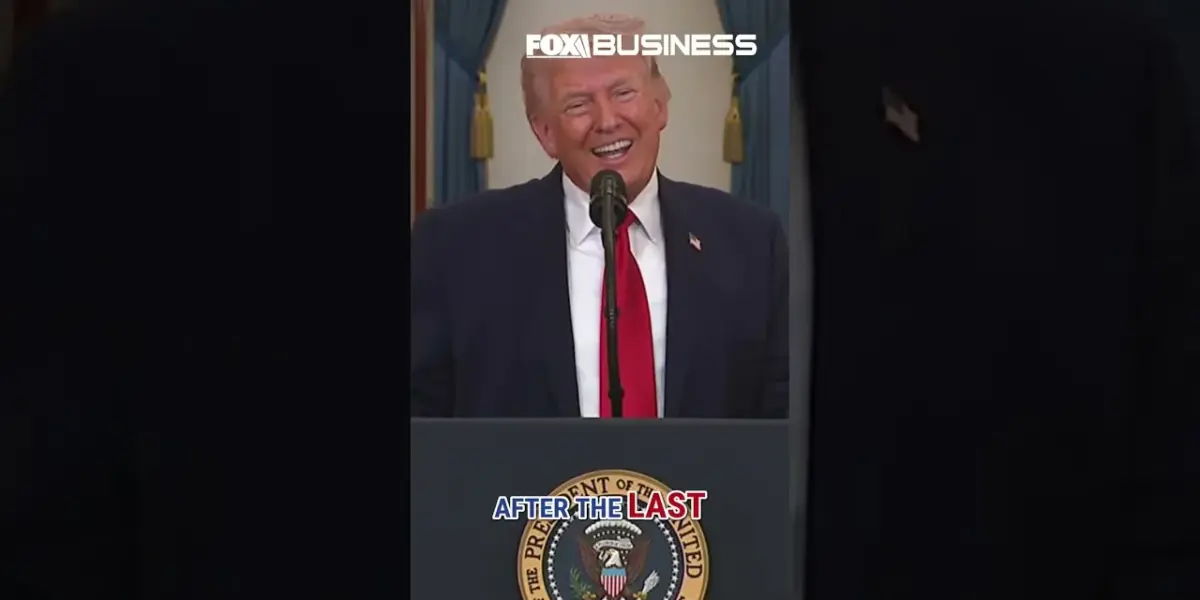
Iran Tensions Spark Oil Jitters; US Economy Strong
Recent attacks on oil tankers by Iran have caused a short-term jump in gasoline prices. These actions, described as terror attacks, are seen as a sign that Iran cannot be trusted with nuclear weapons. The threat of Iran obtaining nuclear arms could lead to decades of economic hardship and instability.
Despite these global concerns, the United States is presented as being in a strong economic position to handle such threats. The economy is described as having been rebuilt from a weak state into the strongest in history. This turnaround is marked by record investments and a booming stock market.
Economic Turnaround and Investment Boom
In just one year, the U.S. economy has reportedly gone from being “dead and crippled” to the “hottest country anywhere in the world.” This transformation allegedly occurred with no inflation. Record-setting investments totaling over $18 trillion have flowed into the United States. The stock market has also reached new heights, with 53 all-time record highs achieved within a single year.
This economic strength is seen as key to addressing the threat posed by Iran’s nuclear ambitions. The administration’s policies are credited with positioning the U.S. to confront this long-standing issue. Iran’s leaders, it is suggested, did not anticipate this level of U.S. economic readiness.
Energy Independence and Global Oil Market
A significant factor in the U.S. economic preparedness is its energy independence. Through policies like “drill baby drill,” America now has an abundance of oil and gas. The U.S. has become the number one producer of oil and gas globally. This production level surpasses that of Saudi Arabia and Russia combined. Millions of barrels of oil are also being sourced from Venezuela.
The U.S. now imports very little oil through the Strait of Hormuz and expects this trend to continue. This reduces the nation’s vulnerability to disruptions in that critical shipping lane. The administration claims Iran has been “decimated” militarily and economically, weakening its ability to pose a threat.
International Responsibility for Oil Passage
Countries that rely on oil passing through the Strait of Hormuz are being urged to take more responsibility for its security. While the U.S. will offer assistance, these nations are expected to lead the effort in protecting the oil supplies they depend on. This approach shifts some of the burden of securing global oil routes to the nations that benefit most directly.
Market Impact
The immediate market impact of the attacks on oil tankers has been a rise in gasoline prices. This is a direct consequence of perceived supply chain risks. However, the broader narrative suggests that the U.S. economy’s strong foundation and energy independence can mitigate the long-term effects of such geopolitical events. Investors may watch for further escalation in the Middle East, which could lead to more volatility in energy markets. The strength of the U.S. economy, as described, could provide a buffer against global instability.
What Investors Should Know
Investors are faced with a complex situation. Geopolitical tensions, particularly in the Middle East, can directly impact energy prices and corporate earnings. The narrative presented highlights the U.S. as being uniquely positioned due to its energy production and economic strength. This suggests that while global events create risks, the domestic economic environment might prove resilient. Those investing in energy sectors may see short-term gains from price increases, but long-term stability will depend on the de-escalation of conflicts and consistent economic policy. The emphasis on U.S. energy independence is a crucial point for understanding potential market movements and sector performance.
Source: Trump: US has NEVER been more economically prepared to confront this threat (YouTube)

Related Articles


US Pilot Feared Lost in Iran; Search Underway
The U.S. military is conducting a search operation inside Iran for an American pilot whose fighter jet may have been downed. Details are limited, with uncertainty over whether the plane was shot down or suffered mechanical failure. The operation highlights the complexities of rescue missions in hostile territory and occurs amid heightened regional tensions.


US Policy Shift Stuns Allies, Weakens Global Security
US policy shifts regarding Ukraine, the Strait of Hormuz, and NATO are raising concerns among allies and creating global instability. Critics point to a lack of strategic planning and diplomatic consultation, potentially emboldening adversaries and undermining international security.
Strait of Hormuz Tensions Risk Wider Middle East War
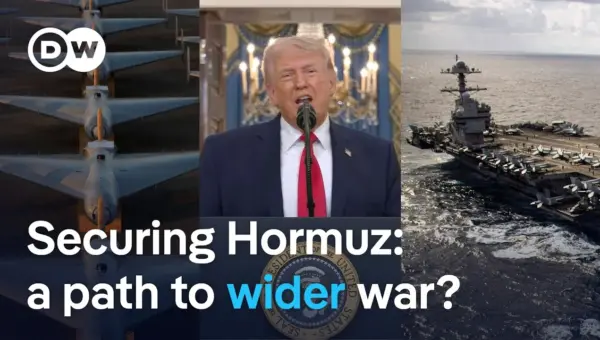
Efforts to secure the vital Strait of Hormuz risk triggering a wider Middle East war, according to UN warnings and security analysts. The narrow waterway is crucial for global trade, and forcing it open against Iran's objections could escalate regional tensions dramatically. Experts highlight the complex geography, Iran's remaining military capabilities, and the involvement of regional players as key factors in the volatile situation.