Trump Calls Iran Tensions a ‘Problem,’ Not War, Velshi Scolds
Journalist Ali Velshi strongly criticized former President Donald Trump for refusing to call the escalating conflict with Iran a "war," labeling the language as "bull****." Trump described the situation as a "problem," a distinction Velshi argued is a political tactic to avoid accountability. The ongoing tensions in the Strait of Hormuz highlight the critical difference between diplomatic language and the reality of armed conflict, with significant global implications.

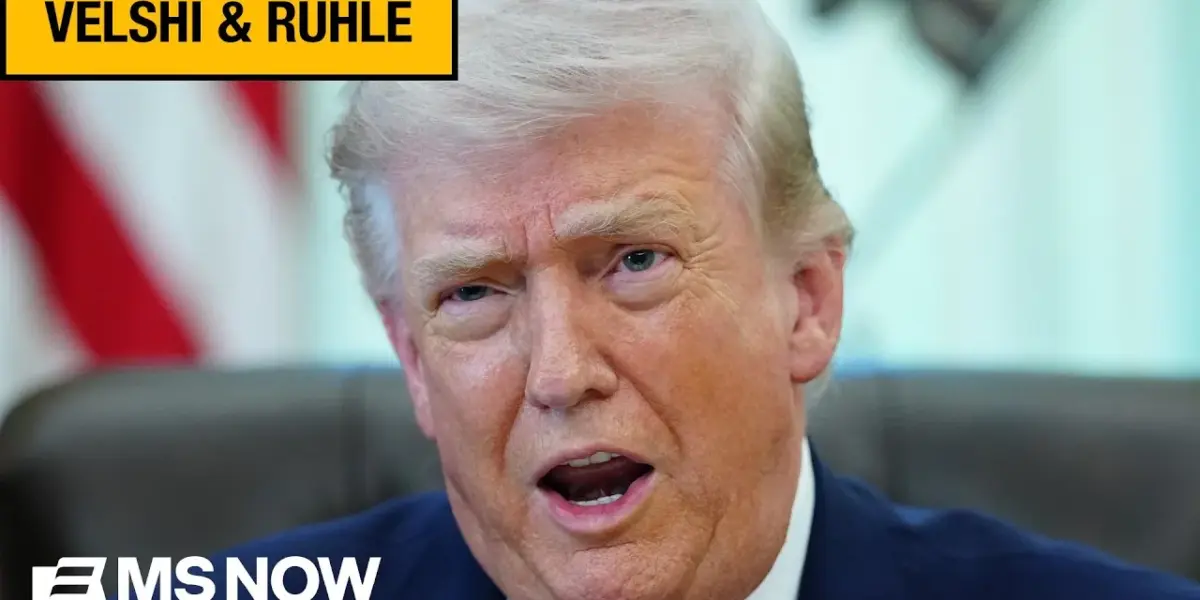
Trump Declines to Label Iran Conflict a ‘War’
Former President Donald Trump is facing criticism for his choice of words regarding the escalating tensions between the United States and Iran. Speaking in South Carolina, Trump described the situation as a “problem” and a “very bad situation,” but notably avoided calling it a “war.” This stance has drawn sharp rebukes from journalists and political commentators who argue that the events unfolding clearly constitute armed conflict.
Velshi Slams Trump’s Language as ‘Bull****’
MSNBC host Ali Velshi did not hold back in his assessment of Trump’s remarks. During a live segment on MS NOW with Stephanie Ruhle, Velshi called the former president’s refusal to use the word “war” “bull****.” He argued that actions like the recent attacks on shipping in the Strait of Hormuz, which involved Iran shooting down a drone and the U.S. responding with force, are undeniably acts of war. “This is bull****. This is a war,” Velshi stated emphatically.
Velshi explained that the deliberate choice to not use the word “war” is a political tactic. It allows leaders to avoid the legal and political obligations that come with formally declaring or acknowledging a state of war. This includes seeking congressional approval and managing public perception. The implications of such language, or lack thereof, are significant for international relations and domestic policy.
Understanding the Strait of Hormuz Conflict
The Strait of Hormuz is a critical waterway connecting the Persian Gulf to the open ocean. It is a vital chokepoint for global oil supplies, with a significant percentage of the world’s oil passing through it daily. Recent incidents have significantly heightened tensions in this region.
These incidents include alleged attacks on oil tankers and the downing of a U.S. military drone by Iran. The United States has accused Iran of being behind these actions, while Iran has denied direct responsibility for some of the tanker incidents, though it acknowledged shooting down the drone. These events have led to increased military presence and heightened alert levels for all parties involved.
Why the Word ‘War’ Matters
The distinction between a “problem” and a “war” is more than just semantics, especially in international politics. In the United States, the Constitution gives Congress the power to declare war. Presidents have often found ways to engage in military actions without a formal declaration, which can lead to lengthy and costly conflicts without clear objectives or public consensus.
When leaders avoid the term “war,” it can obscure the reality of the situation for the public. It can also be used to bypass the checks and balances designed to prevent unnecessary military engagement. Velshi and Ruhle suggested that Trump’s language is a way to manage political fallout and potentially avoid accountability for actions that are, in effect, warfare.
Broader Implications and Geopolitical Stakes
The situation in the Strait of Hormuz has far-reaching consequences. It impacts global energy markets, as any disruption can cause oil prices to surge worldwide. It also affects regional stability, potentially drawing other countries into the conflict. The United States’ relationship with its allies is also tested, as cooperation is crucial in managing such international crises.
The differing interpretations of the events highlight the complex geopolitical dynamics at play. Iran seeks to assert its regional influence and challenge U.S. dominance, while the U.S. aims to protect its interests and allies in the region. The rhetoric used by political leaders plays a significant role in shaping public opinion and influencing diplomatic efforts.
What to Watch Next
As tensions remain high, all eyes are on the Strait of Hormuz and the diplomatic channels between the U.S. and Iran. The international community is watching closely to see if de-escalation is possible or if the situation will continue to spiral. Future actions by both nations, as well as the responses from global powers, will be critical in determining the path forward. The language used by leaders to describe these events will continue to be a key indicator of their intentions and the seriousness of the conflict.
Excerpt:
Journalist Ali Velshi strongly criticized former President Donald Trump for refusing to call the escalating conflict with Iran a “war,” labeling the language as “bull****.” Trump described the situation as a “problem,” a distinction Velshi argued is a political tactic to avoid accountability. The ongoing tensions in the Strait of Hormuz highlight the critical difference between diplomatic language and the reality of armed conflict, with significant global implications.
Source: 'This is bull****’: Velshi on Trump refusing to call the conflict in Iran a war (YouTube)

Related Articles

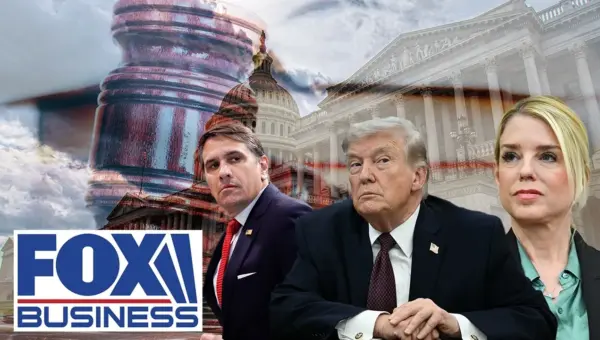
Trump Ousts AG Bondi, Eyes Zeldin as Successor
Pam Bondi is out as Attorney General after one year, with Deputy AG Todd Blanche serving as Acting AG. President Trump confirmed the departure, praising Bondi and hinting at a new private sector role. Lee Zeldin is reportedly being considered as Bondi's permanent replacement, amid ongoing speculation about other cabinet changes.

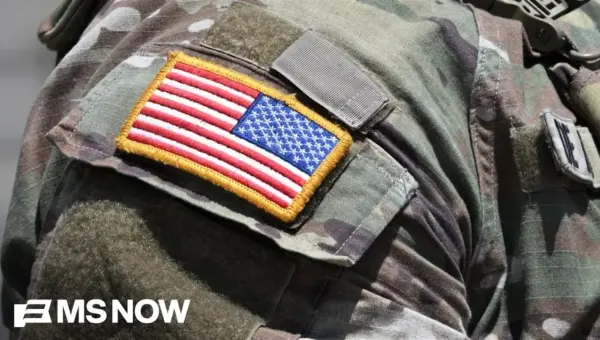
US Pilot Feared Lost in Iran; Search Underway
The U.S. military is conducting a search operation inside Iran for an American pilot whose fighter jet may have been downed. Details are limited, with uncertainty over whether the plane was shot down or suffered mechanical failure. The operation highlights the complexities of rescue missions in hostile territory and occurs amid heightened regional tensions.
US Policy Shift Stuns Allies, Weakens Global Security
US policy shifts regarding Ukraine, the Strait of Hormuz, and NATO are raising concerns among allies and creating global instability. Critics point to a lack of strategic planning and diplomatic consultation, potentially emboldening adversaries and undermining international security.