Trump’s Iran Strategy: Decisive Strike or Temporary Fix?
President Trump's upcoming address is expected to detail achievements in Iran operations, potentially including a timeline. Experts weigh in on the military strategy, the possibility of regime change, and China's role. The effectiveness of current actions versus the need for lasting political change remains a key question.

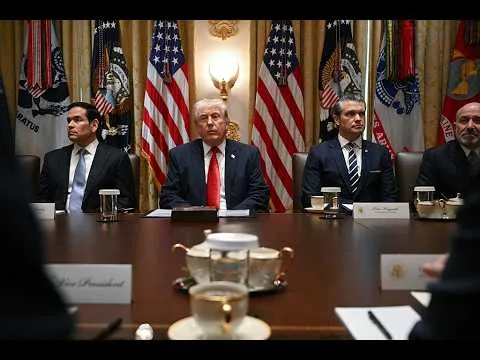
Trump’s Iran Address: A Nation on Edge
President Trump is set to address the nation tonight, a speech many believe will focus on the outcomes of recent military operations in Iran. Experts suggest the President will likely highlight achieved objectives and perhaps offer a timeline for de-escalation. However, past statements on timelines have shifted, leaving room for uncertainty. Even the announcement of the speech has had an effect, notably calming oil markets, suggesting a strategic communication effort is already underway.
Assessing the Military Campaign
The timeline for the operation, estimated by some officials to be as short as two to three weeks, is seen as flexible. The core goal appears to be degrading Iran’s military capabilities and, as the President has defined it, achieving regime change by targeting specific leadership elements. While significant progress may have been made, the ability for Iran to rebuild its capabilities remains a concern. This is especially true if the current Iranian government, or elements of it, remain in power.
Shifting Tactics: From Fixed Targets to Dynamic Strikes
The military campaign has evolved from a pre-planned list of targets to a more adaptive strategy. This “dynamic strike capability” allows U.S. forces to adjust their approach based on Iran’s responses. As Iran moves assets like missiles and drones, U.S. intelligence identifies these movements, enabling more effective strikes. This adaptability has reportedly led to a decline in Iranian attacks, though they have not yet ceased entirely. The use of B-52 bombers, capable of delivering heavy ordnance to underground facilities, further underscores the effort to neutralize Iran’s hidden military assets.
The Question of Boots on the Ground
A key debate centers on whether a lasting solution requires direct intervention, or “boots on the ground,” to ensure true regime change. While the current strategy aims to neutralize Iran’s immediate threat, the possibility of rebuilding remains if more radical leadership stays in power. The U.S. may be pursuing a strategy of “defanging” Iran’s military capacity rather than seeking a complete political overhaul. The President might be satisfied with the current level of disruption, even without a fundamental change in government.
Internal Dissent and External Support
The possibility of defections from within the Iranian regime is considered a positive development, particularly if military personnel are involved. Such defections could potentially fuel an internal uprising against the current leadership. However, the situation on the ground is complex, with the Iranian government actively denying any negotiations with the U.S. This denial is likely a survival tactic, as those seen as cooperating with external powers could face severe repercussions from hardliners. Without a new, more amenable government in place, Iran could rebuild its military programs with assistance from countries like China and North Korea.
China’s Role in the Geopolitical Chessboard
The incident involving an oil tanker headed for China, which was struck near Kuwait, highlights the intricate relationships at play. While Iran’s actions could be seen as a response to aggression, targeting a vessel bound for China might have been an error due to imperfect command and control, rather than a deliberate attempt to antagonize Beijing. China has an interest in mediating the conflict, both to secure its own energy needs and to enhance its global standing. The Strait of Hormuz is crucial for global oil transport, and any disruption significantly impacts oil-dependent nations like China.
Indicators of Regime Change
Identifying signs of genuine regime change requires looking beyond military actions. Public statements from within the Iranian regime that criticize current policies would be significant. A shift from rhetoric of victory and defiance to a desire for peace and normal relations would signal a potential change. Furthermore, widespread public demonstrations, especially those involving individuals with the means to resist security forces, could indicate a weakening of the current government’s hold. Support from resistance organizations offering a clear plan for a new government and independence would also be crucial indicators.
Why This Matters
The ongoing situation in Iran and President Trump’s address have far-reaching implications. The military strategy employed, whether focused on immediate capability degradation or long-term regime change, will shape regional stability. The involvement of global powers like China adds another layer of complexity. The potential for Iran to rebuild its military, with or without external help, poses a continuous threat. Ultimately, the success of any strategy will depend on whether it leads to a durable peace or merely a temporary pause in hostilities, leaving the door open for future conflict.
Looking Ahead: Durable Solutions
The path forward for Iran and its relationship with the international community remains uncertain. While military actions can achieve short-term goals, a lasting resolution likely requires a fundamental shift in Iran’s political landscape. The international community, including key players like China, will continue to watch closely. The hope is for a solution that not only addresses immediate security concerns but also promotes long-term stability and prevents the resurgence of threats. The current actions and potential outcomes discussed tonight will set the stage for these future developments.
Source: What to Expect From Trump’s Address to the Nation Tonight (YouTube)

Related Articles


Iran Downs US Jet, Escalating Mideast Tensions
Iran has reportedly shot down a U.S. fighter jet, prompting immediate search and rescue operations for the downed airmen. This incident significantly escalates regional tensions and could alter ongoing U.S. military plans against Iran. The event highlights the volatile nature of the Middle East and the potential for miscalculation.

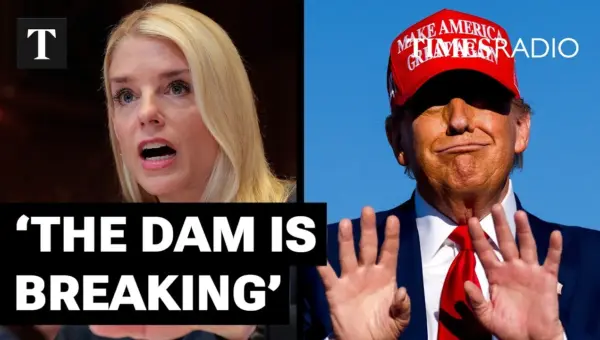
Trump Shakes Up Top Ranks Amid Iran Uncertainty
President Trump has initiated a series of high-profile firings, including the Attorney General and the Army's Chief of Staff, sparking uncertainty in Washington. These changes occur as the administration's strategy regarding Iran remains unclear. Meanwhile, Vice President JD Vance has been appointed "Fraud Czar," taking the lead on a new anti-fraud initiative.
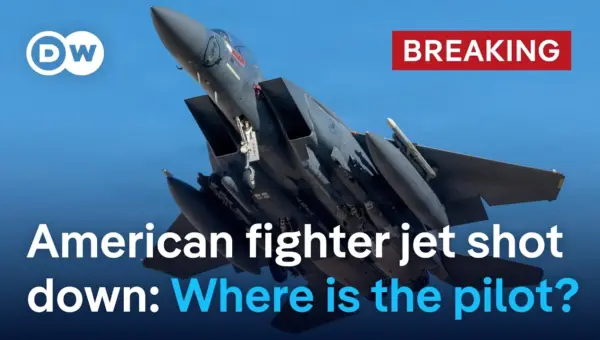
US Jet Downed in Iran: Crew Fate Unknown, War Unpopular
An American F-15 fighter jet has been shot down over Iran, with U.S. officials confirming the loss but offering few details on the crew's fate. The incident occurs amid widespread public opposition to the war and raises questions about Iran's air defense capabilities.