China’s Shadow Fleet Fuels Sanctioned Nations
A new report details how China uses a "shadow fleet" of old oil tankers to evade U.S. sanctions on Iran and Russia. This fleet delivers millions of barrels of sanctioned oil to China, helping both the sanctioned nations and China's own strategic reserves. The report also highlights sophisticated payment methods and the potential for these networks to be used for more than just oil.

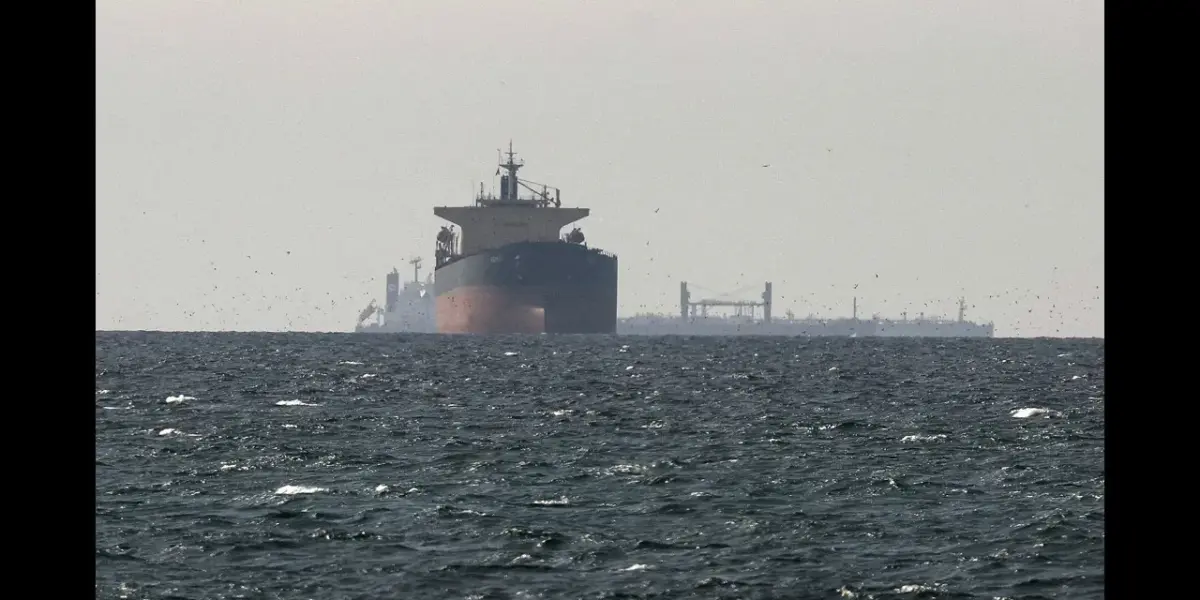
China’s Shadow Fleet Fuels Sanctioned Nations
A new report reveals how China uses a network of old, hard-to-track oil tankers, known as a “shadow fleet,” to get around U.S. sanctions. This fleet helps Iran, Russia, and Venezuela sell their oil, even though they are supposed to be blocked from doing so. The report suggests China is not just buying cheap oil but also building influence with these countries.
How the Shadow Fleet Works
Imagine old ships that try to hide their tracks. These are the “shadow fleet” tankers. They often change their country flags to avoid being noticed by authorities. This allows them to pick up oil from countries like Iran, Russia, and Venezuela, which are under U.S. sanctions. The U.S. put these sanctions in place to pressure these nations over their actions.
China’s Gains from Sanctioned Oil
The report found that these shadow fleet tankers have delivered about 70 million barrels of sanctioned crude oil to China. This cheap oil helps China build up its own strategic petroleum reserve. This reserve is like a national oil storage, and China’s is now worth about $1.2 billion. By using this backdoor, China gets cheap energy while helping these other countries stay in business.
Hidden Payments for Oil
It’s not just the ships that are hidden; the money trail is too. Investigators say that China makes the payment system very tricky, especially when dealing with Iran. China disguises oil payments as money for construction projects. They help build things like airports, oil refineries, and roads in Iran. This makes it look like normal business, not a way to bypass sanctions.
Beyond Oil: A System for More
The report points out that China has built the command system for these shadow fleets. This system is sometimes run by people from the Chinese and Russian military and intelligence services. Investigators warn that this same system could be used for more than just illegal oil trading. It could also be used to secretly move sensitive equipment, important people, or even weapons without being easily detected.
Efforts to Stop the Evasion
One operation, called “Operation Epic Fury,” has reportedly made it harder for China’s shadow fleet to operate. However, the report suggests that China will likely keep using the networks and infrastructure it has already built. The committee that released the report has suggested ways to stop this evasion in the future. These ideas include punishing ports that accept ships from the shadow fleet, creating a program to reward people who report suspicious oil shipments, and asking a financial watchdog group to investigate further.
Why This Matters
This report highlights a significant challenge to international efforts to control the behavior of certain countries through economic sanctions. China’s actions, as detailed in the report, show a deliberate strategy to undermine U.S. policy. This not only helps sanctioned nations like Iran and Russia but also strengthens China’s own economic and geopolitical position. It raises questions about the effectiveness of current sanctions and the global financial system’s ability to prevent such workarounds.
Implications and Future Outlook
The use of shadow fleets and complex payment methods by China suggests a growing sophistication in evading international regulations. This trend could encourage other nations facing sanctions to seek similar methods. The report’s findings imply that sanctions alone may not be enough. They need to be paired with stronger enforcement and international cooperation to be truly effective. The future may see increased efforts by countries like the U.S. to monitor and disrupt these shadow networks, potentially leading to more direct confrontations or diplomatic tensions.
Historical Context
The concept of using indirect routes and hidden ships to move goods, especially oil, is not entirely new. Throughout history, trade has often found ways around restrictions, whether for economic gain or to support allies. However, the scale and technological sophistication described in this report, involving command systems and disguised financial transactions, represent a modern evolution of these tactics. The current situation is a complex interplay of global trade, international politics, and the ongoing efforts to enforce international law.
Source: Report Details China’s Role in Oil Sanctions Evasion via Its Shadow Fleet (YouTube)

Related Articles
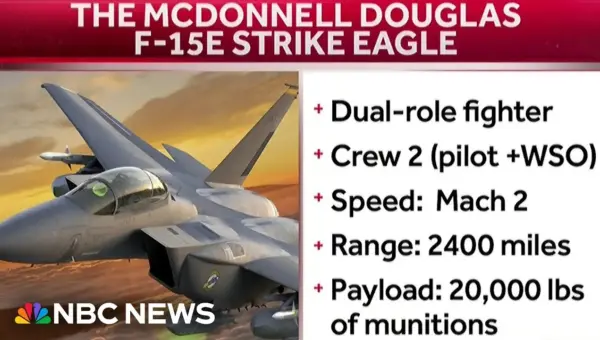
US Pilot Rescued After F-15 Jet Shot Down Over Iran
One U.S. pilot has been rescued alive after their F-15 fighter jet was shot down over Iran, U.S. officials confirmed. Search and rescue efforts are ongoing for a second pilot who remains unaccounted for. The incident challenges previous U.S. claims of full control over Iranian airspace.
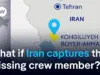
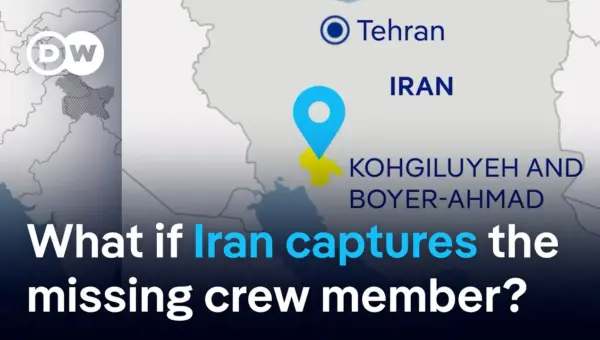
US Fighter Jet Downed in Iran; One Crew Member Rescued
A U.S. fighter jet was shot down over Iran, triggering a high-risk rescue mission. One crew member has been reportedly rescued, but the status of the second remains unknown. The incident raises questions about Iran's air defense capabilities and could impact U.S. public support for the ongoing conflict.
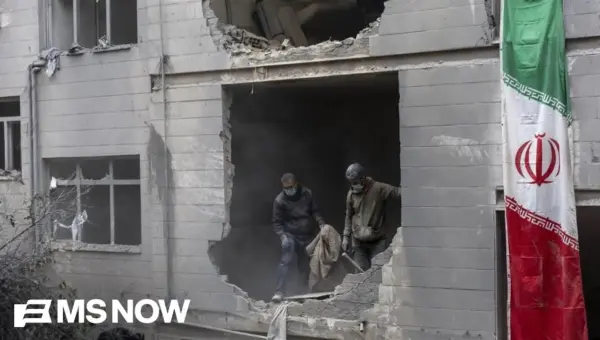
Iran Downs US Jet, Pilot Missing Amid Propaganda Victory
An American F-15 fighter jet was shot down by Iranian forces, marking a significant propaganda victory for Iran and challenging U.S. claims of diminished Iranian air power. One pilot has been rescued, but the second remains missing amid a tense search and rescue operation.