Trump Must Clarify Iran Strategy, Ex-Pentagon Official Urges
A former Pentagon official urges former President Trump to clarify his Iran strategy, linking it to American economic concerns. The expert also discusses NATO's evolving role and the critical importance of securing the Strait of Hormuz for global energy markets.

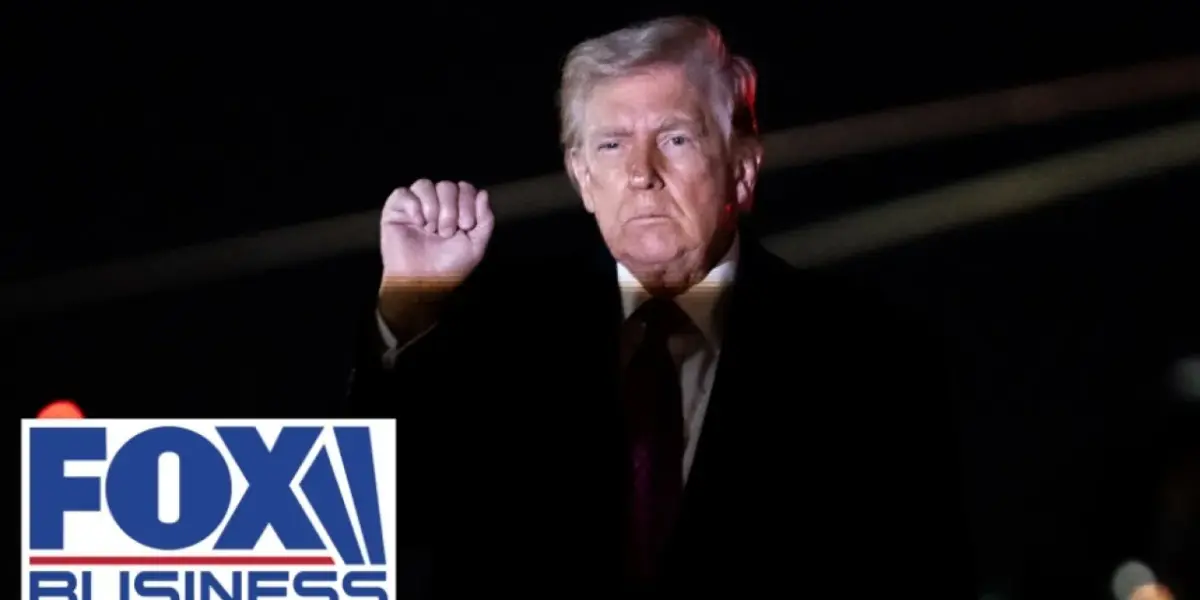
Trump Faces Pressure to Detail Iran Policy Amid Global Tensions
A former Pentagon official is urging former President Donald Trump to clearly explain his strategy regarding Iran. Brent Sadler, a former Navy captain and Heritage Foundation fellow, believes Trump must connect his approach to Iran with the financial concerns of American families. He argues that this connection is crucial for public understanding and support.
Sadler emphasizes that any military action taken against Iran must be presented as a move that enhances American safety. He points out Iran’s long history of hostility, noting that the regime has been responsible for the deaths of over a thousand Americans. For 47 years, “Death to America” has been more than just words; it has been a guiding principle for Iran.
Trump needs to make a strong case that the costs associated with confronting Iran are worthwhile. He should frame it as turning a new page, with hope for a better future for the Iranian people. This approach, Sadler suggests, involves avoiding large-scale military deployments in the region to protect American interests.
NATO’s Role and Modernization Debate
The discussion also touched upon NATO, a topic currently front-page news. President Trump has previously expressed skepticism about the alliance’s value. Sadler notes that Trump’s approach has yielded results, as many NATO countries have increased their defense spending to 2% of their Gross Domestic Product (GDP). This was largely due to Trump’s persistent pressure, although Russia’s invasion of Ukraine in 2022 was a major catalyst for many nations to finally commit.
However, Sadler points out that some countries, like Spain, Denmark, and Canada, are still lagging. He believes there is a solid argument for modernizing NATO to address threats beyond Russia, specifically mentioning China. A thorough debate is needed on how NATO can evolve to better serve American interests in the face of Beijing’s growing influence.
The current geopolitical climate, marked by a new Cold War, requires a unified approach. Sadler stresses that military actions cannot be separated from diplomacy and economic policy. All these elements must be woven together effectively.
Strait of Hormuz: A Critical Chokepoint
Sadler highlighted the indirect but significant impact of shipments through the Strait of Hormuz on allies like Japan and South Korea. He believes connecting these issues should be a top priority for the administration. While specific military tactics would likely remain classified, Sadler noted that having various options available creates significant unease for adversaries like the leaders in Tehran.
The willingness of the United Arab Emirates (UAE) to contribute to securing the Strait, not just defensively but offensively, is seen as a natural progression. Sadler expects other allies, including Britain, Japan, and South Korea, to join in ensuring safe shipping through this vital waterway. Accelerating these efforts is key.
He predicts that as confidence in the region grows, insurance rates for shipping will likely decrease. Sadler also pointed out a recent positive development: for the first time in 12 days, Iran was unable to launch any attacks on shipping. This suggests that the threat may be less significant than it appears.
“Once confidence comes back and the bluff is called on the Iranians,” Sadler stated, “any hand they have of trying to threaten the world through the pocketbook and the Strait of Hormuz evaporates.” This sentiment was echoed by reports that four vessels, three carrying crude oil, successfully moved through the Strait of Hormuz on Monday.
Market Impact and Investor Takeaways
What Investors Should Know:
- Geopolitical Risk Premium: Tensions surrounding Iran and the Strait of Hormuz can directly impact oil prices. Any disruption to this vital shipping lane could lead to higher energy costs, affecting everything from gasoline prices to supply chain expenses. Investors should monitor news from the region closely.
- Defense Sector Opportunities: Increased global defense spending, including by NATO allies, could benefit companies in the defense sector. Modernization efforts and responses to evolving threats from Russia and China may lead to new contracts and revenue streams for these businesses.
- Energy Market Volatility: The Strait of Hormuz is a critical chokepoint for global oil supply. Events that threaten its stability can cause significant price swings in crude oil and related commodities. Investors in energy stocks or futures should be aware of these potential fluctuations.
- International Relations and Trade: The effectiveness of alliances like NATO and the broader diplomatic efforts to manage international threats have long-term implications for global trade and economic stability. Changes in these relationships can affect market sentiment and investment flows.
The situation underscores the complex interplay between international politics, military strategy, and global financial markets. Clear communication from political leaders regarding their foreign policy objectives is essential for market stability and investor confidence.
Source: Trump MUST make this CLEAR, former Pentagon official says (YouTube)

Related Articles
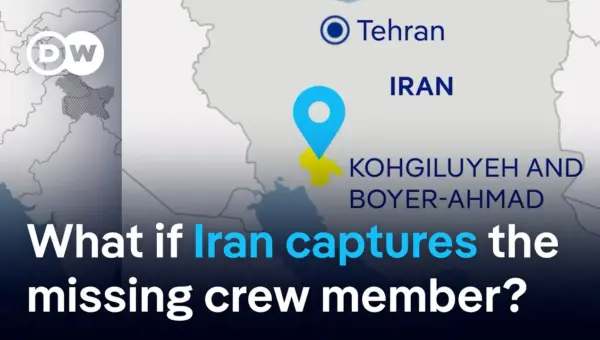
US Fighter Jet Downed in Iran; One Crew Member Rescued
A U.S. fighter jet was shot down over Iran, triggering a high-risk rescue mission. One crew member has been reportedly rescued, but the status of the second remains unknown. The incident raises questions about Iran's air defense capabilities and could impact U.S. public support for the ongoing conflict.
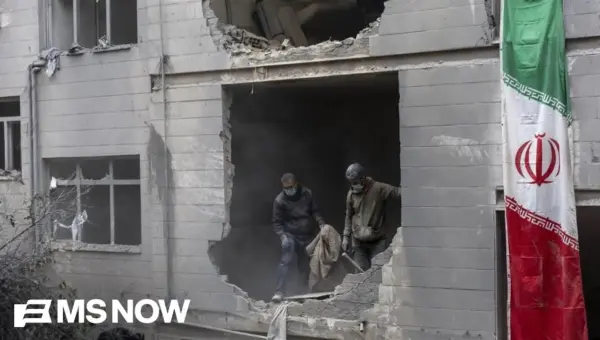
Iran Downs US Jet, Pilot Missing Amid Propaganda Victory
An American F-15 fighter jet was shot down by Iranian forces, marking a significant propaganda victory for Iran and challenging U.S. claims of diminished Iranian air power. One pilot has been rescued, but the second remains missing amid a tense search and rescue operation.
China’s Cyberattacks and Island Building Raise Alarm
China's recent cyberattacks and intensified island-building in the South China Sea are raising global alarms. While the U.S. regains ground in the space race, concerns grow over China's assertiveness and its impact on regional stability and international commerce.