Trump Attends Supreme Court Hearing on Birthright Citizenship
Donald Trump made a historic appearance at the Supreme Court as justices heard arguments challenging his administration's bid to end birthright citizenship. The conservative justices appeared skeptical of the government's case, questioning its legal basis and historical support. The ruling could redefine American identity and citizenship.

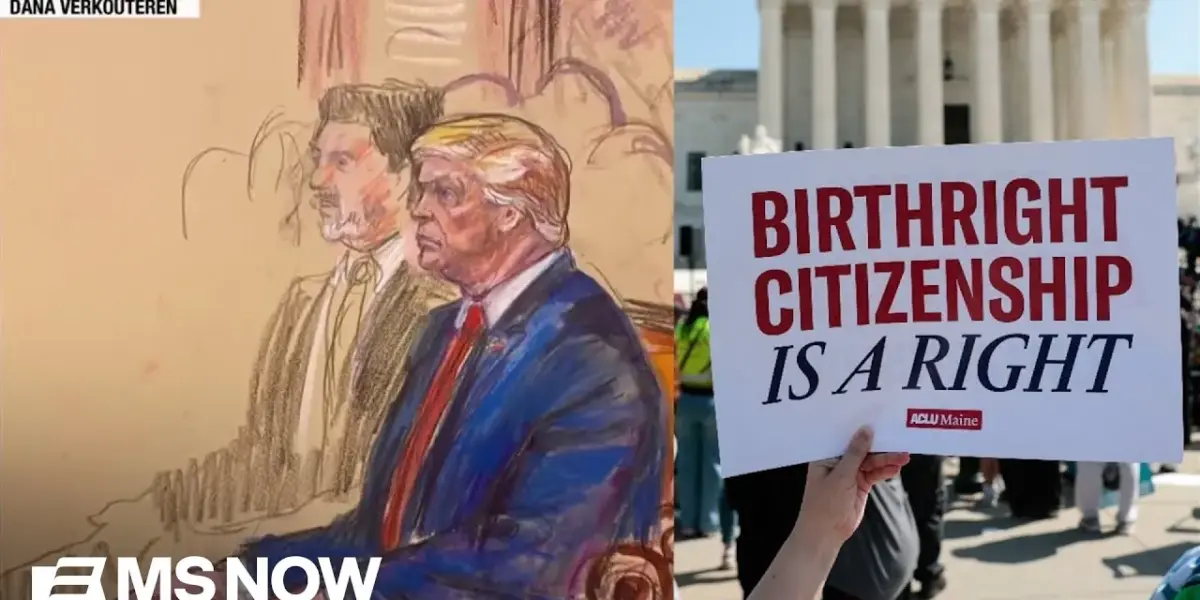
Trump Makes Rare Court Appearance Amid Birthright Citizenship Challenge
In a striking display of presidential engagement with the judiciary, Donald Trump appeared at the Supreme Court on Monday to witness oral arguments in a case challenging his administration’s executive order that sought to end birthright citizenship. Trump’s presence marked a historic moment, as he became the first sitting president to attend oral arguments at the nation’s highest court. However, the arguments themselves revealed significant skepticism from the court’s conservative justices regarding the government’s position.
The Case Against Birthright Citizenship
The core of the legal battle centers on the interpretation of the 14th Amendment, which states that “all persons born or naturalized in the United States, and to the jurisdiction thereof, are citizens of the United States and of the State wherein they reside.” Trump’s executive order, issued on his first day in office, aimed to deny citizenship to children born in the U.S. to parents who are not legal residents. The government’s solicitor general defended this order, arguing for a narrower interpretation of the amendment.
Skepticism from the Bench
During the arguments, the justices pressed the government’s counsel on the legal basis for challenging established birthright citizenship. Justice Samuel Alito, for instance, questioned whether Native Americans were considered birthright citizens under the prevailing legal understanding, suggesting a potential inconsistency in the government’s argument. The court’s inquiry also touched upon the historical intent of the 14th Amendment, with some justices appearing unconvinced by arguments that relied on historical sources beyond the amendment’s text and established precedent.
“I THINK NATIVE AMERICANS TODAY ARE BIRTHRIGHT CITIZENS UNDER YOUR TEST AND YOUR FRIEND’S TEST? I THINK SO. I MEAN, OBVIOUSLY THEY’VE BEEN GRANTED CITIZENSHIP BY STATUTE.”
A Packed Courtroom and High Stakes
The courtroom was filled with notable figures, including actor Robert De Niro, alongside legal scholars, advocates, and the public, all drawn by the significance of the case. Professor Sherilyn Ifill of Howard University, a leading expert on the 14th Amendment, described the atmosphere as “riveting” and “intently” focused. Ifill expressed personal satisfaction with the arguments presented by the ACLU attorney, Cecilia Wang, who masterfully argued the case for the respondents.
The Role of Precedent and the 14th Amendment
A key point of contention was the Supreme Court’s own 1898 ruling in *United States v. Wong Kim Ark*, which affirmed birthright citizenship for children born in the U.S. to non-citizen parents. Justice Brett Kavanaugh raised questions about whether the court could simply affirm this long-standing precedent with a brief opinion. However, the ACLU argued that the 14th Amendment was specifically designed to prevent Congress from altering birthright citizenship, thereby preventing the creation of a tiered system of citizenship and avoiding the historical injustices seen after the Dred Scott decision.
National Identity at the Forefront
Beyond the legal arguments, the case touches upon fundamental questions of American identity. Professor Ifill emphasized that birthright citizenship is central to the nation’s promise of equality and opportunity. “The very idea of America, and America is an idea as much as it is a place, is that it is, you know, this place where people get to start over,” she stated. The amendment was crucial in rectifying the legacy of slavery and the Dred Scott decision, which had denied citizenship to Black people.
Historical Context and Immigration Concerns
The historical context of the 14th Amendment’s ratification reveals that debates surrounding immigration and assimilation were present even then. Concerns were raised about certain immigrant groups being unable to assimilate, mirroring contemporary anxieties. However, proponents of the amendment insisted that the children born in America to these immigrants would be citizens, a principle that ultimately prevailed.
What’s Next?
With the Supreme Court justices expressing significant doubt about the government’s challenge to birthright citizenship, the focus now shifts to their final decision. The arguments suggest a strong likelihood that the established understanding of the 14th Amendment will be upheld, preserving the principle that all individuals born on U.S. soil are citizens. The court’s ruling will have profound implications for immigration policy and the fundamental definition of American citizenship.
Source: Trump SHOWS UP to Supreme Court as birthright citizenship case gets picked apart (YouTube)

Related Articles

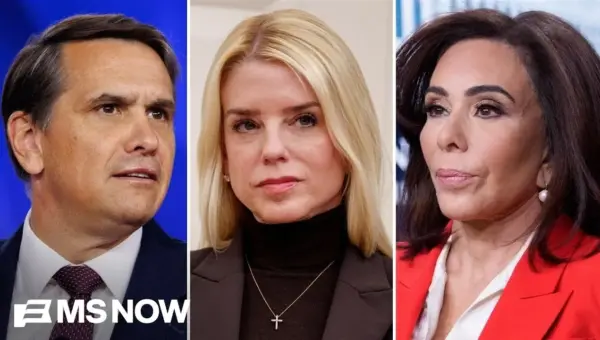
Trump’s Impossible Demands Reshape Justice Department
President Trump's demand for loyalty and action outside legal norms has reshaped the Justice Department. Recent departures, like Pam Bondi's, highlight the difficulty of fulfilling the President's "impossible tasks." The search for a new Attorney General continues amidst concerns about the DOJ's independence.


Trump’s Leadership: A Moral Vacuum for Young Learners?
Young people seek moral guidance from leaders, but what lessons does Donald Trump offer? Some argue his approach teaches negative behaviors like bullying and isolation, contrasting with traits like patience and gratitude seen in others. This raises questions about leadership character and its impact on societal values.

Trump’s Transparency: A Press Secretary’s Bold Claim
President Trump's press secretary, Sarah Huckabee Sanders, claims his public persona is identical to his private one. She states his directness eliminates guesswork, making her job easier by providing clear, unspun messages.