President Declares Victory in Iran Conflict, Details Military Success
President Trump declared victory in the Iran conflict, detailing military successes including the destruction of Iran's navy and air force. While military analysts confirmed tactical gains, the strategic implications and the reality of a "new regime" in Iran remain subjects of debate. The address also touched upon diplomatic overtures from Iran and domestic concerns over rising gas prices.

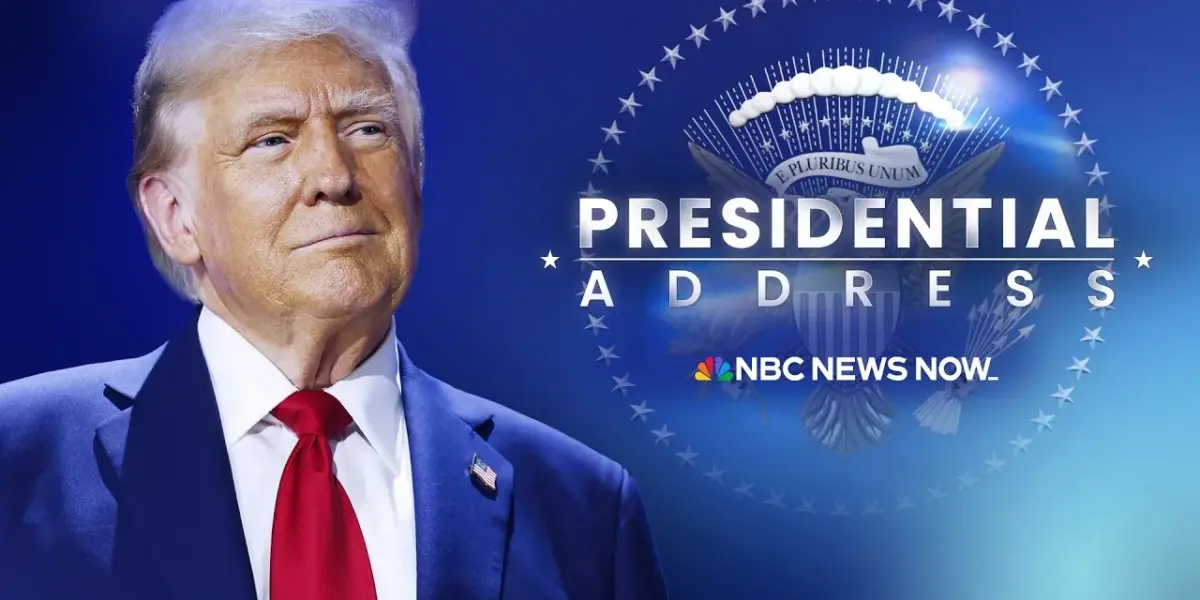
President Trump Addresses Nation on Iran War
In a primetime address from the White House, President Trump declared significant military victories against Iran, marking one month since the launch of Operation Epic Fury. The President stated that U.S. forces have systematically dismantled Iran’s ability to threaten America and project power abroad, achieving core strategic objectives.
Military Objectives Achieved, President Claims
President Trump detailed the successes of the U.S. military, asserting that Iran’s navy is “gone,” its air force is “in ruins,” and its leaders are “dead.” He further claimed that the Islamic Revolutionary Guard Corps’ command and control is being “decimated” and their ability to launch missiles and drones is “dramatically curtailed.” According to the President, Iran’s weapons factories and rocket launchers have been destroyed, with very few left. He described these as “clear and devastating large scale losses in a matter of weeks,” unlike anything seen before in warfare.
“Never in the history of warfare has an enemy suffered such clear and devastating large scale losses in a matter of weeks.”
From a military standpoint, Colonel Steve Warren, an NBC News military analyst, agreed that tactical objectives were met. “Everything that the Central Command Commander… said they were attempting to do, they have generally done it,” Warren noted. He specified that the Iranian navy was sunk and their ballistic missile capability was significantly degraded.
Strategic Goals and Future Outlook
While acknowledging the tactical military achievements, Colonel Warren suggested that defining the situation as a “strategic victory” would be more difficult. The President, however, presented the military actions as crucial for the safety of America and the security of the free world. He reiterated his long-standing vow to never allow Iran to possess nuclear weapons, citing the regime’s 47-year history of chanting “death to America” and its alleged involvement in past attacks on Americans and allies.
The President also mentioned his previous actions, including the killing of General Qassem Soleimani and the termination of the Iran nuclear deal under the Obama administration. He described the deal as a “disaster” that would have led to a “colossal arsenal of massive nuclear weapons for Iran.”
Iranian Response and Diplomatic Signals
Ahead of President Trump’s address, the Iranian President, Masoud Pezeshkian, released an open letter in English. The letter, described as “fairly conciliatory,” stated that Iran holds no enmity towards the American people and suggested the world could choose between escalating conflict or dialogue. However, it did not explicitly state Iran’s readiness for ceasefire talks.
NBC News Senior Washington Correspondent Hallie Jackson noted that some of the President’s claims on social media were not necessarily true, particularly regarding a “new regime” in Iran. She also highlighted that public approval for the military action is low in the U.S., with a majority of Americans not supporting the war.
Logistics of Troop Withdrawal and Strait of Hormuz
Regarding troop presence, Colonel Warren stated that withdrawing naval assets and additional aircraft sent to the region would not be a difficult operation, allowing a return to the status quo before the war began. He did not anticipate a withdrawal of ground troops.
The status of the Strait of Hormuz was also a point of discussion. While ships were seen transiting through the vital waterway, the President appeared to be downplaying its importance to the United States, suggesting it was more of a concern for European allies.
Addressing Domestic Concerns
President Trump acknowledged American concerns about rising gasoline prices, attributing the “short term increase” to “deranged terror attacks” by the Iranian regime against commercial oil tankers. He used this as further proof that Iran cannot be trusted with nuclear weapons, warning of “decades of extortion, economic pain and instability” if they were to acquire them.
The President concluded by thanking allies in the Middle East, including Israel, Saudi Arabia, Qatar, the UAE, Kuwait, and Bahrain, for their support. He also paid tribute to the “13 American warriors” who lost their lives in the conflict, vowing to complete the mission they died for.
Source: LIVE: Trump addresses the nation on the Iran war | NBC News (YouTube)

Related Articles
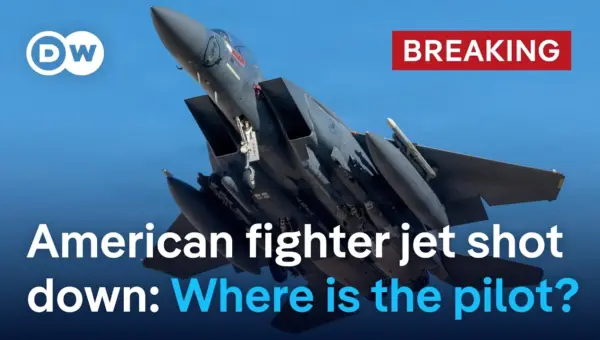
US Jet Downed in Iran: Crew Fate Unknown, War Unpopular
An American F-15 fighter jet has been shot down over Iran, with U.S. officials confirming the loss but offering few details on the crew's fate. The incident occurs amid widespread public opposition to the war and raises questions about Iran's air defense capabilities.
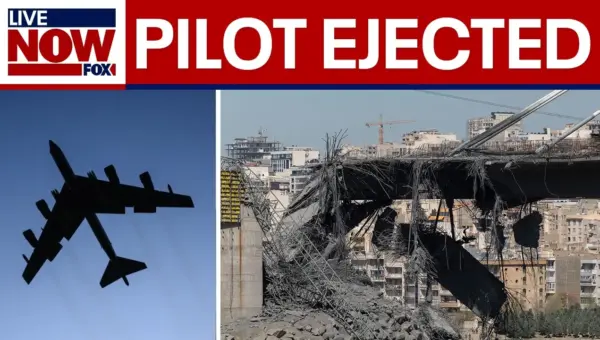
Iran Claims US Pilot Ejected; US Silent Amid Escalating Tensions
Iran claims a U.S. pilot ejected from a fighter jet over its territory, offering a reward for capture. The U.S. has not confirmed the report amid escalating regional tensions. Military experts discuss the strategic implications of U.S. strikes and the potential for internal change in Iran.

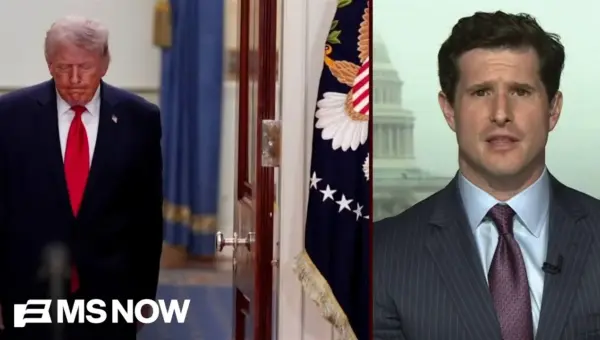
Trump Weighs War Exit Amid Iran Strikes and Internal Debate
President Trump is reportedly facing internal debate over how to end the escalating conflict with Iran, according to a new Time Magazine report. While publicly vowing to increase strikes, privately Trump seeks an "off-ramp" to declare victory and avoid domestic backlash, even as advisors express surprise at Iran's retaliatory attacks.