Europe’s Mideast Inaction Frustrates GOP Lawmaker
A Republican congressman voiced strong criticism of European nations for their perceived inaction in the Middle East. He argued that allies are failing to act despite threats to international shipping and commerce that impact Western nations broadly.

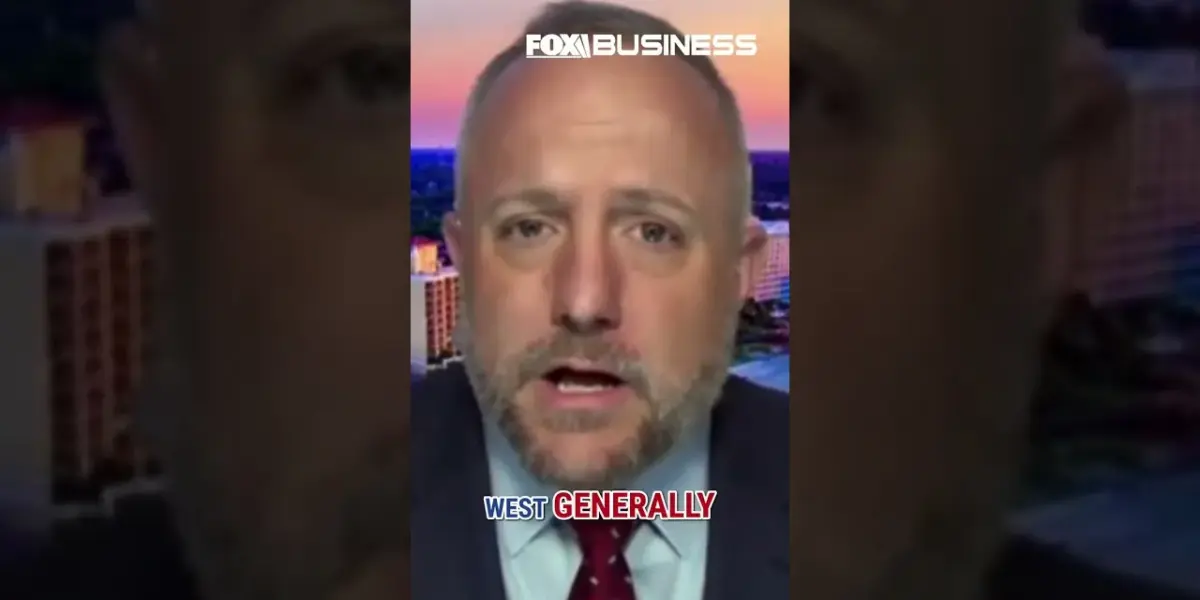
GOP Lawmaker Criticizes European Response to Middle East Threats
A Republican congressman expressed strong frustration this week over the perceived inaction of European nations regarding security threats in the Middle East. He drew a parallel between the European stance and that of Democrats regarding Iran’s nuclear ambitions, highlighting a perceived lack of decisive action from key allies.
Iran Nuclear Concerns and European Stance
The lawmaker pointed to past statements where European nations declared Iran’s pursuit of a nuclear weapon as unacceptable. However, he argued that when opportunities arose to help stabilize the region and ensure commerce could flow freely, Europe has not stepped up. This inaction, he suggested, occurs despite the fact that the attacks are not limited to American interests.
Wider Impact on Western Commerce
“It’s not just American ships that are being attacked. It’s not just Americans that are being attacked or targeted in the Middle East,” the representative stated. He emphasized that the threats affect people in the West generally, indicating a broader impact beyond the United States. The congressman noted that these incidents have occurred repeatedly over time.
Call for Action on Shipping Lanes
The core of his criticism centers on the failure to defend vital shipping lanes and ensure the resumption of commerce. He believes that standing up for freedom and open trade routes is a crucial cause. The congressman highlighted that Europe is actually experiencing more severe economic consequences from these disruptions than the United States is.
Allies Absent in Times of Need
“When given the opportunity to stand up in the cause of freedom and really make sure that these shipping lanes are open that commerce can resume,” the representative lamented, “Europe’s being punched harder than we are. They have failed to do so.” This sentiment underscores a feeling of abandonment by supposed allies during a critical period. The frustration is palpable, as the congressman concluded, “It’s incredibly frustrating that our supposed allies are nowhere to be found.”
Market Impact
The ongoing security concerns in the Middle East, particularly those affecting international shipping, can have significant ripple effects on global markets. Disruptions to key trade routes, like those in the Red Sea or the Strait of Hormuz, can lead to increased shipping costs and delays. This, in turn, can drive up prices for imported goods, contributing to inflation. Companies that rely heavily on these routes for their supply chains are particularly vulnerable. Geopolitical instability can also lead to volatility in oil prices, as the Middle East is a major producer of crude oil. Investors often react to such uncertainties by seeking safer assets, potentially impacting stock market performance. The perceived lack of a unified or strong response from major economic blocs like Europe could further exacerbate these market jitters, signaling a less stable global trade environment.
What Investors Should Know
Investors monitoring the situation in the Middle East should pay close attention to several key areas. Firstly, the cost of shipping and logistics is a crucial indicator. Rising freight rates or increased insurance premiums for vessels operating in affected regions can signal growing risks. Secondly, energy markets, especially crude oil and natural gas prices, are highly sensitive to Middle Eastern stability. Any escalation of conflict or disruption to supply could lead to price spikes. Thirdly, companies with significant international supply chains or those heavily dependent on imports/exports through affected waterways should be watched closely. Their earnings and stock performance could be impacted by delays and increased costs. Finally, investor sentiment towards geopolitical risk is important. Periods of heightened tension often see a flight to traditional safe-haven assets like gold or government bonds, while riskier assets like stocks may face downward pressure. The effectiveness and unity of international responses, or the lack thereof, will be a key factor influencing market stability in the short to medium term.
Source: 'SOUNDS A LOT LIKE THE DEMOCRATS': GOP rep SLAMS European inaction in Middle East #shorts (YouTube)

Related Articles


US Forces Prepared for Rescue, Veteran Says
A U.S. Army veteran asserts that American forces are well-prepared for complex operations like search and rescue missions. He also stated that the U.S. has achieved significant strategic wins against Iran's nuclear and missile programs. The discussion also covered NATO's importance and the need for European allies to increase their defense contributions.


China Fuels Fentanyl Crisis, A New Form of Warfare
A senior fellow argues China is engaging in chemical warfare by supplying precursor chemicals for fentanyl, leading to mass death among American youth. Despite diplomatic efforts and tariffs, the flow of these deadly substances continues, highlighting a new, complex geopolitical challenge.

Iran Shoots Down U.S. Jet, Pilot Evades Capture
A U.S. airman is missing after his aircraft was shot down over Iran. Trained in survival, he is reportedly in contact with his co-pilot, a positive sign. The U.S. military is preparing a rescue, but Iran's advanced electronic warfare poses significant challenges.