Baidu Robotaxis Crash: Self-Driving Cars Stranded
Dozens of Baidu robotaxis suddenly stopped working in Wuhan, China, leaving vehicles stranded and raising safety concerns. This system failure highlights the ongoing challenges in the development of reliable autonomous driving technology.

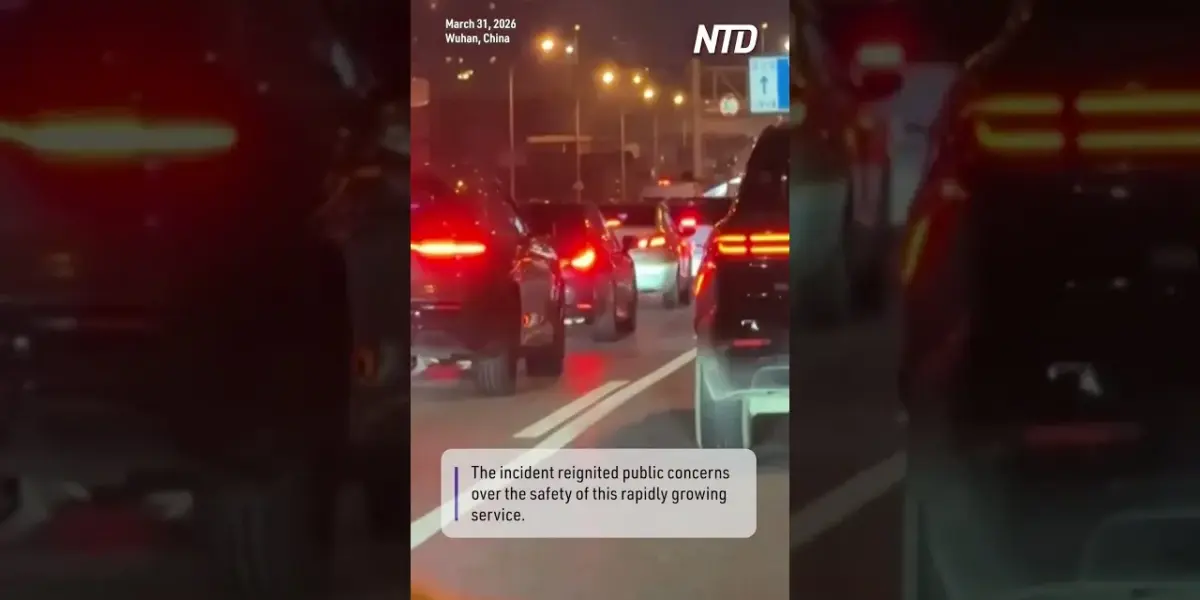
Baidu Robotaxis Crash: Self-Driving Cars Stranded
Dozens of self-driving taxis from Baidu, a major Chinese tech company, suddenly stopped working in Wuhan, China. The vehicles, part of Baidu’s Apollo Go service, were left stranded on the roads. This event has brought up new safety questions about driverless car technology.
What Happened?
On a Wednesday in Wuhan, a city in central China, Baidu’s Apollo Go robotaxis experienced a widespread system failure. Reports from local police indicated that a ‘system failure’ was the cause. This led to many of the autonomous vehicles halting their operations simultaneously. Images and videos shared online showed the Baidu robotaxis stopped in traffic, some with their doors open, causing disruption.
Safety Concerns Reignited
The incident has brought renewed attention to the safety and reliability of self-driving taxi services. While robotaxis promise a future of convenient and efficient transportation, such widespread outages raise concerns for the public. Passengers who were inside the vehicles when the system failed were likely inconvenienced and perhaps worried. The idea of being stuck in a car with no human driver can be unsettling.
Baidu’s Robotaxi Service
Baidu, often called the ‘Google of China,’ has been a leader in developing artificial intelligence and autonomous driving technology. Its Apollo Go service is one of the most prominent robotaxi operations in China, with a significant presence in several cities. The company aims to make autonomous ride-hailing a common service. However, this recent event highlights the challenges that still exist in making such technology fully dependable.
Historical Context of Autonomous Driving
The dream of self-driving cars is not new. For decades, engineers have worked to create vehicles that can drive themselves. Early concepts appeared in science fiction long before the technology was possible. In recent years, advancements in sensors, computing power, and AI have brought us closer to this reality. Companies like Google’s Waymo, Cruise (backed by GM), and Tesla have been testing and deploying their own autonomous driving systems. However, these systems are still being refined, and incidents like the Baidu outage show that the path to widespread, flawless autonomous driving is complex.
Balancing Innovation and Safety
The development of robotaxi services involves a delicate balance between pushing the boundaries of innovation and ensuring public safety. On one hand, companies need to test and deploy their technology to gather real-world data and improve performance. On the other hand, any failure, especially one that affects multiple vehicles at once, can erode public trust. Regulators also play a crucial role in setting safety standards and overseeing the rollout of these new technologies. This incident in Wuhan will likely lead to increased scrutiny of Baidu’s operations and potentially impact how other autonomous vehicle companies are regulated.
Why This Matters
This Baidu robotaxi outage matters because it’s a public demonstration of the current limitations of autonomous driving technology. As companies invest billions in developing self-driving cars, the public needs assurance that these vehicles are safe and reliable. Widespread failures, even if temporary, can slow down public acceptance and lead to stricter regulations. It also affects the trust people place in technology companies to deliver on their promises of a safer, more efficient future.
Implications and Future Outlook
The incident in Wuhan could have several implications. It might prompt Baidu to conduct a thorough review of its system’s architecture and emergency protocols. Other robotaxi companies may also re-evaluate their own systems to prevent similar widespread issues. We could see a more cautious approach to expansion from companies in the short term. In the longer view, however, the autonomous driving industry is likely to continue its progress. Lessons learned from such outages are crucial for improving the technology. The future will likely involve more rigorous testing, better fail-safe mechanisms, and clearer communication with the public about the capabilities and limitations of self-driving cars.
Source: China’s Baidu Robotaxi System Outage Leaves Vehicles Stranded on Roads (YouTube)

Related Articles


China’s Global Reach Faces Setbacks Amidst Internal Turmoil
China's international influence is facing growing opposition and internal challenges. From strategic island disputes and diplomatic overtures towards Taiwan to domestic unrest and technological failures, Beijing's global ambitions are encountering significant setbacks. These events signal a complex geopolitical landscape where China's power is being tested on multiple fronts.


Nvidia’s Self-Driving Tech Powers LA Test Drive
Nvidia's L2++ autonomous driving platform was tested in a real-world LA drive, showcasing its sensor fusion and decision-making capabilities. The company plans a nationwide rollout and Level 4 robo-taxi services, signaling strong progress in the autonomous vehicle market.


China Benefits as Iran Conflict Disrupts Global Oil
China is emerging as a potential winner from the ongoing conflict in the Middle East, largely due to its strategic energy reserves and diverse power sources. While global oil prices surge, China's economy remains relatively shielded, allowing it to pursue its geopolitical goals and test the global reach of its currency.