Supreme Court Weighs Birthright Citizenship; Moon Mission Ignites Hope
The Supreme Court is hearing a critical case on birthright citizenship, potentially altering immigration law. Meanwhile, Iran seeks a ceasefire, and the Artemis II mission prepares for a historic return to the Moon, signaling shifts in law, diplomacy, and space exploration.

Supreme Court Takes Up Birthright Citizenship Debate
The Supreme Court recently heard arguments about birthright citizenship, a topic that has significant implications for immigrants and their children in the United States. President Donald Trump attended the proceedings, highlighting the importance of the case. Birthright citizenship, often referred to as birthright citizenship, is the idea that anyone born within the borders of a country automatically becomes a citizen of that country. This concept is deeply rooted in the U.S. Constitution, specifically the 14th Amendment, which states that all persons born or naturalized in the United States, and subject to its jurisdiction, are citizens of the United States and of the State wherein they reside.
The arguments presented in court likely focused on how this amendment applies to the children of parents who are not U.S. citizens and may be in the country without legal permission. This is a complex legal and social issue, with strong opinions on all sides. Supporters of birthright citizenship argue that it is a foundational principle of American law and essential for social stability, preventing a permanent underclass of stateless individuals. Opponents often raise concerns about the rule of law and national security, suggesting that it may encourage illegal immigration.
Iran Seeks Ceasefire Amidst Diplomatic Shifts
In parallel developments, news emerged that Iran is reportedly seeking a ceasefire. This announcement comes as President Trump was scheduled to address the nation, suggesting a potentially significant shift in foreign policy or international relations. Such a move by Iran, if confirmed, could signal a de-escalation of tensions in a region that has seen considerable conflict. The U.S. response and the specifics of any potential ceasefire agreement will be closely watched by international observers.
The President’s upcoming address to the nation would likely provide further details or context for these developments. Understanding the motivations behind Iran’s request and the U.S. administration’s position is crucial for grasping the geopolitical implications. This situation highlights the dynamic nature of international diplomacy and the constant efforts to manage global conflicts.
Artemis II Mission: A Giant Leap Back to the Moon
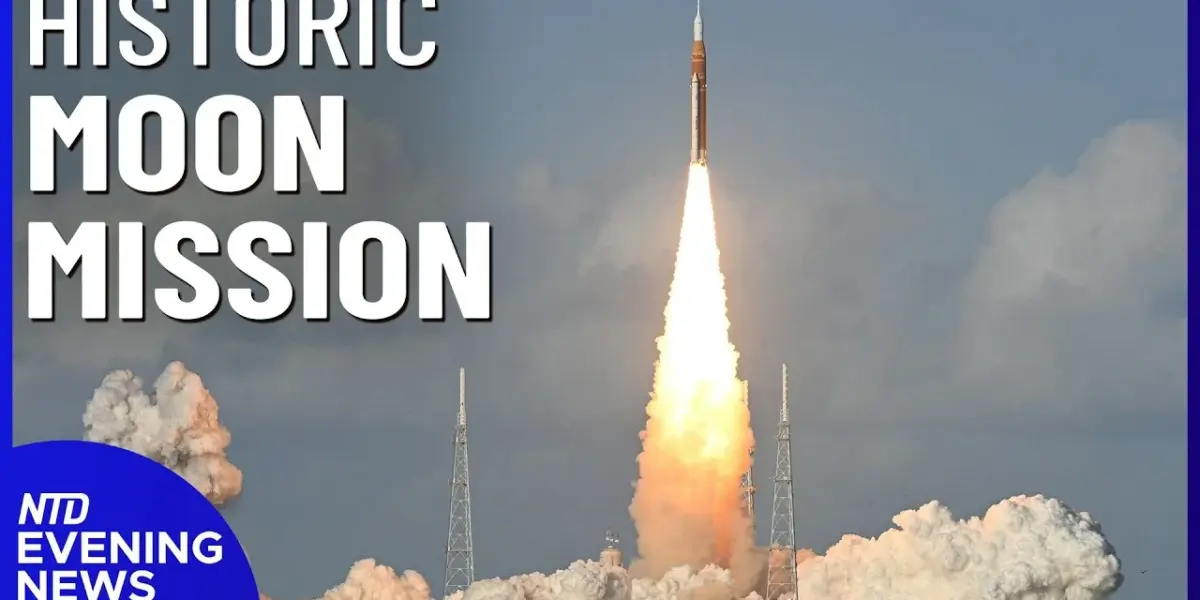
On a more uplifting note, the Artemis II mission is preparing for a historic journey to the Moon. This mission marks the first crewed voyage to the Moon in over fifty years, a significant milestone for space exploration. Astronauts are undergoing final preparations at the Kennedy Space Center in Florida for what promises to be an inspiring endeavor. The mission is part of a broader effort to establish a long-term human presence on the Moon and eventually send astronauts to Mars.
The Artemis program aims to not only advance scientific knowledge but also to inspire a new generation of explorers and innovators. The return to lunar exploration after a long hiatus represents a renewed commitment to pushing the boundaries of human achievement. This mission carries the hopes and dreams of many, symbolizing humanity’s enduring curiosity and drive to explore the unknown. The success of Artemis II could pave the way for future deep-space missions and solidify the United States’ leadership in space exploration.
Why This Matters
The Supreme Court’s consideration of birthright citizenship touches upon fundamental questions of who belongs in America and what it means to be a citizen. The outcome could affect millions of families and reshape immigration policy for years to come. It forces a national conversation about the interpretation of constitutional law and the nation’s identity. Simultaneously, the news from Iran suggests a potential turning point in international relations, which could impact global stability and U.S. foreign policy. The Artemis II mission, meanwhile, offers a powerful symbol of human ingenuity and cooperation, reminding us of our capacity for great scientific achievement and inspiring future generations to look towards the stars.
Implications and Future Outlook
The birthright citizenship case could lead to significant legal challenges and policy changes, depending on the Court’s ruling. If the interpretation of the 14th Amendment is narrowed, it could create a class of individuals born in the U.S. who are not citizens, leading to complex legal and social issues. In foreign affairs, any potential ceasefire with Iran would need careful monitoring to ensure compliance and assess its long-term impact on regional security. The success of the Artemis II mission is expected to boost public interest in space exploration and could accelerate plans for further lunar and Martian missions, potentially ushering in a new era of space discovery.
Historical Context
Birthright citizenship in the United States has its roots in English common law and was explicitly affirmed by the 14th Amendment after the Civil War, primarily to grant citizenship to newly freed slaves. The interpretation of the 14th Amendment has been the subject of legal debate throughout history. The Artemis program builds upon the legacy of the Apollo missions, which first landed humans on the Moon between 1969 and 1972, representing a significant technological and cultural achievement of the 20th century. The current geopolitical landscape is shaped by decades of complex interactions and conflicts, making any sign of de-escalation, such as a potential ceasefire with Iran, noteworthy.
Source: SCOTUS Hears Birthright Citizenship Argument; Historic Mission to Moon | NTD Evening News (Apr. 1) (YouTube)

Related Articles


Astronaut Chris Hadfield on Artemis Prep & Space’s Human Heart
Former astronaut Chris Hadfield emphasizes that space exploration's greatest challenge is mental, not physical. He discusses the intense preparation required for missions like Artemis and reflects on the deeply human emotions involved in spaceflight, comparing it to our innate drive to explore.


GOP Lawmaker Demands ‘Aggressive’ AG Replacement
GOP lawmakers are divided over border security funding as one representative calls for a more "aggressive" Attorney General. The debate over funding and the upcoming replacement for AG Pam Bondi highlight internal party struggles. Meanwhile, concerns about birthright citizenship and FEMA's low disaster fund add to the political landscape.


Humans Return to Moon Orbit After 52 Years
Humans are heading back to the moon for the first time in over 50 years with the Artemis II mission. The four-astronaut crew will orbit the moon, marking a historic return to deep space exploration. Meanwhile, political developments include President Trump's warnings of further strikes against Iran and a leadership change at the Justice Department.