Iran Faces ‘Final Barrage’ or ‘Negotiated Surrender’
Iran faces a critical ultimatum: unconditional surrender or a decisive military response, according to foreign policy expert Marc Thiessen. The strategy includes targeting leadership and ensuring passage through the Strait of Hormuz. Allies' cooperation is also a key point of discussion.

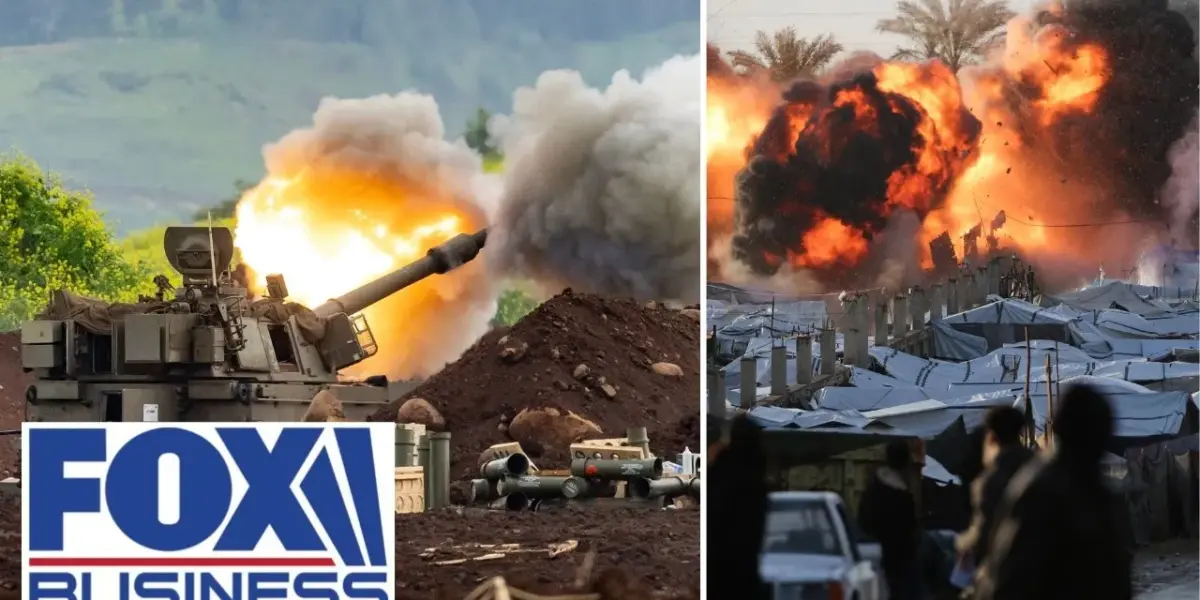
Iran Faces Crucial Decision: Military Action or Unconditional Surrender
Tensions are escalating with Iran, as a prominent foreign policy commentator suggests the nation faces a stark choice: surrender unconditionally or face a decisive military response. This tough stance comes amid ongoing efforts to manage international relations and potential conflicts.
Leadership Strikes and Strategic Negotiations
Marc Thiessen, a foreign policy expert and former White House speechwriter, outlined a strategy that involves targeting Iranian leadership. He noted that dozens of Iranian leaders have already been neutralized, often in cooperation with Israel. The remaining leaders are either in hiding or have emerged for negotiation purposes.
Thiessen explained that if these leaders are unwilling to accept what he termed a “negotiated surrender,” meaning a unilateral and unconditional surrender, then a significant escalation could follow. This escalation might involve a “final barrage” of strikes aimed at eliminating these key figures. The logic, he suggested, is that their continued existence serves no purpose if they refuse to capitulate.
The Strait of Hormuz: A Critical Chokepoint
The discussion also touched upon Iran’s ability to disrupt global oil trade, particularly through the Strait of Hormuz. This vital waterway is crucial for transporting oil worldwide. Despite Iran’s significant population and industrial capacity, Thiessen argued that its ability to interfere with shipping is diminishing.
He presented a plan, reportedly available to naval commanders, to reopen the Strait of Hormuz quickly. This plan involves neutralizing Iran’s missile and drone capabilities, which have been significantly degraded. The remaining threat comes from small boats, which can be dealt with as they appear.
Thiessen proposed a strategy involving electronic warfare and counter-drone technology to create a secure passage for ships. He suggested that instead of Iran charging ships millions of dollars to pass through the Strait, the U.S. could charge an escort fee. This fee could be doubled for allies not supporting U.S. efforts and waived for those who join the escort mission. This approach, he argued, would not only ensure the Strait remains open but also generate revenue and strategically punish or reward different nations.
Allies’ Role and NATO’s Position
The conversation extended to the role of U.S. allies, particularly within NATO. Thiessen expressed frustration with some European allies, like Italy, for denying the use of their bases for operations. He contrasted this with historical U.S. efforts to support European nations during wartime, such as in World War II.
He argued that such actions validate concerns about allies not contributing their fair share. Thiessen suggested that the U.S. should adopt a policy of rewarding helpful allies and penalizing those who obstruct operations. While the U.S. President cannot unilaterally withdraw from NATO without Senate approval, Thiessen proposed moving troops out of uncooperative countries.
This perspective highlights a growing sentiment that alliances require mutual support and contribution. The U.S. has historically borne significant burdens in maintaining global security, and there is increasing discussion about the need for allies to step up their commitments. The situation with Iran and the related international dynamics underscore the complexities of modern geopolitical strategy and the importance of clear communication and shared responsibility among allies.
Market Impact
Geopolitical tensions, especially those involving major oil-producing regions like the Middle East, can significantly impact global markets. Fluctuations in oil prices are a primary concern, as disruptions in the Strait of Hormuz could lead to sharp price increases. This would affect transportation costs, manufacturing, and consumer spending worldwide. Defense stocks might see increased interest if military actions are perceived as likely or ongoing. Currency markets could also react to perceived instability or shifts in global power dynamics. Investors often seek safe-haven assets like gold during periods of heightened geopolitical risk.
What Investors Should Know
Investors monitoring the situation should pay close attention to oil market developments, including the price of crude oil and the flow of oil through key shipping lanes. News regarding diplomatic efforts, potential military actions, and the responses of international allies will be crucial. Companies with significant exposure to the Middle East, particularly in the energy sector, could experience volatility. Understanding the broader implications for global trade and economic stability is key to making informed investment decisions during such uncertain times.
Source: Iran must ‘surrender’ or face a ‘FINAL BARRAGE’ of strikes: Marc Thiessen (YouTube)

Related Articles


Oil Shock: Hormuz Closure Triggers Global Financial Crisis
A prolonged closure of the Strait of Hormuz could trigger a global financial crisis, leading to soaring energy prices, bond market instability, and a stock market crash. Analysts warn of potential job losses and asset devaluation, with limited safe havens for investors.


Trump Fires AG Bondi, Iran Tensions Rise, Artemis II Heads to Moon
Attorney General Pam Bondi has been fired by President Trump, with Deputy AG Todd Blanche stepping in as acting AG. Amidst rising oil prices and escalating tensions, the U.S. warns Iran as the Artemis II mission successfully heads towards the Moon. Golfer Tiger Woods was arrested for DUI and is stepping away for treatment.


China’s Global Reach Faces Setbacks Amidst Internal Turmoil
China's international influence is facing growing opposition and internal challenges. From strategic island disputes and diplomatic overtures towards Taiwan to domestic unrest and technological failures, Beijing's global ambitions are encountering significant setbacks. These events signal a complex geopolitical landscape where China's power is being tested on multiple fronts.