Trump’s Speech Crumbles: White House Deletes Video
Donald Trump's recent White House address was marred by unusual statements and a deleted video, sparking questions about his focus and the administration's messaging. The speech touched on states' rights, criticized NATO, and featured personal anecdotes, all while intelligence reports suggested no progress in Iran negotiations. Poor economic approval ratings further complicate the outlook.

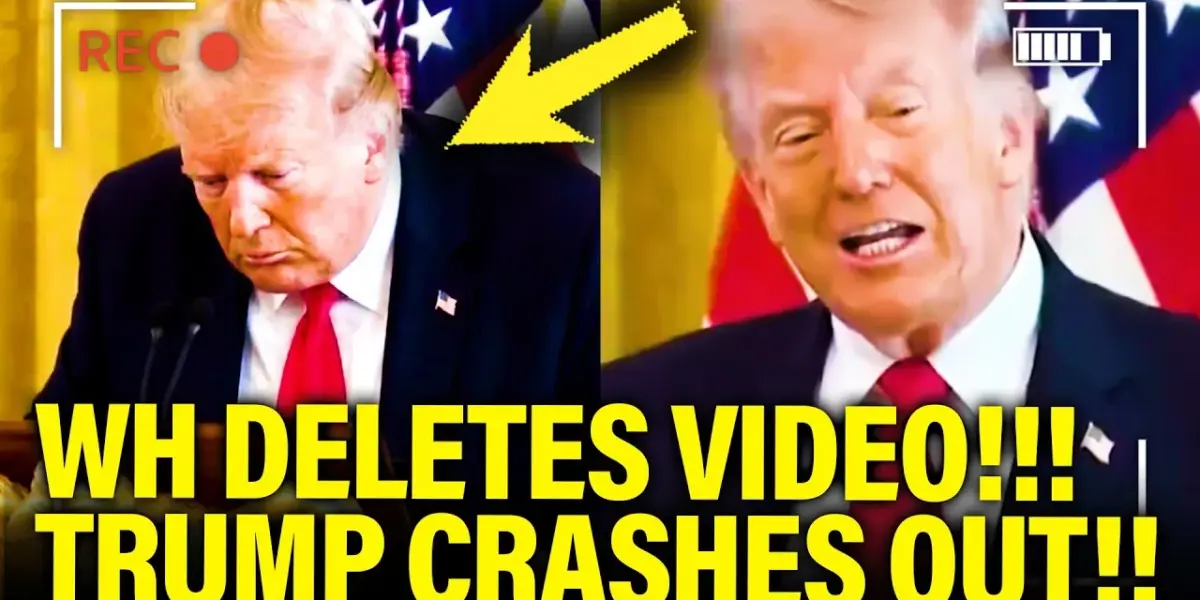
Trump’s White House Address Stumbles, Video Pulled
Donald Trump’s recent national address from the White House took an unexpected turn when a live video feed of his remarks was abruptly removed. The White House cited technical difficulties, but the sudden deletion of the video, which was later shared by The Midas Touch Network, has raised questions about the content of the speech itself. The address, intended to focus on the ongoing war, instead featured a series of disjointed and unusual statements.
A Speech of Self-Praise and Shifting Blame
Trump began his address by stating his intention to talk about how great he is. He quickly moved on to criticize the federal government’s ability to handle programs like daycare, Medicaid, and Medicare. He argued these responsibilities should fall to individual states, suggesting states should raise their own taxes to cover these costs. The only federal responsibility he deemed essential was military protection. This marks a significant departure from typical federal roles in social programs.
Attacking NATO and Praising Unlikely Allies
The speech also included strong criticism of NATO allies, whom Trump described as “very bad.” He reiterated his long-held view that the U.S. should withdraw from the alliance, despite the fact that such a move would require Senate approval. Trump claimed the U.S. spends trillions on NATO and doesn’t need them, even suggesting they are a “paper tiger.” He then pivoted to discussing “regime change” in Iran, expressing a strange admiration for someone in the audience, saying, “You seduce me, sir.” This moment, where he seemed to confuse a compliment with seduction, was particularly jarring.
Personal Asides and Unusual Comparisons
The address continued with a series of personal remarks. Trump pointed out Vice President JD Vance, commenting on his weight loss. He also advised a woman named Erica Kirk to sue individuals making videos that imitate her. Perhaps the most peculiar moment came when Trump, comparing himself to Jesus entering Jerusalem on Palm Sunday, declared, “They call me king now.” He then lamented his inability to get a ballroom approved, questioning his status as king. Adding to the unusual nature of the event, Trump’s faith advisor compared him to Jesus, noting he had “paid the price” and was “betrayed and arrested and falsely accused,” echoing themes from the biblical narrative.
Geopolitical Uncertainty and Economic Woes
Behind the scenes of the address, U.S. intelligence agencies reportedly assessed that the Iranian government was not willing to engage in serious negotiations to end the ongoing war. Reports indicated Iran felt it was in a strong position and did not trust the U.S. or Trump. This contradicts Trump’s claims of seeking a ceasefire. Meanwhile, polling data presented during the broadcast showed deeply unfavorable approval ratings for Trump, particularly on the economy. His disapproval numbers were significantly higher than those of former presidents George W. Bush and Barack Obama at similar points in their presidencies. Americans largely believed his policies had worsened their economic conditions.
Historical Context and Future Outlook
Trump’s stance on NATO is not new; he has consistently questioned the alliance’s value and the financial burden on the United States. His calls for states to manage social programs like Medicaid and Medicare also echo long-standing conservative arguments for decentralizing government power. However, the erratic nature of the speech and the subsequent video deletion suggest a potential disconnect between his public messaging and the reality of geopolitical and domestic challenges. The reported lack of progress in negotiations with Iran, coupled with poor economic approval ratings, paints a complex picture. The comparison to Jesus, while intended to evoke sympathy or strength, instead highlighted the unusual rhetoric. The decision by the White House to remove the video, regardless of the stated reason, underscores the controversial nature of Trump’s remarks and raises concerns about the stability and coherence of his administration’s messaging on critical national and international issues.
Why This Matters
The events surrounding Donald Trump’s national address and the subsequent deletion of its video feed highlight several critical issues. Firstly, the content of the speech itself, with its personal tangents, attacks on allies, and unusual self-comparisons, raises concerns about the President’s focus and stability. Secondly, the discrepancy between Trump’s public statements on foreign policy, particularly regarding Iran and NATO, and the assessments of U.S. intelligence agencies points to potential misinformation or a divergence in strategic understanding. Finally, the extremely poor economic approval ratings, as detailed in the CNN poll, suggest that the public is increasingly dissatisfied with the administration’s handling of key domestic issues. The combination of these factors could significantly impact public trust and future political outcomes.
Implications and Future Trends
The repeated questioning of NATO’s relevance by a U.S. president could embolden adversaries like Russia, which has historically sought to weaken the alliance. A potential withdrawal from NATO would fundamentally alter European security and U.S. foreign policy. Domestically, Trump’s push to shift responsibility for social programs to the states could lead to significant disparities in healthcare and social services across the country. If his economic policies continue to be perceived negatively, it could fuel further public discontent and impact election results. The use of prediction markets to bet on geopolitical events, as mentioned, also points to a growing trend of financial speculation around international conflicts, raising ethical questions about who benefits from and influences these events.
Historical Background
Donald Trump’s skepticism towards international alliances like NATO is a recurring theme in his political career. He has often framed these alliances as one-sided arrangements that benefit other countries at the expense of American taxpayers. His calls for states to manage social welfare programs also align with a broader conservative movement advocating for federalism and reduced government intervention. The comparison of political leaders to religious figures is not entirely new in American politics, but the direct comparison of Trump to Jesus, especially in the context of perceived persecution, is a notable instance. The ongoing conflict with Iran and the complex dynamics surrounding nuclear non-proliferation efforts have been a central concern for U.S. foreign policy for decades, with various administrations employing different strategies to manage the threat.
Source: Trump CRASHES OUT Before BIG ADDRESS…WH DELETES VIDEO!!!! (YouTube)

Related Articles

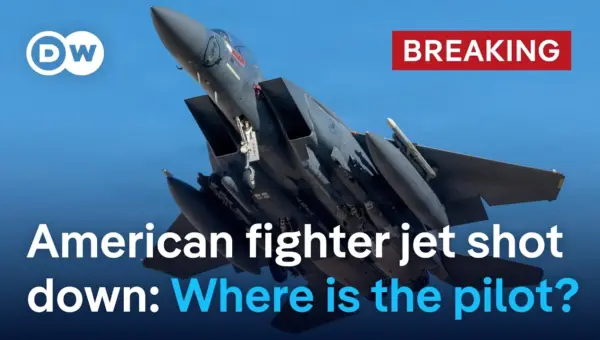
US Jet Downed in Iran: Crew Fate Unknown, War Unpopular
An American F-15 fighter jet has been shot down over Iran, with U.S. officials confirming the loss but offering few details on the crew's fate. The incident occurs amid widespread public opposition to the war and raises questions about Iran's air defense capabilities.

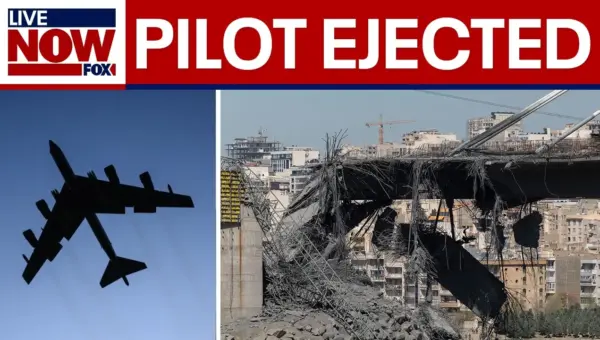
Iran Claims US Pilot Ejected; US Silent Amid Escalating Tensions
Iran claims a U.S. pilot ejected from a fighter jet over its territory, offering a reward for capture. The U.S. has not confirmed the report amid escalating regional tensions. Military experts discuss the strategic implications of U.S. strikes and the potential for internal change in Iran.
Trump Weighs War Exit Amid Iran Strikes and Internal Debate
President Trump is reportedly facing internal debate over how to end the escalating conflict with Iran, according to a new Time Magazine report. While publicly vowing to increase strikes, privately Trump seeks an "off-ramp" to declare victory and avoid domestic backlash, even as advisors express surprise at Iran's retaliatory attacks.