Iran Recruits Children as Young as 12 for Military Roles
Human Rights Watch reports Iran's Revolutionary Guard Corps is recruiting children as young as 12 for military-related roles, including checkpoint duties and patrols. The organization warns this practice constitutes a war crime and places vulnerable minors at severe risk of injury or death amid ongoing air strikes.

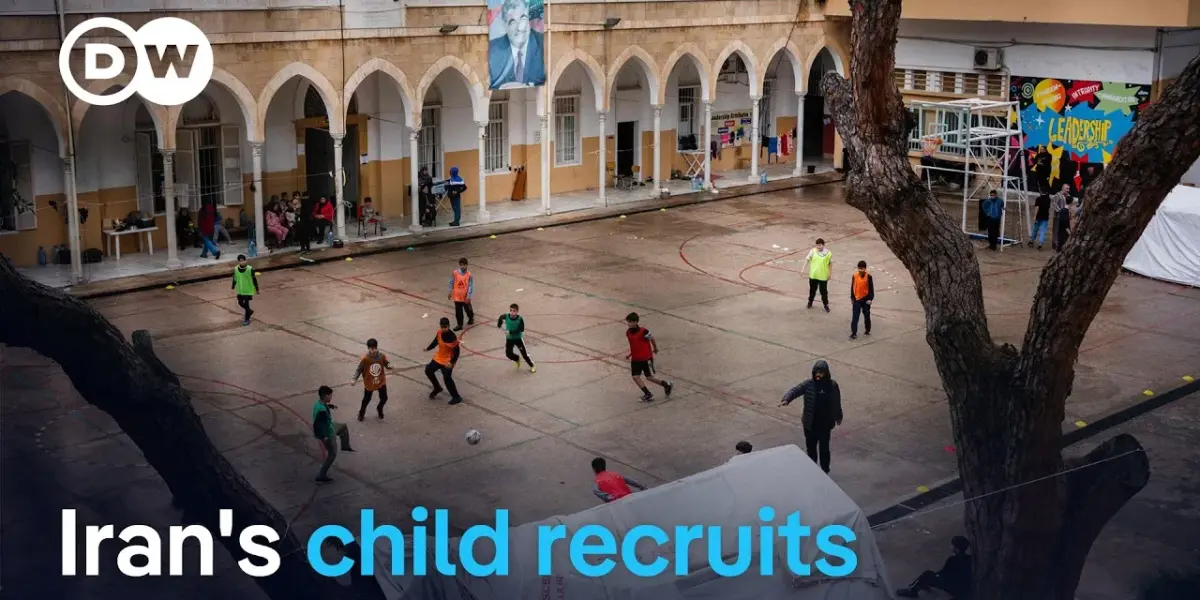
Iran Recruits Children as Young as 12 for Military Roles, Human Rights Watch Reports
Human Rights Watch has reported that Iran’s Islamic Revolutionary Guard Corps (IRGC) is recruiting children as young as 12 for roles connected to ongoing conflicts. These recruitment efforts include signing up minors for duties ranging from support work to manning checkpoints and patrols. This disturbing practice comes as Iran faces continued air strikes from the United States and Israel. Rights groups warn that placing children at or near military sites puts them at serious risk of injury or death.
War Crime Allegations
Under international law, the recruitment of children under the age of 15 for military purposes is considered a war crime. Human Rights Watch associate director Bill Feld emphasized that international law clearly states no child under 18 should be recruited or used for military purposes. However, the use of children under 15 in such activities is a grave crime.
“International law is very clear that no child under the age of 18 should be recruited or used for military purposes. Nobody. But under the age of 15, the laws of war are such a grave crime that it’s actually a war crime to do this for kids under 15.”
Bill Feld, Associate Director, Children’s Rights Division, Human Rights Watch
Support Roles Still Pose Grave Risks
Iranian officials have claimed that many of these roles are simply support functions. However, Human Rights Watch argues this distinction does not lessen the legal or moral concerns. A 12-year-old at a checkpoint, even providing support, faces the same risk of death or severe injury from an attack as someone performing other duties.
Activities like providing food, carrying items, or participating in vehicle convoys through Tehran place children in close proximity to military forces and installations. Feld stated that children cannot meaningfully consent to the grievous harm they might suffer by taking part in such activities. He urged officials to cancel these recruitment drives immediately.
Children Facing Severe Danger
The recruitment occurs amid sustained air strikes by the U.S. and Israel on IRGC and related targets. These attacks have reportedly involved over 10,000 strikes, many hitting checkpoints and military sites. Children involved in these recruitment efforts are therefore at severe risk of being caught in the crossfire.
Reports, though not yet fully verified, indicate an 11-year-old boy was killed at a checkpoint. His father had reportedly taken him there due to manpower shortages. This highlights the immense pressure children may face to participate in such dangerous activities.
Long-Term Psychological Impact
Beyond the immediate physical dangers, the psychological toll on children is immense. Even if they survive without physical injury, the trauma of being involved in armed conflict can have lasting effects. Reintegrating these children into society can take decades, as they grapple with the trauma they have experienced and, in some cases, perpetrated.
Being recruited means children are taken out of school, learn military activities, and are denied the chance to simply be children. This prolonged exposure to violence and militarization can profoundly shape their development and future well-being.
Historical Pattern of Child Recruitment
Iran has a long history of mobilizing children in conflicts. The most prominent example is the Iran-Iraq War in the 1980s, where Iranian officials reported that over half a million children were recruited to fight on the front lines. Tens of thousands of these children were killed, sometimes tasked with clearing mines without any protective gear.
Since then, there has been a continuing pattern of child use, particularly within paramilitary groups. The current recruitment drive, while publicized recently, follows reports of children manning checkpoints even before this intensified effort. This indicates a long-standing problem that predates the current escalation.
Questionable Voluntariness
While the IRGC claims children are asking to join, Human Rights Watch questions the voluntariness of these decisions. Children are highly susceptible to messaging from the state, families, and military organizations. There can also be incentives involved, as seen in past cases.
Feld stressed that children are not in a position to make informed decisions about joining military activities due to their age and susceptibility to pressure. He added that any official claiming children asked to participate would not be found innocent in a war crimes trial on that basis.
International Community’s Role
Human Rights Watch calls for concrete steps from the international community to stop this practice. The immediate priority is to halt the recruitment. While pressuring Iran during an armed conflict is difficult, any government with influence over Iranian officials should raise this issue consistently.
Governments should use every meeting to highlight that child recruitment is a disaster and a potential crime that must be stopped. The international community needs to apply diplomatic pressure to ensure the protection of children from military exploitation.
Source: Iran recruiting children for security roles as war escalates: Human Rights Watch | DW News (YouTube)

Related Articles

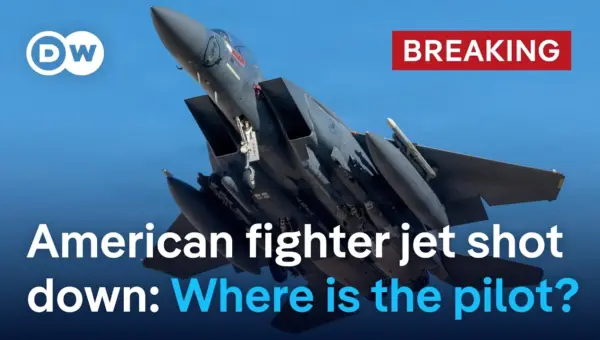
US Jet Downed in Iran: Crew Fate Unknown, War Unpopular
An American F-15 fighter jet has been shot down over Iran, with U.S. officials confirming the loss but offering few details on the crew's fate. The incident occurs amid widespread public opposition to the war and raises questions about Iran's air defense capabilities.
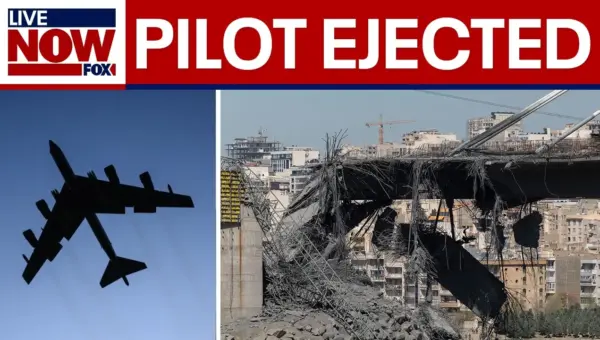
Iran Claims US Pilot Ejected; US Silent Amid Escalating Tensions
Iran claims a U.S. pilot ejected from a fighter jet over its territory, offering a reward for capture. The U.S. has not confirmed the report amid escalating regional tensions. Military experts discuss the strategic implications of U.S. strikes and the potential for internal change in Iran.

US Pilot Feared Lost in Iran; Search Underway
The U.S. military is conducting a search operation inside Iran for an American pilot whose fighter jet may have been downed. Details are limited, with uncertainty over whether the plane was shot down or suffered mechanical failure. The operation highlights the complexities of rescue missions in hostile territory and occurs amid heightened regional tensions.