NASA Astronauts Launch on Historic Artemis II Moon Mission
NASA's Artemis II mission has successfully launched four astronauts on a historic journey to orbit the Moon. The powerful Space Launch System rocket lifted off flawlessly, sending the crew on a critical test flight before future lunar landings. This mission marks a significant step in humanity's return to lunar exploration.

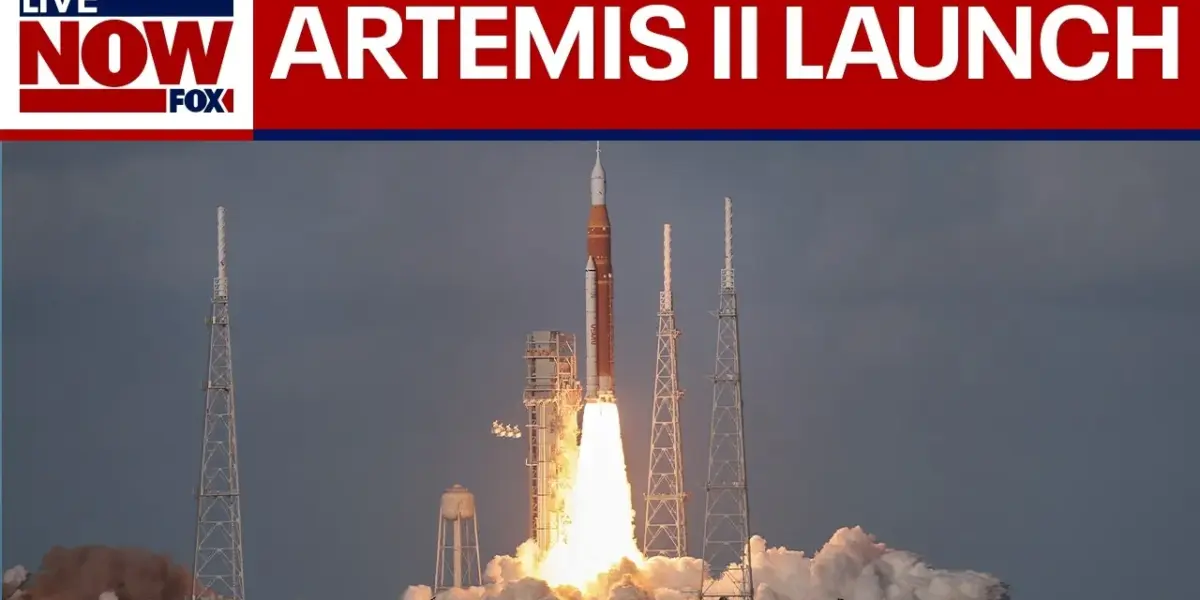
Artemis II Blasts Off: Four Astronauts Begin Historic Journey to the Moon
In a monumental achievement for space exploration, NASA successfully launched the Artemis II mission, sending four astronauts on a groundbreaking voyage around the Moon. Liftoff occurred with a thunderous roar from the Kennedy Space Center, marking humanity’s next significant step toward lunar exploration. The crew, comprising Commander Reid Wiseman, Pilot Victor Glover, and Mission Specialists Christina Cook and Jeremy Hansen, are now en route to perform a lunar flyby, testing critical systems for future missions to the Moon’s surface.
A Powerful Ascent: The Space Launch System Takes Flight
The mission’s success hinges on the powerful Space Launch System (SLS) rocket, the most powerful rocket NASA has ever launched. The launch sequence began with intricate pre-flight checks, including the transfer of power to the rocket’s core and upper stages. Mission control in Houston meticulously monitored every step, from the autonomous launch sequencer taking over countdown duties to the final ignition of the RS25 engines and solid rocket boosters.
“GLS go for a left,” a commentator announced, signaling the rocket was on its own. “Great call out. The rocket is on its own. Four brave explorers ready to ride the most powerful rocket NASA has ever launched.” The SLS performed nominally throughout its ascent, reaching altitudes of over 75 miles and speeds exceeding 10,000 mph within the first few minutes. Key milestones like sound suppression water flow, engine ignition, and booster separation were executed flawlessly.
Journey to the Moon: Key Mission Milestones
Shortly after clearing Earth’s atmosphere, the Artemis II crew experienced the transition to space. “Houston now controlling the flight of Integrity on the Artemis II mission around the clock,” the commentary confirmed. The spacecraft, named Integrity, passed the Kármán line, the recognized boundary of space, with clear communication established. The crew conducted internal checks to verify system accuracy, including the acquisition of GPS signals after the jettison of launch hardware.
A critical phase involved the main engine cutoff (MECO), confirmed at 8 minutes and 2 seconds into the flight. The SLS core stage successfully separated, having completed its primary task of propelling the Orion spacecraft and its upper stage into orbit. The Interim Cryogenic Propulsion Stage (ICPS) remains attached to the Orion spacecraft, ready to perform the burns needed to send the crew towards the Moon.
Astronauts Prepare for Lunar Flyby
Commander Wiseman reported visual confirmation of the Moon, a thrilling moment for the crew and mission control. “We have a beautiful moonrise. We’re headed right at it,” he stated. The crew is now focused on preparing for the trans-lunar injection (TLI) burn, a critical maneuver scheduled for approximately 49 minutes and 50 seconds after launch. This burn will propel Integrity out of Earth orbit and onto its trajectory around the Moon.
While the commander and pilot focus on navigation and trajectory, mission specialists Cook and Hansen are activating essential onboard systems. This includes the environmental control and life support systems. The astronauts have also raised the visors on their launch and entry suits, as the dynamic phase of ascent is complete and the suits are no longer needed for immediate protection. They will later egress from their suits to begin further system checks.
Looking Ahead: The Future of Lunar Exploration
The Artemis II mission is a crucial precursor to future lunar landings. By flying around the Moon and testing the Orion spacecraft’s systems, NASA aims to gather vital data and ensure the safety and reliability of the technology needed to return humans to the lunar surface. The successful launch and initial flight phases of Artemis II signal a promising start to this new era of space exploration. The world will be watching as the crew continues their journey, paving the way for deeper human presence on the Moon and beyond.
Source: Artemis II: NASA launches astronauts on historic moon mission (YouTube)

Related Articles

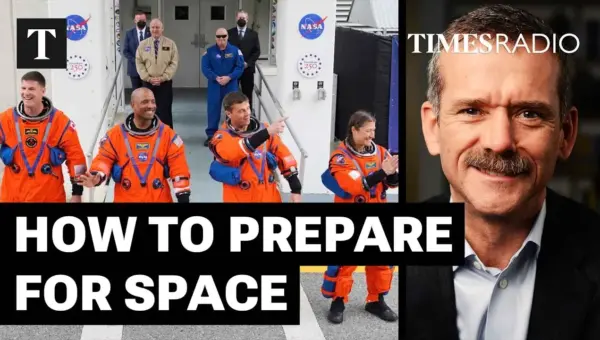
Astronaut Chris Hadfield on Artemis Prep & Space’s Human Heart
Former astronaut Chris Hadfield emphasizes that space exploration's greatest challenge is mental, not physical. He discusses the intense preparation required for missions like Artemis and reflects on the deeply human emotions involved in spaceflight, comparing it to our innate drive to explore.


Humans Return to Moon Orbit After 52 Years
Humans are heading back to the moon for the first time in over 50 years with the Artemis II mission. The four-astronaut crew will orbit the moon, marking a historic return to deep space exploration. Meanwhile, political developments include President Trump's warnings of further strikes against Iran and a leadership change at the Justice Department.

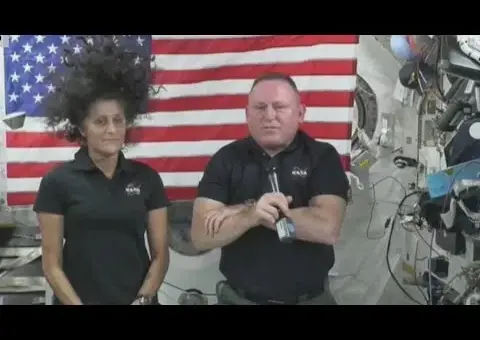
Artemis II Fuels New Space Race Era
NASA's Artemis II mission, sending astronauts beyond the Moon for the first time in 50 years, signals a new era of space exploration. Astronaut Butch Wilmore's insights from past challenges and the mission's pristine progress highlight renewed ambition amidst global space competition. This journey is poised to reshape international relations and technological leadership.