Trump Promises Swift End to Iran Conflict: Is It Realistic?
Former President Donald Trump claims a U.S. conflict with Iran could be finished in two to three weeks, citing actions against missile facilities. This prediction contrasts with the often lengthy nature of modern warfare, raising questions about its realism and potential impact on regional stability.

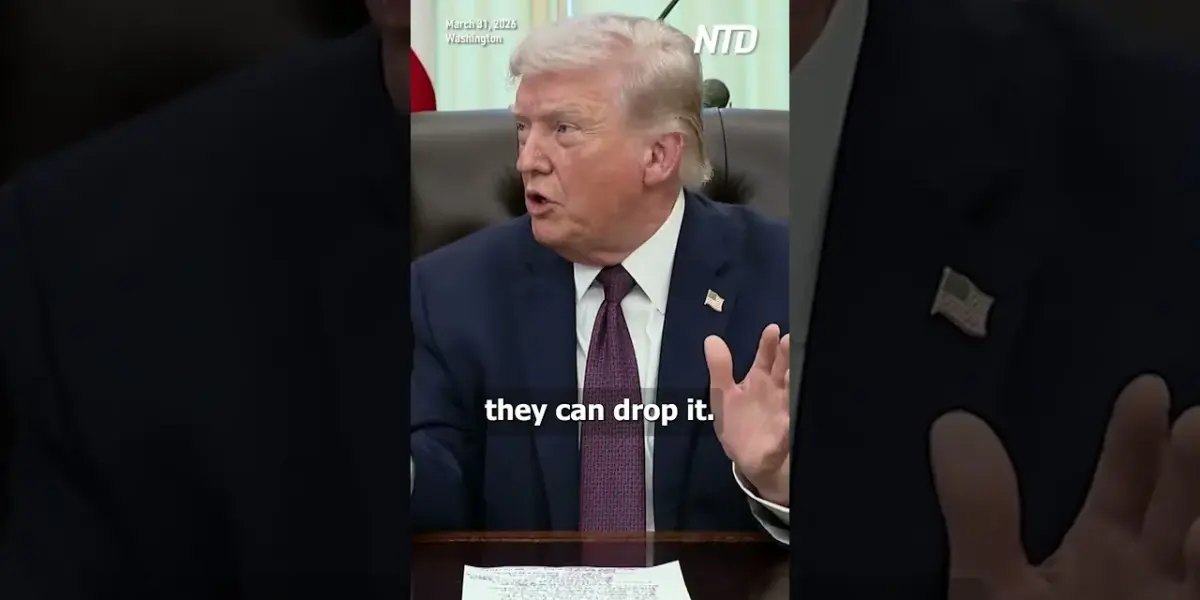
Trump’s Bold Prediction on Iran Conflict
Former President Donald Trump recently stated that any conflict the United States might be involved in with Iran would be over very quickly. He suggested this could happen within two to three weeks. This claim comes as tensions in the Middle East remain a significant global concern. Trump indicated that the U.S. has been taking strong action against Iran’s military capabilities.
Actions and Rhetoric
According to Trump, U.S. forces have been targeting and destroying missile-making facilities in Iran. He described these strikes as hitting “tremendous amounts of missile making facilities.” This aggressive stance suggests a belief in decisive military action to achieve a swift resolution. He also mentioned that the U.S. would be “gone” or “done with the war” once these actions are completed, implying a desire for a rapid withdrawal after achieving objectives.
Understanding the Context of Naval Incidents
The transcript touches on the nature of potential conflicts in crucial shipping lanes. Trump described scenarios where small-scale attacks could disrupt trade. He mentioned a “guy” taking a mine and dropping it in the water, or using a machine gun from the shore to shoot at ships. These actions, he implied, could make areas unsafe for navigation. He contrasted these smaller threats with taking out an army or an entire country, suggesting that the U.S. response is not aimed at a full-scale invasion or occupation.
A Shift in Strategy?
Trump’s comments suggest a strategic approach focused on degrading Iran’s offensive capabilities rather than engaging in a prolonged occupation. He stated, “I think when we leave probably that’s all cleared up.” This implies that the U.S. military action is intended to remove immediate threats to shipping and then depart. The mention of France and other nations using the trade routes also hints at a broader international interest in the security of these waterways.
Historical Background of US-Iran Tensions
The relationship between the United States and Iran has been complex and often fraught with tension for decades. Following the 1979 Iranian Revolution, diplomatic ties were severed, and mistrust has been a defining feature of their interactions. Key flashpoints have included Iran’s nuclear program, its support for regional militant groups, and incidents involving naval vessels in the Persian Gulf and Strait of Hormuz. The U.S. has, at various times, imposed sanctions and conducted military operations or exercises in the region aimed at deterring Iranian aggression and protecting its interests and allies.
Why This Matters
Trump’s assertion of a quick resolution to potential conflict with Iran is significant because it contrasts with the typical protracted nature of modern warfare. If such a swift end were achievable, it could have major implications for regional stability and global oil prices, which are sensitive to Middle Eastern conflicts. The credibility of his prediction depends heavily on the actual effectiveness of the military actions he described and Iran’s response. A rapid conclusion could potentially avert a longer, more costly engagement, but it also raises questions about the sustainability of any peace achieved and the underlying causes of the conflict.
Implications and Future Outlook
The implications of Trump’s statement are far-reaching. A quick resolution, as he envisions, would mean less disruption to global trade and potentially fewer human casualties. However, if the underlying issues that fuel the conflict are not addressed, the “cleared up” situation might only be temporary. The future outlook hinges on whether diplomatic solutions can be pursued alongside or after any military actions. The effectiveness of targeted strikes in permanently neutralizing threats is also a key consideration. History shows that military solutions alone often fail to bring lasting peace to complex geopolitical situations, suggesting that a comprehensive strategy would be needed.
Balanced Viewpoints
While Trump expresses confidence in a swift victory, military analysts and foreign policy experts often caution against underestimating the complexities of Middle Eastern conflicts. Iran possesses asymmetric warfare capabilities and regional proxies that can prolong engagements or create new challenges. The effectiveness of destroying missile facilities in a short timeframe, without sparking a wider, more devastating conflict, is a subject of debate. Furthermore, the political and economic consequences of such actions, both domestically and internationally, require careful consideration. A balanced perspective acknowledges both the potential for decisive action and the significant risks involved in any military confrontation.
Source: Trump Says US Conflict With Iran Will Be ‘Finished’ in 2–3 Weeks (YouTube)

Related Articles


Trump’s Florida Project: Hotel or Grift on Stolen Land?
Donald Trump's planned presidential library in Florida, featuring a golden statue, is facing accusations of being a "grift." The project, slated for land reportedly taken from a community college, is now being described by Trump himself as likely a luxury hotel, raising questions about its true purpose and the ethics of the land deal.

China’s Cyberattacks and Island Building Raise Alarm
China's recent cyberattacks and intensified island-building in the South China Sea are raising global alarms. While the U.S. regains ground in the space race, concerns grow over China's assertiveness and its impact on regional stability and international commerce.
Pilot Rescued After US Jet Downed Over Iran
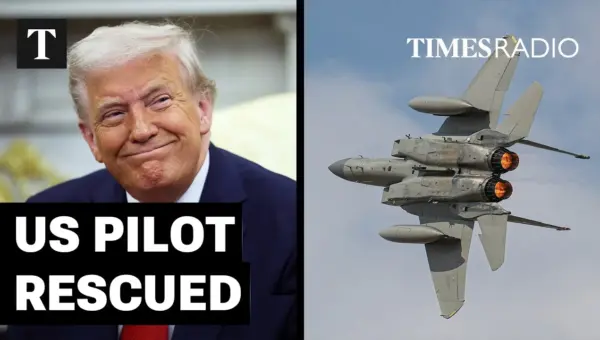
A U.S. pilot has been rescued after an F-15 fighter jet was shot down over Iran, but concerns remain for the second crew member. The incident brings back historical parallels of the Iran hostage crisis and raises questions about the current administration's military and political strategy.