Iran Talks Offer Chance, But US Military Stands Ready
The U.S. is offering Iran a chance to negotiate nuclear and military concerns, but maintains a strong military presence. Mixed messages are intentional, aiming to pressure Iran. While a deal isn't required, U.S. military assets are in place to ensure regional stability and deter threats.

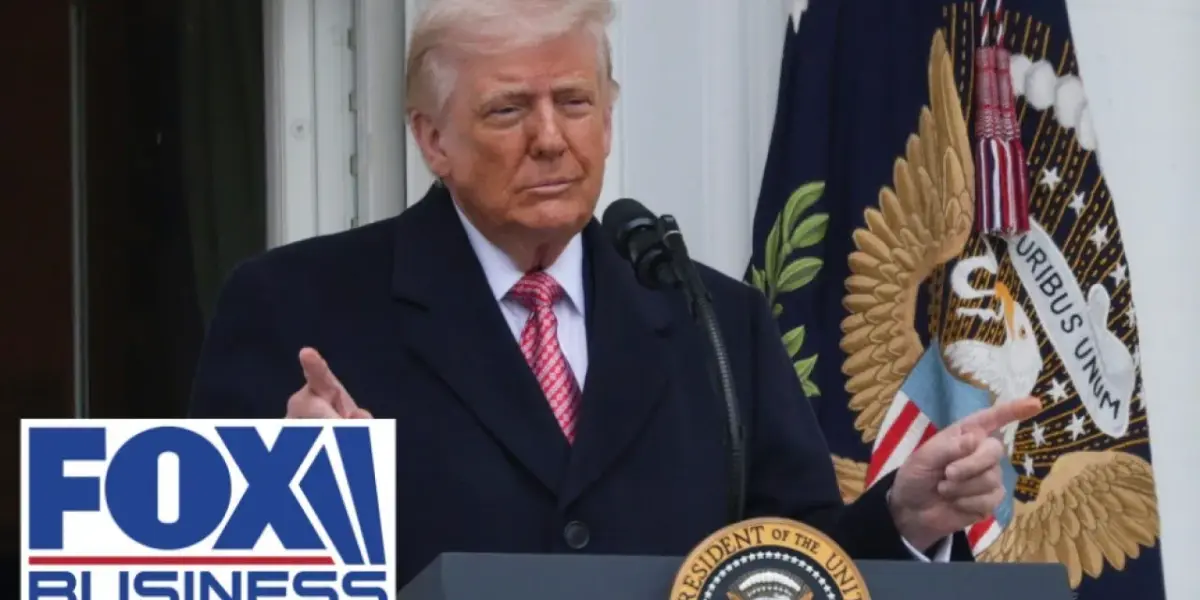
Iran Talks Offer Chance, But US Military Stands Ready
The United States is sending mixed signals to Iran, offering a path to negotiation while maintaining a strong military presence in the region. This strategy aims to pressure Iran into talks about its nuclear program, drone, and missile capabilities. A former CIA station chief suggests these messages are intentional. The goal is to dismantle Iran’s defense industry and prevent it from developing nuclear weapons. This includes locating roughly 1,000 pounds of enriched uranium.
Mixed Messages and Military Might
President Trump has consistently stated clear objectives regarding Iran’s nuclear program and military assets. However, the method of achieving these goals involves what appears to be deliberate mixed messaging. Iran is being given a chance to negotiate, a path the President has pursued before. At the same time, the U.S. has increased its military readiness. Over 15,000 U.S. troops are in the area, and a new aircraft carrier, the USS George H.W. Bush, has been deployed.
A Different Kind of Warfare
This situation is described as a different kind of warfare than what many are used to. Instead of large-scale ground troop deployment, the focus is on military assets and strategic positioning. Propaganda, or messaging, is seen as very important in this context. This is especially true given the uncertainty about who exactly the U.S. is negotiating with inside Iran. The country’s leadership has recently experienced significant changes, including the reported injury of its Supreme Leader and the Speaker of Parliament taking a larger role.
Negotiation Prospects Remain Unclear
While the President is offering Iran opportunities to negotiate, there is little evidence that Iran is ready to engage in good-faith talks. Recent drone and missile attacks against the UAE and continued activity in the Strait of Hormuz suggest otherwise. Indirect negotiations are reportedly happening in Pakistan. However, those currently in power in Iran appear to be closely tied to hard-line factions like the Islamic Revolutionary Guard Corps (IRGC).
U.S. Does Not Require a Deal
President Trump has indicated that a deal with Iran is not strictly necessary for U.S. operations to conclude. He stated that if Iran is put into a position where it cannot develop nuclear weapons for an extended period, the U.S. could withdraw. Whether a deal is reached depends on Iran’s willingness to negotiate. The President believes Iran wants a deal more than he does. He suggested that U.S. involvement could end relatively quickly once Iran’s nuclear capabilities are neutralized.
Long-Term Strategy and Contingencies
The U.S. would prefer a long-term deal. The military assets were positioned before any potential conflict to provide leverage at the bargaining table. If no deal is reached, and Iran’s defense industrial base is dismantled, and its enriched uranium secured, the U.S. faces a scenario where it might need to re-engage later. This could happen if Iran’s regime doesn’t change its behavior. Without a deal or regime change, the U.S. or allies like Israel might have to address Iran’s weapons programs again in the future.
Supporting Opposition Movements
The possibility of intelligence agencies, like the CIA, supporting an opposition movement within Iran has been raised. However, this is considered very difficult. The IRGC and the Basij paramilitary force have a strong hold on the population. Supporting an indigenous protest movement would likely require providing weapons, which means U.S. troops would need to be on the ground to vet recipients. While the President could request such actions, it’s a complex option.
Historical Parallels and Iranian Ruthlessness
Comparisons have been made to the Solidarity movement in Poland and the opposition in Czechoslovakia during the Cold War. These movements achieved change through the power of labor and popular resistance, not necessarily through weapons. However, the current Iranian regime is described as historically ruthless. They have shown a willingness to kill tens of thousands of their own citizens and have severely restricted internet access. This level of control and suppression of human rights is compared to situations in North Korea and Belarus.
Market Impact
The ongoing tensions and diplomatic maneuvering between the U.S. and Iran create uncertainty in global markets, particularly concerning oil prices and regional stability. Any escalation could lead to disruptions in oil supply from the Strait of Hormuz, a critical chokepoint for global energy transport. Investors closely monitor these developments for potential impacts on inflation and economic growth. The U.S. military posture suggests a commitment to maintaining stability, but the lack of a clear resolution introduces ongoing risk.
What Investors Should Know
Investors should be aware that geopolitical risks, especially those involving major oil-producing regions, can significantly influence market sentiment and asset prices. While the U.S. is signaling a willingness to negotiate, its strong military stance indicates a readiness to act if necessary. This dual approach means that market reactions will likely be sensitive to any shifts in diplomatic progress or military actions. Diversification and a long-term investment perspective are crucial when navigating such uncertain geopolitical environments. The potential for disruptions in energy markets remains a key factor to consider.
Source: Trump is giving Iran the chance to negotiate, but he's got the hammer ready, expert says (YouTube)

Related Articles
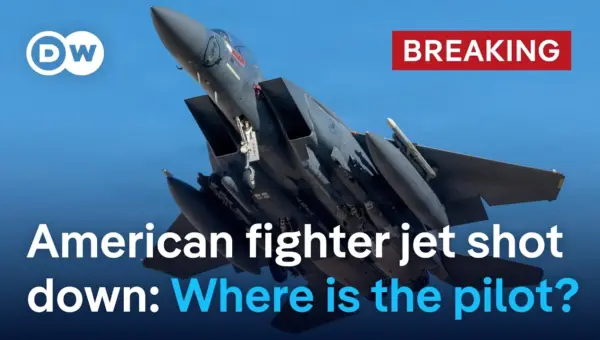
US Jet Downed in Iran: Crew Fate Unknown, War Unpopular
An American F-15 fighter jet has been shot down over Iran, with U.S. officials confirming the loss but offering few details on the crew's fate. The incident occurs amid widespread public opposition to the war and raises questions about Iran's air defense capabilities.
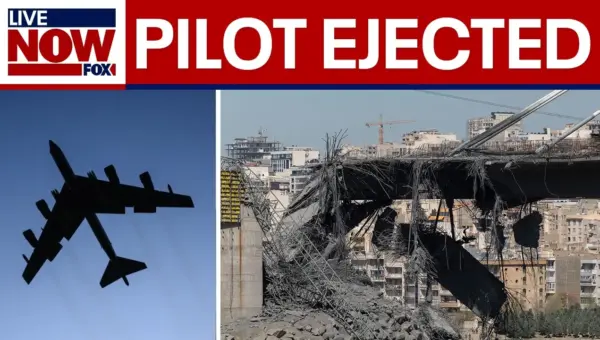
Iran Claims US Pilot Ejected; US Silent Amid Escalating Tensions
Iran claims a U.S. pilot ejected from a fighter jet over its territory, offering a reward for capture. The U.S. has not confirmed the report amid escalating regional tensions. Military experts discuss the strategic implications of U.S. strikes and the potential for internal change in Iran.

US Pilot Feared Lost in Iran; Search Underway
The U.S. military is conducting a search operation inside Iran for an American pilot whose fighter jet may have been downed. Details are limited, with uncertainty over whether the plane was shot down or suffered mechanical failure. The operation highlights the complexities of rescue missions in hostile territory and occurs amid heightened regional tensions.