Chief Justice Questions Trump’s Birthright Citizenship Plan
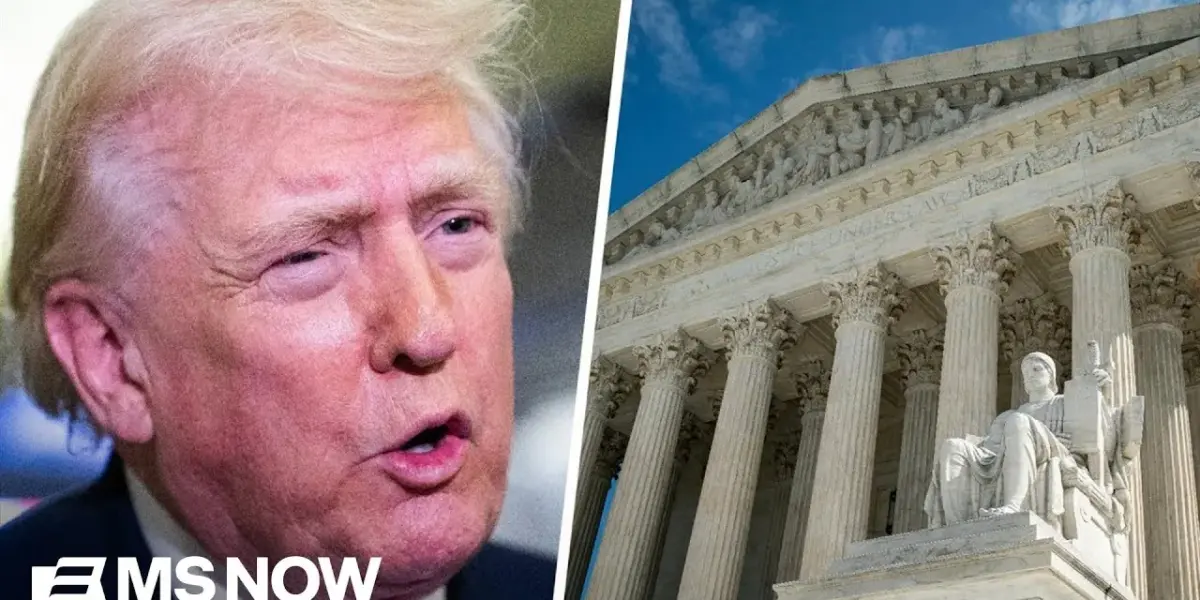
Supreme Court justices expressed significant doubt about Donald Trump's plan to end birthright citizenship for children of undocumented immigrants. President Trump attended the oral arguments, a first for a sitting president, but reporters observed no sign that the justices were intimidated by his presence.

Justices Skeptical of Trump’s Birthright Citizenship Bid
Supreme Court justices, including those with conservative leanings, expressed significant doubt regarding Donald Trump’s effort to end birthright citizenship for children of undocumented immigrants and temporary residents. The skepticism was evident during oral arguments, which Trump himself attended, becoming the first sitting president to witness such proceedings.
Trump Attends Oral Arguments, Faces Judicial Scrutiny
Donald Trump, who had publicly criticized the justices, sat in the public gallery as his solicitor general presented arguments. Chief Justice John Roberts appeared unconvinced, questioning the legal basis for challenging birthright citizenship. He highlighted the phrase “subject to the jurisdiction thereof” in the 14th Amendment, suggesting the government’s interpretation was based on unusual reasoning.
A “New World,” But the “Same Constitution”
Justice Samuel Alito pointed out the modern reality of global travel, noting that eight billion people are just a plane ride away from having a child who could be a U.S. citizen. Chief Justice Roberts responded, “Well, it’s a new world. It’s the same Constitution.” This exchange underscored the tension between contemporary global dynamics and the enduring framework of American law.
Justices Raise Numerous Concerns
Throughout the arguments, justices from across the ideological spectrum raised a variety of concerns. They questioned the textual support for the government’s position, suggesting it relied on obscure historical interpretations rather than the clear meaning of the 14th Amendment. Specific questions arose about the practicalities of requiring parents to present documents at birth and how citizenship would be determined under the proposed rule.
“The text of the clause, I think, does not support you. I think you’re sort of looking for some more technical esoteric meaning.”
Supreme Court Justice
Justices also debated the original intent of the 14th Amendment, noting its purpose was to grant citizenship to newly freed slaves. They questioned how this historical context supported the government’s attempt to limit citizenship based on parental status rather than place of birth.
Legal Experts See Skepticism as Positive Sign
Mary McCord, former Acting Assistant Attorney General for National Security, whose organization previously won an injunction against Trump’s birthright citizenship order, expressed optimism after the arguments. She noted that the toughest questions were directed at the government’s representative, John Sauer, indicating a lack of strong legal footing for their position.
McCord explained that Sauer’s arguments were inconsistent with the text of the 14th Amendment and subsequent statutes. She pointed out that Congress had opportunities to change interpretations of birthright citizenship in 1940 and 1952 but did not, suggesting that the current legal framework is well-established.
She added that the government has struggled to find a legal theory that exempts certain individuals from birthright citizenship, particularly one based on parental status rather than birth on U.S. soil. The “domicile theory,” which the government appeared to rely on, lacks significant historical or legal precedent, despite the term appearing in past cases.
Trump’s Presence: Intimidation or Justification?
The presence of President Trump at the hearing was a significant point of discussion. While Trump had frequently attacked the judiciary, his attendance was seen by some as an attempt to intimidate the justices. However, legal reporters observed no indication that the justices were swayed by his presence.
Instead, it appeared that Trump’s solicitor general, John Sauer, felt the pressure, with his voice becoming more animated and rapid as the arguments progressed. This behavior did not seem to affect the justices’ deliberations.
Threats Against Judges and Erosion of Norms
The discussion also touched upon the broader issue of threats against judges, a tactic sometimes employed by Trump and his allies. The vulnerability of judges was highlighted, referencing the tragic case of Judge Esther Salas, whose son was murdered after threats were made against her. The presence of Trump, who is not known for deep engagement with constitutional law, at such a pivotal hearing was viewed as a low point for the separation of powers and democratic norms.
The arguments presented by Trump’s legal team were described as relying on racist historical sentiments from the late 19th century, targeting Black and Chinese populations. These arguments, which failed in the past, were seen as being recycled in the current proceedings. The involvement of figures like John Eastman, known for his role in challenging the 2020 election results, further underscored the controversial nature of the movement against birthright citizenship.
Looking Ahead
The Supreme Court’s eventual ruling on birthright citizenship will have significant implications for millions of families and the future interpretation of the 14th Amendment. The strong skepticism shown by the justices during oral arguments suggests that a radical departure from established legal precedent is unlikely, but the final decision remains eagerly awaited.
Source: 'New world…same Constitution': Chief Justice STINGS Trump on birthright citizenship (YouTube)

Related Articles

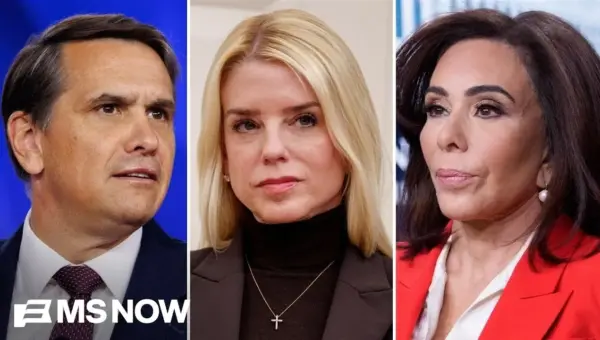
Trump’s Impossible Demands Reshape Justice Department
President Trump's demand for loyalty and action outside legal norms has reshaped the Justice Department. Recent departures, like Pam Bondi's, highlight the difficulty of fulfilling the President's "impossible tasks." The search for a new Attorney General continues amidst concerns about the DOJ's independence.

Trump’s Leadership: A Moral Vacuum for Young Learners?
Young people seek moral guidance from leaders, but what lessons does Donald Trump offer? Some argue his approach teaches negative behaviors like bullying and isolation, contrasting with traits like patience and gratitude seen in others. This raises questions about leadership character and its impact on societal values.

Trump’s Transparency: A Press Secretary’s Bold Claim
President Trump's press secretary, Sarah Huckabee Sanders, claims his public persona is identical to his private one. She states his directness eliminates guesswork, making her job easier by providing clear, unspun messages.