Europe’s ‘Short-Sighted’ US Stance Fuels Market Jitters
Market strategist Mike Crane criticizes Europe's "short-sighted behavior" towards the U.S. and geopolitical threats, citing jealousy and a focus on diplomacy over security. He warns that Europe's energy policies and reluctance to address issues like the Strait of Hormuz could lead to instability, while also noting shifts in global finance from U.S. Treasuries to gold.


Europe’s ‘Short-Sighted’ US Stance Fuels Market Jitters
Market strategist Mike Crane is sounding the alarm on Europe’s approach to global security and its relationship with the United States, calling it “short-sighted behavior.” This sentiment, he argues, is driven by jealousy and a desire to preserve diplomatic niceties over practical security concerns. Crane believes Europe’s focus on maintaining pleasant conversations and comfortable negotiations, often in luxurious settings, blinds them to significant geopolitical shifts and threats.
Jealousy and Shifting Alliances
Crane points to Europe’s reaction to rising global powers, noting that some European nations have “cheered the rise of China as a competitor to the United States.” He also highlights what he sees as a concerning embrace of Russia, including a reliance on Russian gas supplies and an abandonment of nuclear power. This, in his view, is a dangerous path driven by a desire to maintain diplomatic ties rather than address fundamental security and economic realities.
The Strait of Hormuz: A Critical Flashpoint
A major point of contention is Europe’s stance on the Strait of Hormuz, a vital waterway for global oil transport. Crane suggests that the U.S. has exposed Iran’s control over this strait, identifying Iran as a nation that has been a long-time sponsor of terrorism. Europe’s reluctance to fully cooperate with U.S. efforts to ensure safe passage for oil, Crane argues, is a costly mistake. He contrasts this with the Marshall Plan, where the U.S. actively countered a clear imperial threat.
“The simple reality is that Europe is basically in a tremendous amount of jealousy towards the United States,” Crane stated. “They cheered the rise of China as a competitor to the United States and candidly they embrace the return to Russia their abandonment of nuclear power reliance on Russian gas supplies and it every seven this process has been very shortsighted behavior.”
Economic Shifts and Green Energy Regrets
The conversation also touched on the economic decisions made by European nations, particularly Germany, regarding energy policy. Crane suggests that a strong commitment to the “green movement” might be something they are beginning to regret, especially in light of current energy security challenges. This is seen as another instance of prioritizing long-term, potentially unachievable, environmental goals over immediate, practical needs.
The Trump Factor and Diplomatic Class
Crane believes that the election of Donald Trump was, in part, a reaction against the established “diplomatic class.” He suggests that past Democratic administrations focused too much on “polite engagement” on the global stage. In contrast, the U.S. under Trump, and potentially moving forward, is asserting its economic interests more directly. This involves demanding fair terms for market access, ensuring other nations pay comparable fees for accessing U.S. markets as the U.S. does for theirs.
Foreign Holdings of Treasuries and the Rise of Gold
The discussion shifted to financial markets, specifically the holdings of U.S. Treasuries by foreign entities. While headlines might suggest a dramatic plunge, Crane notes that these holdings have been drifting downward for some time. He links this trend, and the increasing importance of gold as a store of value, to the U.S. sanctions on Russia in 2022. When the U.S. seized Russia’s reserves, it sent a message: countries behaving contrary to U.S. interests could not rely on U.S. government securities to store their trade surpluses. This prompted nations like China to diversify into gold.
Federal Reserve Policy and Inflation Fears
A significant point of concern for Crane is the Federal Reserve’s potential misreading of the current economic situation. Following recent testimony, Fed officials indicated no rush to cut interest rates, citing the possibility that higher oil prices could prove inflationary. Crane calls this a “catastrophic misreading.” He argues that unlike in 2022, when stimulus and remote work provided a buffer, current American households cannot easily absorb the impact of rising energy costs. A roughly $1500 increase in annual expenses due to higher gas prices could further strain the economy and accelerate existing credit issues.
Market Impact and Investor Considerations
Crane suggests that Europe’s current diplomatic approach, while aiming for civility, is failing to address critical geopolitical and economic realities. Their reliance on Russian energy and their hesitant response to threats in vital shipping lanes could lead to significant economic instability. For investors, this highlights potential risks in European energy markets and raises questions about the long-term stability of global trade routes. The shift in foreign holdings from U.S. Treasuries towards gold, driven by geopolitical actions, signals a growing distrust in traditional safe-haven assets and a search for alternatives. Furthermore, the Federal Reserve’s stance on interest rates, potentially overlooking the inflationary impact of energy prices on household budgets, could lead to a more challenging economic environment than anticipated. Investors should monitor energy prices closely and consider how consumer spending power might be affected by rising costs, potentially impacting corporate earnings and overall market sentiment.
Source: ‘SHORT-SIGHTED BEHAVIOR:’ Market strategist on Europe’s sentiment toward the US amid Iran war (YouTube)

Related Articles


US Pilot Feared Lost in Iran; Search Underway
The U.S. military is conducting a search operation inside Iran for an American pilot whose fighter jet may have been downed. Details are limited, with uncertainty over whether the plane was shot down or suffered mechanical failure. The operation highlights the complexities of rescue missions in hostile territory and occurs amid heightened regional tensions.

US Policy Shift Stuns Allies, Weakens Global Security
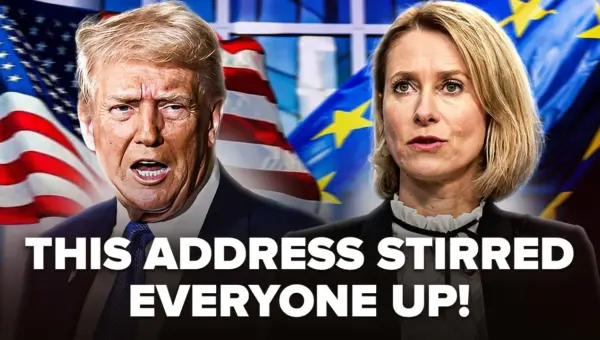
US policy shifts regarding Ukraine, the Strait of Hormuz, and NATO are raising concerns among allies and creating global instability. Critics point to a lack of strategic planning and diplomatic consultation, potentially emboldening adversaries and undermining international security.
Strait of Hormuz Tensions Risk Wider Middle East War
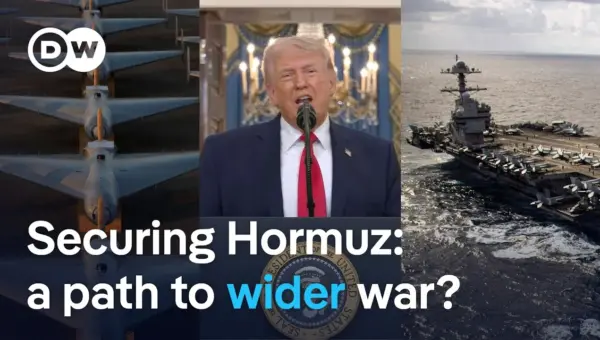
Efforts to secure the vital Strait of Hormuz risk triggering a wider Middle East war, according to UN warnings and security analysts. The narrow waterway is crucial for global trade, and forcing it open against Iran's objections could escalate regional tensions dramatically. Experts highlight the complex geography, Iran's remaining military capabilities, and the involvement of regional players as key factors in the volatile situation.