Iran Mocks Trump’s Claims Amidst Shifting Global Alliances
Iran's leadership is directly challenging Donald Trump's narrative, using social media and open letters to refute claims of a ceasefire. This comes amidst reports of significant U.S. military build-up in the region. The situation highlights a growing rift in international alliances and raises concerns about global stability.

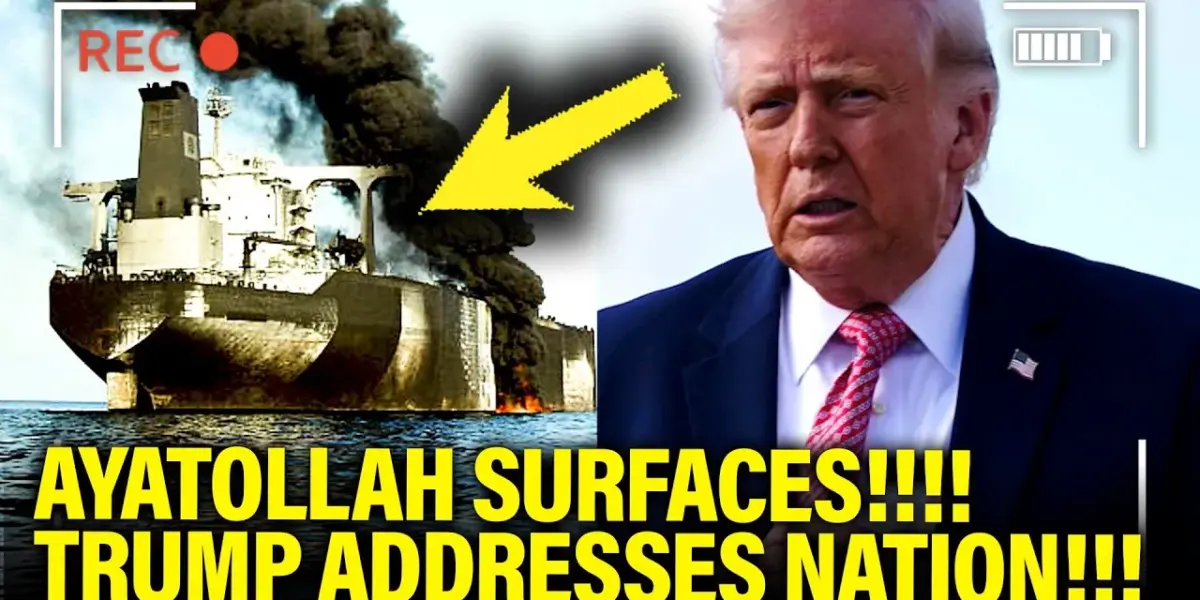
Iran Mocks Trump’s Claims Amidst Shifting Global Alliances
The delicate dance between the United States and Iran has taken a sharp turn, with Iranian leaders directly challenging Donald Trump’s public statements. This comes as Iran’s Supreme Leader, the Ayatollah, broke his silence on social media. His message was clear: Iran remains committed to supporting resistance against the U.S. and its allies. This statement directly contradicts claims made by Donald Trump earlier. Trump had suggested that Iran had offered a ceasefire, a notion Iran seems to be actively refuting.
Iran’s Direct Challenge to Trump’s Narrative
The Ayatollah’s social media post stated, “I emphatically declare that the consistent policy is the of the Islamic Republic of Iran following on the path of Imam Kmeni and the martyed leader is to continue supporting the resistance against the Zionist US enemy.” This was followed by an open letter from Iran’s President, Ebrahim Raisi, to the American people. Raisi emphasized Iran’s lack of enmity towards other nations and framed Iran’s actions as self-defense against U.S. aggression.
“What Iran has done and continues to do is a measured response grounded in legitimate self-defense,” Raisi wrote. He also pointed to the U.S. withdrawal from the Iran nuclear deal as a key factor. “Continuing along the path of confrontation is more costly and futile than ever before.”
These messages were strategically released before a planned speech by Donald Trump. Meanwhile, Iranian social media accounts have been actively mocking Trump’s assertions. Posts have included humorous memes, like a bull with its head in a treehole, captioned “Trump trying to get out of Iran.” They also sarcastically referenced U.S. military readiness and the implications of potential conflict on global energy markets.
Debunking Ceasefire Claims and Military Posturing
The transcript highlights a stark contrast between U.S. and Iranian messaging. While Trump claimed Iran offered a ceasefire, Iranian officials and social media have repeatedly denied this. They have stated their non-negotiables, including retaining ballistic missiles, seeking reparations, controlling the Strait of Hormuz, and demanding the withdrawal of U.S. military bases from the Middle East. They have also made it clear they will not adhere to any deadlines set by Trump.
Adding to the tension, reports suggest significant U.S. military build-up in the region. This includes the planned deployment of additional A-10 ground attack aircraft, which are typically used to support ground troops. Some analysts interpret this as a potential sign of an impending ground invasion, possibly targeting Iranian territory or nuclear facilities. This military posturing occurs amidst ongoing escalations, including a significant ballistic missile barrage from Iran targeting Israel.
Shifting Alliances and NATO’s Future
The situation also raises questions about the future of international alliances. Donald Trump has been critical of NATO, blaming the alliance for the current conflict and even threatening to withdraw. This stance has put pressure on European allies. The Financial Times reported that Trump threatened to halt weapons supplies to Ukraine, part of NATO’s procurement initiative, unless European nations helped reopen the Strait of Hormuz. While some European countries expressed readiness to ensure safe passage, their approach has been described as defensive, potentially misjudging Trump’s resolve.
Furthermore, reports indicate a potential shift in U.S. foreign policy, with speculation that Trump might lift sanctions on Russia and allow Russian officials to visit Washington D.C. This, coupled with criticism from European leaders about the consequences of U.S. actions in the Middle East, suggests a fracturing of traditional alliances. The transcript also notes instances where European countries have denied the use of their airspace, further indicating growing divergence.
Historical Context and Future Outlook
The current tensions are rooted in decades of complex U.S.-Iran relations, marked by the 1979 revolution, the Iran hostage crisis, and subsequent economic sanctions and military confrontations. The withdrawal from the Iran nuclear deal in 2018 by the Trump administration significantly escalated tensions. Iran’s actions, including its support for regional proxy groups and its ballistic missile program, are viewed by the U.S. and its allies as destabilizing. Conversely, Iran sees these actions as necessary for its security and sovereignty in the face of perceived U.S. and Israeli aggression.
The conflicting narratives and military build-up create a volatile situation. While some U.S. officials, like former Ambassador to NATO Kurt Volker, speak of celebrating military success and a U.S. energy independence advantage, the reality on the ground appears far more complex. Iran’s social media campaign, using humor and direct challenges, suggests a confidence in their position and a willingness to engage in a war of information. The future likely holds continued diplomatic maneuvering, potential military escalation, and a reevaluation of global security partnerships, especially concerning the Strait of Hormuz and broader Middle East stability.
Why This Matters
This situation is critical because it directly impacts global peace and security. The Strait of Hormuz is a vital shipping lane for oil, and any disruption could lead to significant economic consequences worldwide. The conflicting messages from both sides create uncertainty and increase the risk of miscalculation, potentially leading to wider conflict. The erosion of trust between nations and the potential fracturing of alliances like NATO also have long-term implications for international cooperation and global stability. Understanding Iran’s perspective, even through its social media, is crucial for grasping the full scope of the geopolitical dynamics at play and for navigating a path toward de-escalation.
Source: Trump PANICS as AYATOLLAH SURFACES with MESSAGE IN WAR!!! (YouTube)

Related Articles
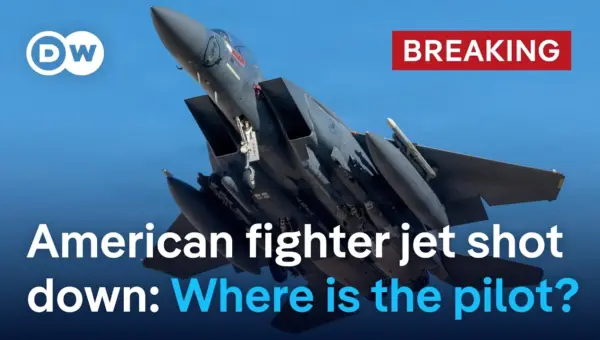
US Jet Downed in Iran: Crew Fate Unknown, War Unpopular
An American F-15 fighter jet has been shot down over Iran, with U.S. officials confirming the loss but offering few details on the crew's fate. The incident occurs amid widespread public opposition to the war and raises questions about Iran's air defense capabilities.
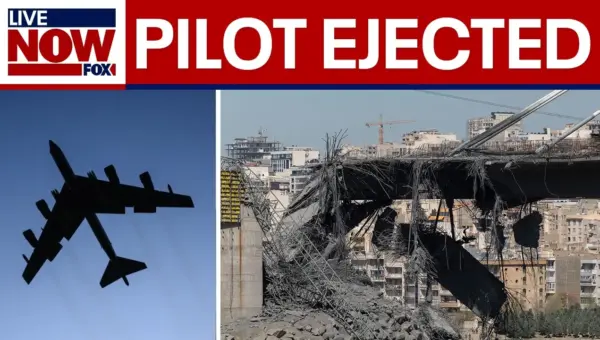
Iran Claims US Pilot Ejected; US Silent Amid Escalating Tensions
Iran claims a U.S. pilot ejected from a fighter jet over its territory, offering a reward for capture. The U.S. has not confirmed the report amid escalating regional tensions. Military experts discuss the strategic implications of U.S. strikes and the potential for internal change in Iran.

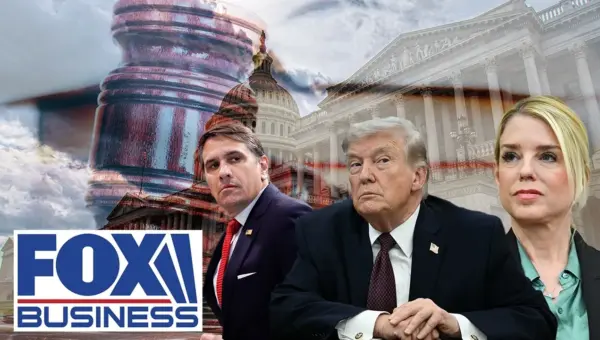
Trump Ousts AG Bondi, Eyes Zeldin as Successor
Pam Bondi is out as Attorney General after one year, with Deputy AG Todd Blanche serving as Acting AG. President Trump confirmed the departure, praising Bondi and hinting at a new private sector role. Lee Zeldin is reportedly being considered as Bondi's permanent replacement, amid ongoing speculation about other cabinet changes.