Trump Weighs Iran Ceasefire for Strait of Hormuz
President Donald Trump is reportedly exploring a ceasefire with Iran in exchange for reopening the Strait of Hormuz. This comes as Trump prepares to address the nation, with speculation high on Capitol Hill regarding the war's future. The potential deal faces public skepticism and requires Iranian cooperation.

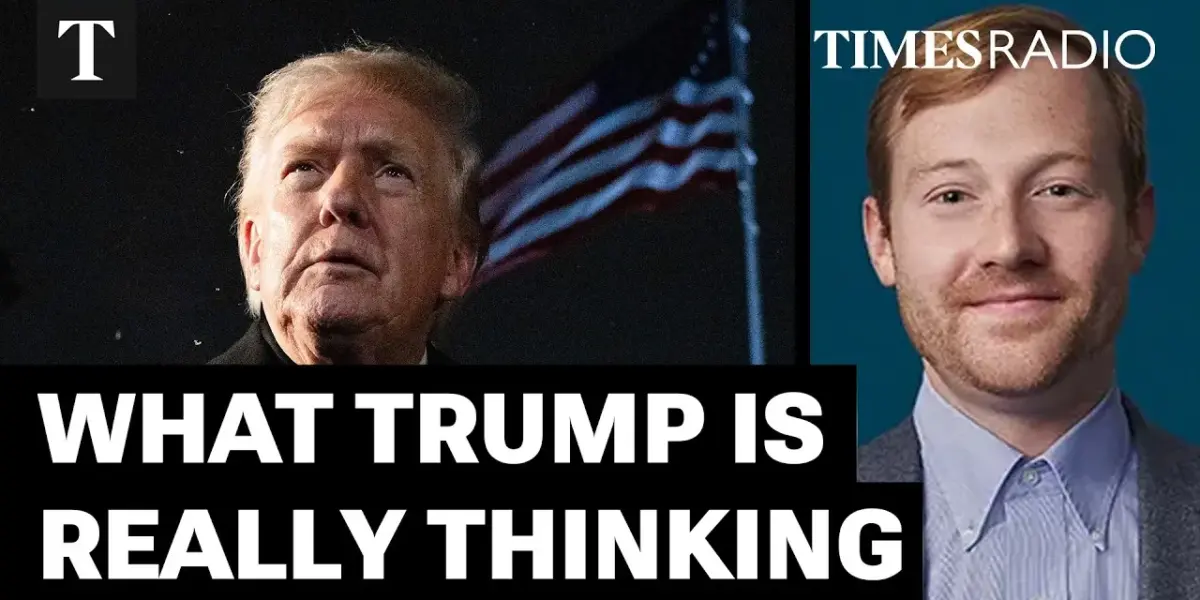
Trump Considers Iran Ceasefire for Strait of Hormuz Reopening
President Donald Trump is reportedly considering a significant diplomatic move: a ceasefire in the ongoing conflict with Iran in exchange for the reopening of the vital Strait of Hormuz. This potential deal comes as Trump prepares to address the nation with an update on the war, a move sparking widespread speculation on Capitol Hill.
White House Hints at Status Update, Not Major Announcement
While the White House initially suggested Trump’s address would be a status report, outlining progress and a previously mentioned two-to-three-week timeline for concluding the war, new developments have shifted the focus. Axios, a U.S. news website, reported that negotiations for a ceasefire are indeed underway. The core of the proposed deal involves Iran allowing the free passage of ships through the Strait of Hormuz, a critical global oil route, in return for an end to hostilities.
Vice President Involved in Ceasefire Talks
According to Axios’s national security editor Dave Lawler, Vice President Vance has been involved in raising this proposal through mediators. The U.S. is said to be seriously considering a ceasefire if Iran agrees to reopen the Strait of Hormuz. However, public statements from Iran have so far been dismissive of such possibilities. The key question remains whether Iran is showing more willingness behind closed doors.
“We don’t have total visibility of course into the Iranian side of the equation and so that’s kind of the key factor at this point. Are they serious about opening for Moose if they can get a ceasefire?”
Dave Lawler, National Security Editor, Axios
Public Skepticism and Domestic Pressure
The potential deal surfaces amid growing public concern over the war’s duration and cost. Polls show declining approval for the conflict, with many Americans feeling the impact in their wallets, particularly through rising gas prices. Trump’s own approval ratings have seen a slight dip, coinciding with the war’s progression. The White House, however, maintains that the war is progressing well and targets are being met, despite what they view as media portrayals of a quagmire.
Allies Express Concerns, Trump Consults Saudi Arabia
Adding complexity to the situation, reports indicate Trump spoke with Saudi Arabia’s Crown Prince Mohammed bin Salman. This call comes after reports that Gulf states had urged Trump not to end the war without significant regime change in Iran. Saudi Arabia, in particular, has privately argued that leaving the conflict unresolved would be the worst-case scenario. Trump’s call to the Crown Prince may be an effort to build consensus around the ceasefire idea, though the Crown Prince has not previously shown enthusiasm for such a deal.
Iran’s Response and Future Clarity
Iran has publicly denied claims that they requested a ceasefire from Trump, labeling such assertions as false. A letter from the Iranian president to the American people is expected, which may offer more clarity on their position. However, it could also reiterate their stance that the U.S. is the one desperate for a deal.
NATO Criticism Continues Amidst Diplomatic Efforts
Concurrent with the Iran discussions, President Trump has continued his criticism of NATO, calling it a “paper tiger” and suggesting the U.S. might leave the alliance. This stance comes as the UK and other foreign leaders are working to establish a coalition to address the Iran situation diplomatically. While popular support for NATO remains strong among Americans, Trump and his administration have been vocal critics, urging European allies to increase their defense spending and take more responsibility.
Rift in Alliances and Strategic Considerations
The ongoing friction with NATO highlights a broader rift within international alliances. Several European countries have reportedly declined to allow the U.S. to use their airspace or bases for operations related to the Iran conflict. This reluctance underscores the challenges the U.S. faces in garnering international support for its actions. Trump’s argument is that if the U.S. withdraws, other nations will be forced to secure the Strait of Hormuz themselves due to its global importance.
Looking Ahead
As President Trump prepares to deliver his address, the world watches for further clarity on the potential ceasefire deal with Iran. The coming days will be crucial in determining whether diplomatic channels can lead to a resolution in the Strait of Hormuz, and how this might impact regional stability and global energy markets. The conflicting signals from both sides and the broader geopolitical landscape suggest a complex and uncertain path forward.
Source: Donald Trump Is ‘Serious’ About Ceasefire In Exchange For Strait Of Hormuz Reopening | Dave Lawler (YouTube)

Related Articles

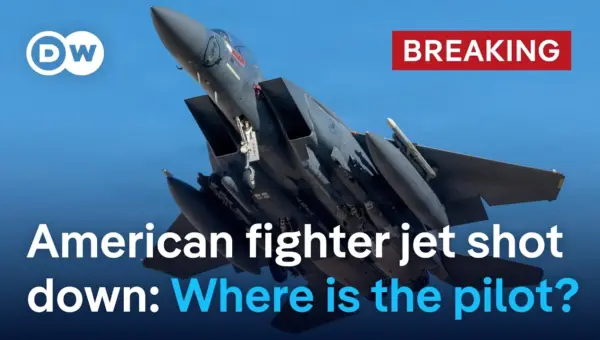
US Jet Downed in Iran: Crew Fate Unknown, War Unpopular
An American F-15 fighter jet has been shot down over Iran, with U.S. officials confirming the loss but offering few details on the crew's fate. The incident occurs amid widespread public opposition to the war and raises questions about Iran's air defense capabilities.

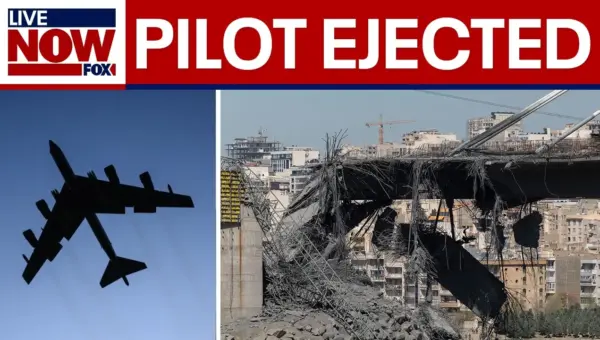
Iran Claims US Pilot Ejected; US Silent Amid Escalating Tensions
Iran claims a U.S. pilot ejected from a fighter jet over its territory, offering a reward for capture. The U.S. has not confirmed the report amid escalating regional tensions. Military experts discuss the strategic implications of U.S. strikes and the potential for internal change in Iran.

Trump Ousts AG Bondi, Eyes Zeldin as Successor
Pam Bondi is out as Attorney General after one year, with Deputy AG Todd Blanche serving as Acting AG. President Trump confirmed the departure, praising Bondi and hinting at a new private sector role. Lee Zeldin is reportedly being considered as Bondi's permanent replacement, amid ongoing speculation about other cabinet changes.