Russia Cracks Down, Bans Telegram App
Russia has officially banned the Telegram messaging app, marking a new phase of internet censorship. The Kremlin is also developing ways to block VPNs, aiming to control all online information and prevent public organization. This move is seen as an attempt to suppress dissent and manage narratives surrounding the war and economic issues.

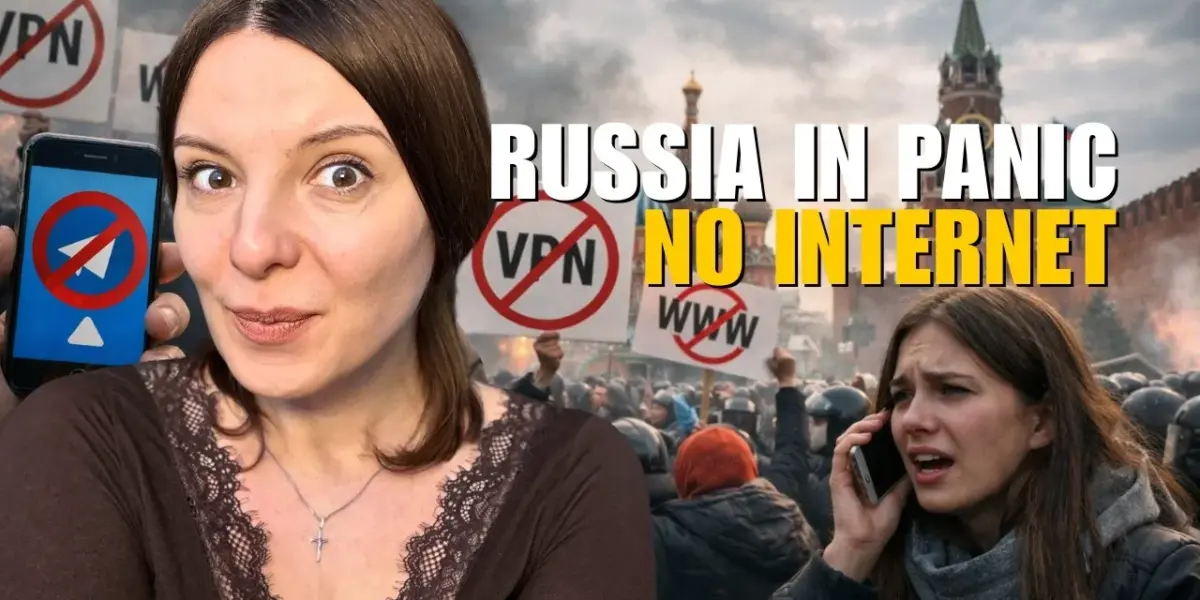
Russia Restricts Internet Access, Bans Popular Telegram App
Russia is implementing sweeping internet censorship measures, culminating in a nationwide ban of the popular messaging app Telegram. This move marks a significant escalation in the Kremlin’s efforts to control information flow within the country. The ban, which took effect on April 1st, comes after weeks of mobile internet disruptions and follows earlier restrictions on foreign social media platforms like Instagram and Facebook, which were labeled as extremist.
According to internal polls, over half of Russians view Telegram as a critical tool for communication and a threat to their freedom. The app served as a primary channel for sharing opinions, discussing current events, and even receiving vital information like air defense alerts in active war zones. The Kremlin’s decision to ban Telegram is seen as an attempt to quell growing public discontent over mounting economic and social problems, and to prevent any organized protests.
VPNs Targeted in Censorship Push
The Russian government is not stopping at just banning platforms. It is actively developing mechanisms to block access to Telegram and other websites, even for users employing Virtual Private Networks (VPNs). VPNs are services that help users bypass geographical restrictions by masking their online location, allowing access to content that might otherwise be blocked. Russia’s media regulator, Roskomnadzor, is reportedly creating tools to counter VPN usage, signaling a move towards a more comprehensive state-controlled internet environment, often compared to North Korea’s highly restricted digital landscape.
Why Telegram Matters to Russians
Telegram has been a vital communication tool for millions of Russians for years. It provided a platform for open discussion and information exchange, especially concerning sensitive topics like the war in Ukraine. Russian soldiers on the front lines reportedly relied heavily on Telegram for communication, sharing information, and even receiving supplies. The app also became a key tool for organizing public dissent, with recent attempts to coordinate nationwide protests against internet shutdowns and other government actions.
Motivations Behind the Ban
Several key factors are believed to be driving the Kremlin’s decision to ban Telegram:
- Dissemination of Frontline Information: Russian bloggers and soldiers have used Telegram to share increasingly pessimistic accounts from the battlefield. These reports often detail issues with supplies, leadership failures, and heavy losses, contradicting official narratives. The Kremlin likely fears this unvarnished reporting is undermining public support for the war.
- Organizing Protests: Telegram has been instrumental in helping Russians organize protests, not only against the recent internet bans but also potentially against broader government policies. The government aims to disrupt these organizational capabilities.
- Controlling Narratives: By restricting access to independent communication channels, the Kremlin seeks to enforce its own version of events regarding the economy, the war, and Russia’s geopolitical standing.
Escalating Restrictions and Public Reaction
The ban on Telegram is the latest step in a broader strategy to filter information. This strategy began with throttling mobile internet speeds, which was tested extensively, possibly in May 2025, before Victory Day celebrations, to prevent potential drone attacks. The government claimed these measures were for public safety, but internet shutdowns did not stop drone strikes on military targets. Now, even cable internet is facing potential restrictions, with Roskomnadzor considering white-listing only approved websites for wired connections.
The crackdown has sparked anger among Russian soldiers and military bloggers who depended on Telegram for communication, maps, and documents. Some have even speculated about internal Kremlin conspiracies, especially when the Telegram restrictions coincided with reports of Starlink service being denied to Russian forces. However, analysts suggest this is more likely driven by President Putin’s fear of public awareness regarding his perceived weaknesses and the nation’s financial struggles.
Strategic Implications
The comprehensive internet restrictions and the ban on Telegram signal Russia’s definitive entry into a full censorship stage. By limiting access to information and communication tools, the Kremlin intends to prevent citizens from organizing and expressing dissent. This strategy, however, may backfire. Historically, attempts to suppress information can sometimes galvanize populations, especially when restrictions directly impact daily life and personal communication. The government’s actions could push previously apolitical citizens to protest when their ability to connect online is threatened.
The situation highlights a growing disconnect between the Kremlin’s control objectives and the nature of the internet. Unlike a single newspaper that can be shut down, the internet is a complex network that is difficult to fully suppress. The long-term consequences of these restrictions on Russia’s economy, society, and the government’s legitimacy remain to be seen, but the current trajectory points towards increasing isolation and internal unrest.
“We see that during 2025 and now in 2026, the Kremlin developed its strategy to filter the information that people receive about the real state of the Russian economy, about the situation on the front lines, about constant geopolitical losses of Putin’s regime.”
Source: RUSSIANS PANIC: KREMLIN BANS TELEGRAM, INTERNET, VPNs Vlog 1366: War in Ukraine (YouTube)

Related Articles

Russia Claims Luhansk Control Amid Diplomatic Stalls
Russia rejected Ukraine's Easter ceasefire proposal, citing unclear terms and shifting blame to Kyiv. Meanwhile, Moscow's claims of full control over Luhansk are contradicted by Ukrainian forces and battlefield data. The conflict's economic impact is also growing, with Ukrainian drone strikes significantly reducing Russia's oil export capacity.

Trump’s Policies Fuel Global Instability, Empower Rivals
Critics argue Donald Trump's policies are weakening NATO, benefiting Russia, and escalating conflicts, particularly in the Middle East. These actions are reportedly causing global instability, impacting markets, and shifting geopolitical power dynamics.
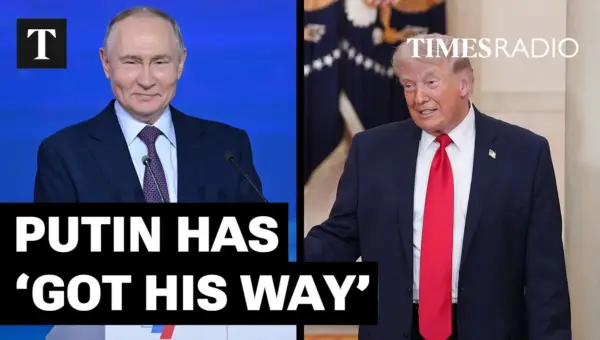
Russia Wins Big as Mideast Crisis Diverts US Focus from Ukraine
The ongoing crisis in the Middle East has inadvertently become a major win for Russia, boosting its economy through higher oil prices and creating strategic geopolitical advantages. As global attention shifts away from Ukraine, Moscow finds itself in a stronger position, both economically and internationally.