UK Economy Needs More Than EU Ties, Experts Say
Experts argue that the UK's economic problems stem from domestic policy, not just Brexit, and closer EU ties won't be a simple fix. While Labour calls for more cooperation, underlying issues like infrastructure and productivity need addressing.

UK Economy Needs More Than EU Ties, Experts Say
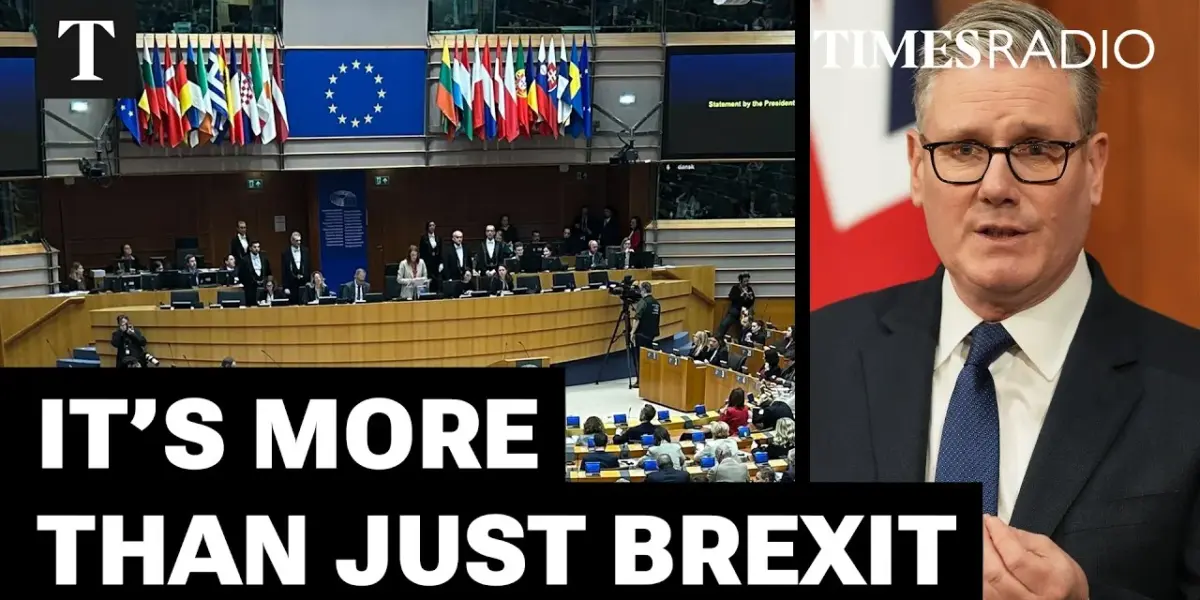
London, UK – In a recent discussion, political analysts and legal experts have argued that the United Kingdom’s economic struggles are deeply rooted in domestic policy issues, suggesting that closer ties with the European Union alone will not solve the country’s problems. The comments come as Labour leader Keir Starmer calls for enhanced cooperation with the EU, citing damage from Brexit and the global impact of the Iran war.
Starmer Calls for Closer EU Cooperation
Keir Starmer recently held a press conference where he stated the UK needs closer cooperation with the EU, describing the impact of Brexit as “deep damage.” He also emphasized the nation’s readiness to handle the effects of the Iran war. However, his approach, presented as a definitive need for closer ties rather than a negotiation strategy, has drawn scrutiny.
Experts note that such a definitive stance might weaken the UK’s negotiating position with the EU. The EU has already presented demands, including an uncapped youth mobility scheme and home fees for EU students, which could undermine the economic benefits of increased cooperation.
Economic Woes Predate Brexit
Henry Hill, a political analyst, pointed out that the narrative of Britain being economically sound before Brexit is misleading. He argued that the UK has been in an economic slump since 2008, with stagnant wage growth for years. Hill stressed that fundamental issues like a lack of infrastructure investment, a housing crisis, and low productivity are core problems.
“Joining the European Union doesn’t change any of those things because all of those things are rooted fundamentally in domestic policy,” Hill stated.
He suggested that Starmer’s focus on Europe might be a political strategy to address public dissatisfaction, blaming Brexit for current economic hardships like rising grocery prices. While acknowledging that closer alignment with the EU could potentially offer some growth, Hill questioned why such benefits did not materialize when the UK was an EU member.
Global Crises and Energy Concerns
Starmer also announced plans for the UK to convene 35 countries, excluding the US, to explore ways to reopen the Strait of Hormuz, a vital shipping lane. However, experts are skeptical about how closer EU ties would specifically address the energy crisis highlighted by the Iran conflict.
Professor Catherine Barnard of Cambridge University noted that while the world has changed since Brexit, and Europe might seem a more stable partner than the unpredictable US, the direct link between EU cooperation and resolving the Iran-related energy crisis is unclear. Europe itself faces energy challenges and is not a major energy producer.
Negotiating the Details
While the UK and EU have agreed in principle on various areas like sanitary and phytosanitary standards, energy, emissions trading, and youth mobility, the actual negotiation of these deals presents significant challenges. Professor Barnard mentioned that potential agreements might only offer a small boost to GDP, perhaps 0.5%, which is far less than the estimated economic hit from Brexit.
Estimates of Brexit’s impact on UK GDP vary, with some suggesting a 5% hit and others, like the Chancellor, proposing an 8% reduction. Barnard noted that even the lower estimate represents a substantial economic loss, underscoring the scale of the challenge.
The idea of a “Swiss-style” deal, which involves freedom of movement, has been floated for a future Labour manifesto. However, the EU reportedly views this model unfavorably due to the complexity of managing numerous bilateral agreements. Furthermore, Switzerland’s own renegotiation of its agreements with the EU faces a public referendum.
Domestic Policy Remains Key
The consensus among analysts is that while improving relations with the EU might offer marginal benefits, the UK’s deep-seated economic issues require fundamental domestic policy changes. These include significant investment in infrastructure, addressing the housing crisis, and boosting productivity.
The discussion highlighted that political messaging around the economy and Brexit can be a powerful tool, but tangible solutions must address the root causes of the UK’s economic performance. For now, the focus remains on how effectively the government can navigate these complex domestic and international challenges.
Source: Getting Closer To Europe Won’t Fix The UK Economy | Henry Hill (YouTube)

Related Articles

North Sea Drilling Debate: Jobs vs. Climate
A debate rages over new North Sea oil and gas fields, pitting economic benefits and jobs against urgent climate action. Labour MP Henry Tuffnel argues for domestic production citing jobs and security, while climate expert Tom Burke calls for a faster shift to renewables. Energy Secretary Ed Milliband faces mounting pressure to decide the fate of the Rosebank and Jack fields.

UK’s EU Relationship: Caught Between Ambition and Reality
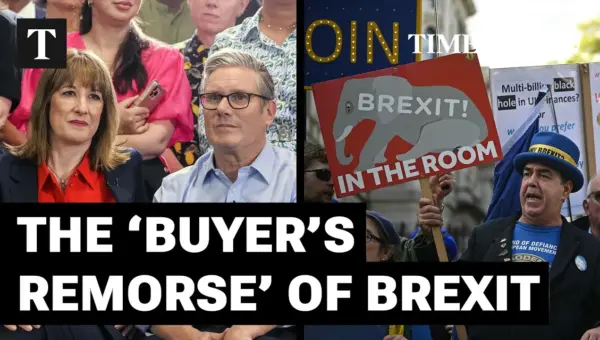
Professor Peter Frankopan criticizes the UK's inconsistent approach to re-engaging with the EU, labeling it "flip-flopping." He argues that Europe perceives this selectively engaging strategy negatively, while global instability overshadows domestic debates. The high economic costs of Brexit and the lack of clear political will in the UK further complicate any potential reintegration.


UK Faces Global Shifts: Defense, EU Ties, and Social Decay
UK leaders discuss pressing global and domestic issues, from reassessing defense ties with the U.S. and Europe to addressing rising school truancy and juvenile delinquency. The conversation also touches on the new era of private-led space exploration and the complexities of work-life balance.