Trump to Address Nation on Iran War Update
President Trump will address the nation tonight with an "important update" on the Iran conflict, his first prime-time speech since the war began over a month ago. The address comes amid reports of potential ceasefire negotiations between the U.S. and Iran, a development that could shape the conflict's future trajectory. The president is expected to frame the war effort positively, despite domestic concerns over rising gas prices and the war's overall popularity.

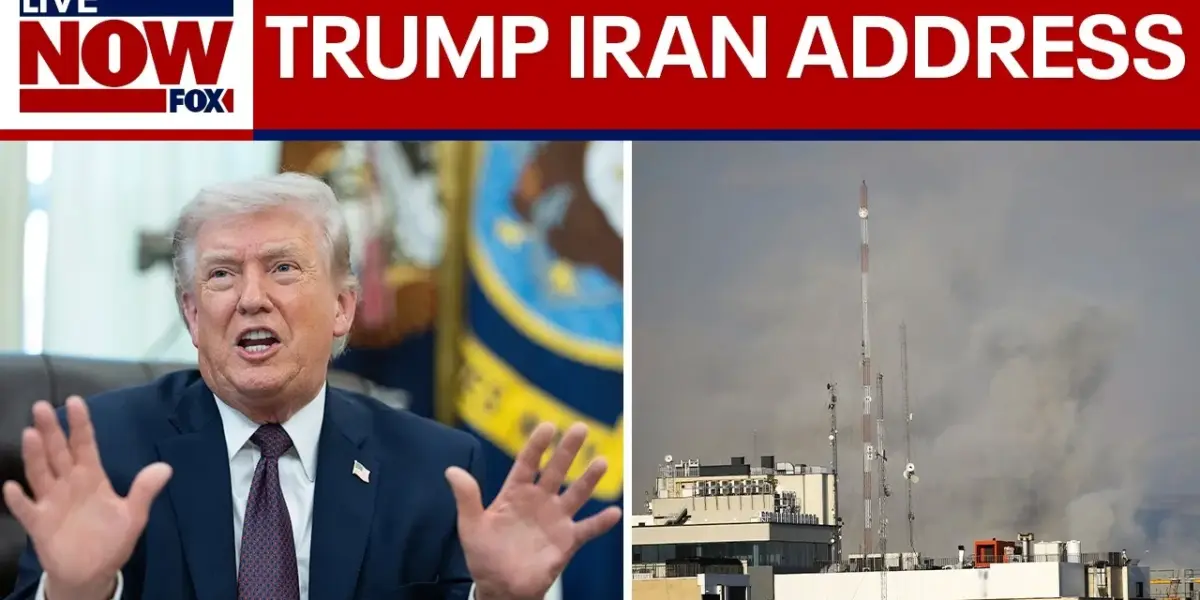
Trump Addresses Nation on Iran Conflict Amidst Shifting Diplomacy
President Donald Trump is set to address the nation tonight at 9:00 p.m. Eastern Time with an “important update” on the ongoing conflict in Iran. This marks the president’s first prime-time address since U.S. and Israeli forces launched an assault on Iran more than a month ago. The speech comes as behind-the-scenes negotiations between the U.S. and Iran may be influencing the conflict’s trajectory.
White House Plans Optimistic War Update
Sources indicate the White House plans for President Trump to present the war effort as progressing successfully. The administration aims to convey that the stated two-to-three-week timeline for completing the operation remains on track. This message is intended to reassure the American public, particularly as recent polls suggest the war is not widely popular. Higher gas prices and a slight dip in the president’s approval ratings have added to domestic concerns.
Behind-the-Scenes Diplomacy Explores Ceasefire Deal
Reports suggest that the U.S. and Iran are engaged in discussions, facilitated by intermediaries like Pakistan, regarding a potential ceasefire. The framework reportedly involves the U.S. halting its bombing campaign in exchange for Iran reopening the Strait of Hormuz. This vital waterway has been a central point of contention, significantly impacting global oil access and prices.
“The Iranians want a ceasefire. The Iranians came out and denied that. And then what our sources tell us is that through the mediators… the U.S. side has said it’s open to this framework this idea that we will stop bombing Iran if Iran opens the strait of Hormuz.”
While the U.S. appears open to this proposal, the extent of Iran’s willingness to accept such terms remains unclear. Vice President Vance has reportedly been involved in conveying the U.S. position. President Trump himself tweeted today that Iran had requested a ceasefire, a claim that Iran subsequently denied, adding a layer of complexity to the unfolding situation.
Allies and Domestic Politics Influence Decisions
Regional allies, including Saudi Arabia and the United Arab Emirates, have expressed skepticism about a swift withdrawal. Crown Prince Mohammed bin Salman of Saudi Arabia, according to reports, favors a more aggressive approach until the Iranian regime is significantly weakened. Similarly, the UAE is concerned about Iran emerging from the conflict more hostile and maintaining control over the Strait of Hormuz.
Israeli Prime Minister Benjamin Netanyahu’s buy-in would also be crucial for any peace deal, given Israel’s direct involvement in the conflict. On the domestic front, there is limited appetite in the U.S. for a prolonged war involving ground troops, with even some Republican allies expressing concerns about escalation.
Congressional Concerns and War Costs
Democrats in Congress have raised strong objections to the war, questioning its legality and effectiveness. Senator Jeff Merkley stated, “Tonight, President Trump plans to speak to the nation about the war in Iran. He has a lot to explain. Why did he launch an illegal war of choice that has strengthened the hardline government of Iran, undermined the reformers, shut down the straight of Hormuz, raised energy prices, enriched Russia, and cost American lives and treasure?”
Many in Congress are listening for signals about the war’s duration and the definition of victory. There is also anticipation regarding potential requests for a $200 billion supplemental funding package to cover war expenses and replenish U.S. weapons stockpiles. Democrats see the war’s unpopularity and cost as a potent campaign issue for upcoming elections.
Regional Landscape Reshaped by Conflict
The conflict has already brought significant changes to the Middle East. Iran’s demonstrated ability to disrupt shipping through the Strait of Hormuz sets a new precedent. The recent death of Supreme Leader Ayatollah Khamenei and the rise of his son as a successor also signal a potential shift in Iranian leadership dynamics.
Furthermore, the ongoing clashes between Hezbollah and Israel have escalated, with Israel occupying and attacking parts of Lebanon. Attacks on Gulf States have also undermined perceptions of regional stability, impacting investment and business operations. The long-term relationships between these nations and Iran, as well as with the United States, remain uncertain and will likely depend on the war’s ultimate outcome.
Looking Ahead: What to Watch Next
As President Trump prepares to address the nation, the focus will be on whether his speech signals a move towards de-escalation and a diplomatic resolution, or if it indicates a continued commitment to military action. The international community and regional powers will be closely watching for any definitive statements on the future of the Iran conflict and its far-reaching implications.
Source: Trump to address the nation with “important update on Iran (YouTube)

Related Articles
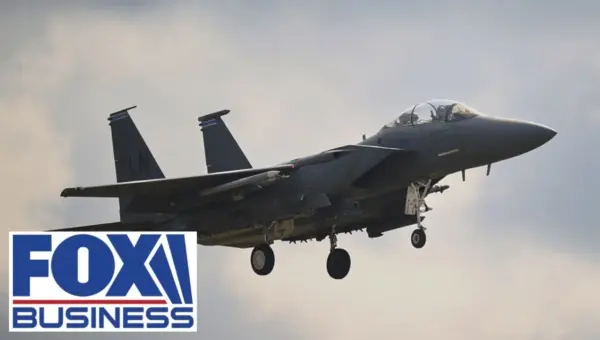
Iran Downs US F-15; One Pilot Rescued, Second Missing
A U.S. F-15 fighter jet has been shot down over Iran, with one pilot rescued and a search underway for the second. Iran is leveraging the incident for propaganda purposes, while the U.S. prioritizes the rescue mission.


Kremlin Media Warns of Ukraine’s Long-Range Strikes
Russian state television is amplifying warnings about Ukraine's potential to strike deep into Russian territory with newly supplied long-range weapons. Prominent figures voice concerns over targeting key Russian sites, while historical narratives are selectively used to criticize European nations, particularly Germany. The media aims to foster domestic unity by framing dissent as treason and emphasizing perceived external threats from NATO.
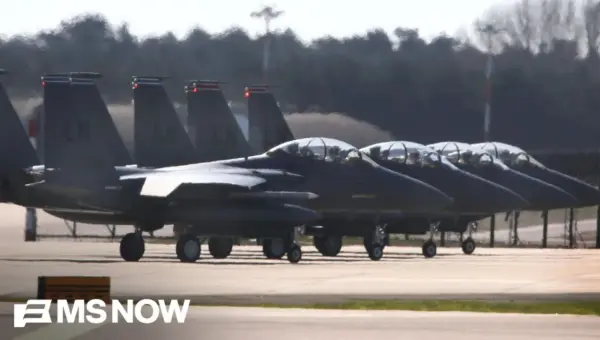
US Scours Iran for Downed F-15 Crew
A U.S. F-15 fighter jet has crashed in Iran, triggering an intense search and rescue mission. The crew, trained in survival techniques, is being sought by specialized teams. The incident raises concerns about the crew's safety and potential political leverage for Iran if captured.