Trump’s Iran Stance: Experts Warn of “Clear Victory for Iran”
Foreign policy analysts express deep concern over President Trump's unpredictable approach to Iran, warning that a premature withdrawal could hand a significant victory to Tehran. Experts highlight the critical importance of keeping the Strait of Hormuz open and question the President's strategy in dealing with allies and adversaries.

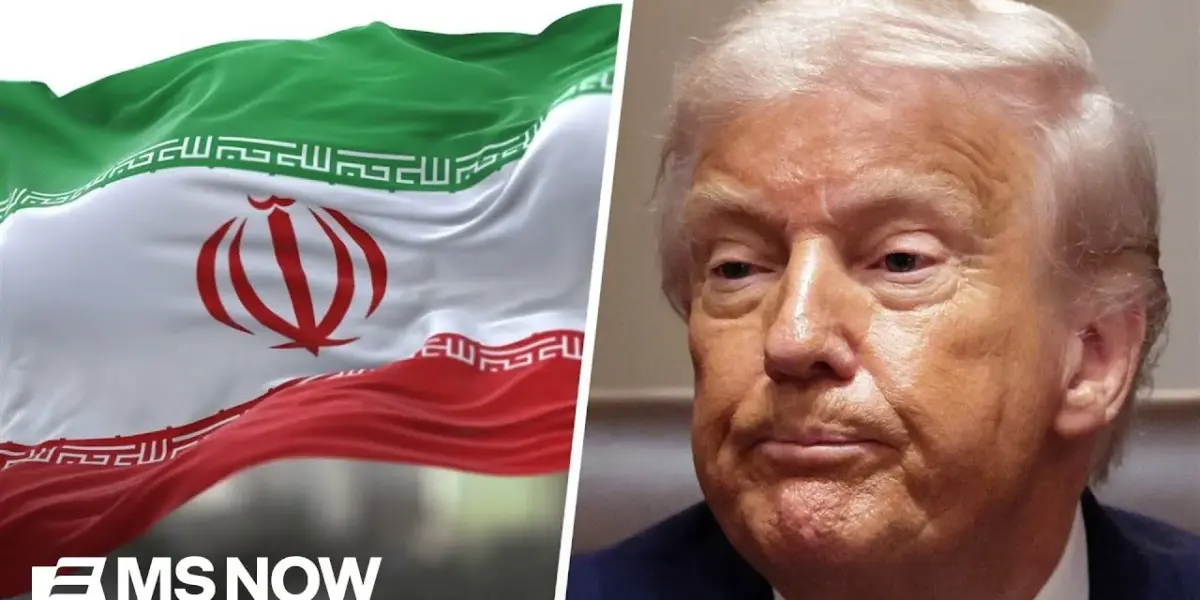
Trump’s Iran Policy Faces Scrutiny Amidst Shifting Stance
In a recent analysis of President Donald Trump’s foreign policy, particularly concerning Iran, political analysts and foreign policy experts have voiced significant concerns. The core issue revolves around the unpredictable nature of the President’s decisions and the potential consequences for international stability and U.S. standing. Experts suggest that any premature withdrawal from the current conflict with Iran, without achieving key objectives, could be interpreted as a major win for Tehran.
Unpredictable Diplomacy: A “12-Dimensional Chess” or Strategic Mess?
Ashley Parker, a staff writer for The Atlantic, highlighted the difficulty in predicting President Trump’s actions, especially regarding Iran. “We have literally heard him say everything,” Parker noted, pointing out instances where Trump has offered contradictory statements on the war’s status and U.S. objectives.
Parker described the administration’s attempts to frame Trump’s approach as “12-dimensional chess.” However, she concluded that the reality is a high degree of unpredictability, which, while sometimes inadvertently strategic, does not stem from a well-defined plan. The idea of withdrawing from a region if public sentiment opposes it is a valid consideration, but the current situation is described as a “mess.”
A key concern is the potential outcome if the U.S. withdraws while the Strait of Hormuz remains closed and Iran retains its missile capabilities. The question remains whether leaving the situation unresolved is better than continuing efforts to de-escalate or achieve specific goals.
Oval Office Addresses Under Scrutiny
Max Boot, a columnist for The Washington Post and Senior Fellow for National Security Studies at the Council on Foreign Relations, emphasized the importance of presidential addresses. “It is a good thing to address the nation,” Boot stated, though he lamented that such addresses from Trump often lack the weight and finality of those from previous presidents.
Unlike other administrations where presidential statements were seen as definitive, Trump’s remarks can be followed by contradictory statements, making it difficult to ascertain his true intentions or the accuracy of his words. This adds another layer of uncertainty to an already complex geopolitical situation.
The Strait of Hormuz: A Critical Waterway
A central point of contention is the Strait of Hormuz, a vital chokepoint for global oil transport. Boot argued that if the U.S. ends its engagement with Iran while the Strait remains closed and Iran maintains control, it would represent a “massive U.S. defeat.” Such an outcome would significantly undermine the principle of freedom of navigation and the international order the U.S. has supported since 1945.
Boot stressed that the U.S. must ensure the Strait of Hormuz is open, especially considering it carries 20 percent of the world’s oil. He added that the U.S. has not recovered enriched uranium from Iran, nor has it achieved regime change, despite Trump’s attempts to frame recent leadership changes in Iran as such. The Islamic Republic, led by hardliners, remains in power.
Allies and Adversaries: A Shifting Dynamic
The analysis also touched upon Trump’s strained relationships with traditional allies, particularly in Europe, and his approach towards Gulf nations. While Trump has been critical of NATO allies for not doing enough to help open the Strait of Hormuz, experts question why he isn’t applying similar pressure on Gulf allies like the UAE, Qatar, and Saudi Arabia, who stand to benefit or be harmed by the situation.
Parker suggested that Trump’s harshness towards NATO allies is almost “muscle memory,” stemming from his long-held belief that America is being taken advantage of. She noted that some Middle Eastern countries have been more willing to engage in transactional relationships with him.
Boot found this selective approach baffling. He pointed out that Trump also fails to call out Russia for reportedly providing drones and intelligence to Iran, which aids in attacks against Americans. This is in stark contrast to his strong criticism of U.S. allies.
Economic Ties and Foreign Policy
A significant portion of the discussion explored whether Trump’s foreign policy decisions are influenced by potential economic benefits or personal financial interests. The possibility that Trump is more amenable to Russia, Saudi Arabia, Qatar, and the UAE because he believes he can secure financial gains or business deals was raised.
Parker acknowledged that while business deals and opportunities for the Trump Organization in these regions are a factor, she believes the situation is not purely mercenary. She suggested that Western democracies, unlike some Gulf states, have been more willing to engage in frank, difficult conversations with the President about U.S. involvement and policy disagreements. These allies have been clearer about their willingness to help or not help, and their objections to unilateral actions, such as the initiation of conflict with Iran without their consensus.
Looking Ahead: The Path Forward
The experts’ consensus points to a critical juncture in U.S. foreign policy. The coming weeks and months will be crucial in determining whether President Trump can navigate the complex situation with Iran effectively. The focus will remain on whether objectives like reopening the Strait of Hormuz can be achieved and what the long-term implications will be for regional stability, international trade, and America’s role on the global stage. The effectiveness of his approach, whether strategic or reactive, will be closely watched by allies and adversaries alike.
Source: 'If Trump ends the war now, it will be a clear victory for Iran': Foreign policy analyst (YouTube)

Related Articles
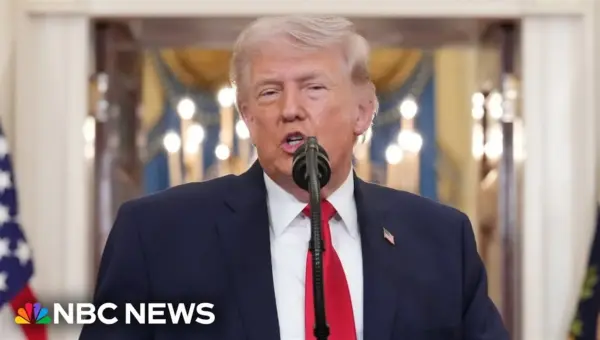
Iran Downs US Jet; Trump Vows No Impact on Talks
An American F-15 fighter jet was shot down in Iranian airspace, leading to a search for a missing pilot. Despite the escalation, President Trump stated the incident won't affect Iran negotiations, while military experts question U.S. air dominance claims.

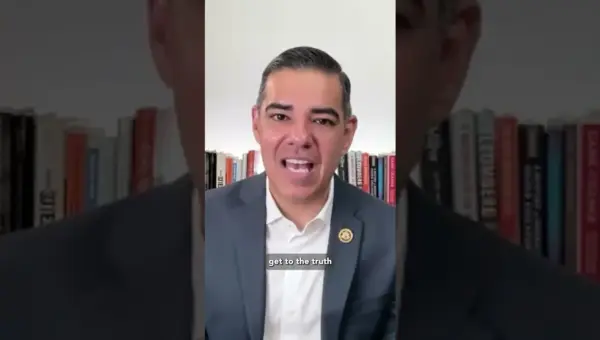
Bondi’s Testimony: Jail Time or Truth?
Pam Bondi faces a critical decision regarding her testimony about Donald Trump. She could face contempt charges if she lies or obstructs, but telling the truth could help investigators and survivors find justice.

Iran War: Killing Leaders Won’t Topple Regime, Experts Warn
Experts warn that eliminating Iran's leaders may not be enough to topple the regime, suggesting a more complex strategy is needed. The ongoing conflict raises concerns about a prolonged, cyclical war rather than a decisive victory, especially with upcoming elections influencing political timelines.