Trump Cabinet’s Finances Raise ‘Spoils System’ Ethics Concerns
A new report reveals that many of President Trump's Cabinet members have made substantial financial contributions to his campaigns, raising concerns about potential conflicts of interest. Investigations highlight instances where officials may be regulating industries that previously enriched them, drawing comparisons to the historical 'spoils system'.

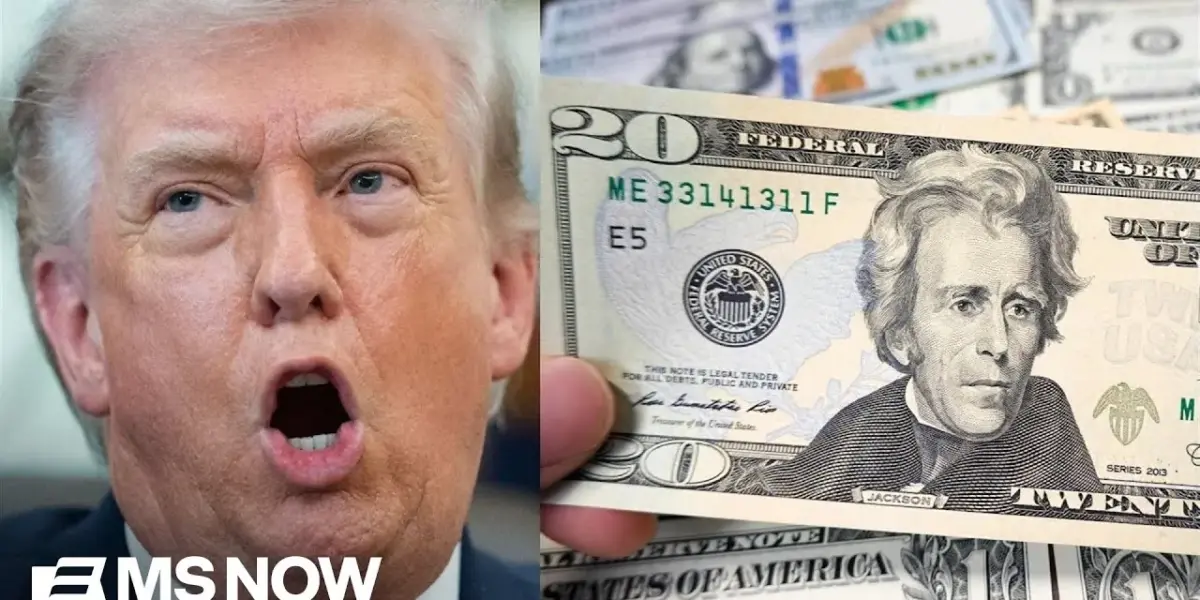
Cabinet Members’ Financial Ties Spark Ethics Questions
A new report reveals that a significant number of President Trump’s Cabinet members have made substantial financial contributions to his campaigns and related organizations. This has led to concerns about potential conflicts of interest and whether appointments are based on merit or political loyalty.
Millions Donated to Trump’s Campaigns
Citizens for Responsibility and Ethics in Washington (CREW) found that 20 out of 23 of President Trump’s Cabinet members have collectively given tens of millions of dollars to his campaign, Super PACs, and inauguration fund. For example, Education Secretary Betsy DeVos reportedly poured at least $20 million into a Trump-aligned Super PAC during the 2024 campaign. Commerce Secretary Wilbur Ross also contributed more than $10 million, and Small Business Administrator Linda McMahon and her husband gave over $3 million.
According to the report, every Cabinet member, with only three exceptions, has made some form of political contribution to the President’s efforts. This pattern raises questions beyond just the financial donations, prompting a look at the qualifications and potential conflicts of interest among those appointed to lead key government departments.
Conflicts of Interest Plague Administration
The current administration boasts 11 billionaires, including a former wrestling executive, an NBA team owner, the co-founder of Airbnb, and giants in private equity and real estate. These individuals are now in positions to shape U.S. policy, and in some cases, regulate the very industries that generated their wealth.
ProPublica’s review of thousands of financial disclosures highlights several specific examples of these potential conflicts. The Deputy Secretary of Defense, who founded the private equity firm Cerberus, which owns defense companies receiving Pentagon contracts, is overseeing construction projects tied to those contracts. While he stated he has divested, ProPublica found he still relies on Cerberus for tax accounting and health care services, with no clear end date for this arrangement.
Another case involves Deputy Attorney General Todd Blanche, who owned hundreds of thousands of dollars in cryptocurrency assets last year. This was the same period he moved to halt Justice Department investigations into crypto firms. At the Environmental Protection Agency (EPA), two senior scientists, Nancy Beck and Lynn DeKleva, downgraded the health risks associated with the toxic chemical formaldehyde. ProPublica discovered that both scientists had previously worked for the chemical industry’s leading trade group.
Echoes of the ‘Spoils System’
Political analyst Larry Sabato commented to The Daily Beast, stating, “There’s just never been a presidency like this. He’s made Nixon look great.” While the scale of wealth in this administration is notable, the practice of appointing loyalists is not entirely new. The report draws parallels to the ‘spoils system’ that flourished under President Andrew Jackson.
During Jackson’s era, government positions were often filled with political supporters, some of whom were expected to donate a portion of their salaries back to political campaigns. This system was criticized because it often meant that unqualified and incompetent individuals were placed in positions of power, sometimes leading to corruption. The United States began to move away from this system in the early 1880s, partly in response to the assassination of President James Garfield by a man who felt entitled to a government job after campaigning for the winner.
Modern-Day Concerns and Future Outlook
The report suggests that elements of this old system may be re-emerging today. Concerns are amplified by instances of curiously timed stock trades or bets on prediction markets that appear to coincide with major policy announcements or presidential actions. The CREW report and ProPublica’s investigations highlight a pattern where personal financial interests and public service may be intertwined, raising significant ethical questions for the current administration.
Moving forward, continued scrutiny of financial disclosures and the decision-making processes within government departments will be crucial. Public trust hinges on the assurance that policy is being made in the best interest of the nation, not for personal or political gain. The ongoing investigations and reports will likely shape the public’s perception of ethics in government and could influence future regulations aimed at preventing conflicts of interest.
Source: Modern-day 'spoils system'? Trump Cabinet members' financial records raise ethics concerns (YouTube)

Related Articles
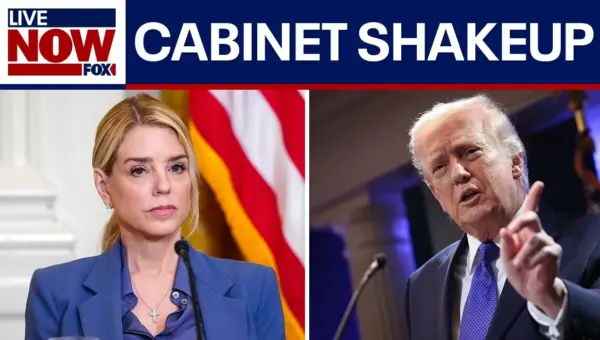
Trump Replaces Pam Bondi, Taps Todd Blanch as Acting AG
Pam Bondi has stepped down as Attorney General, with Todd Blanch named as the acting replacement. The departure is linked to the Epstein case and political pressures. Bondi is still expected to testify before a House committee.
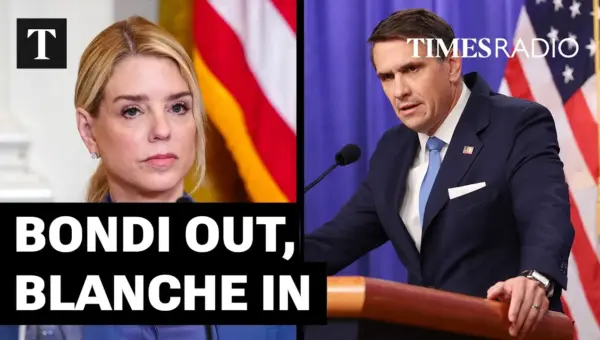
Trump Replaces Attorney General Bondi Amid Epstein Files Controversy
President Trump has replaced Attorney General Pam Bondi, with her personal lawyer Todd Blanche stepping in. The move comes amid public concerns over the handling of the Jeffrey Epstein files and Bondi's own adversarial public testimony. This follows other recent departures, including Homeland Security Secretary Christy Gnome and Army Chief of Staff General Randy George.

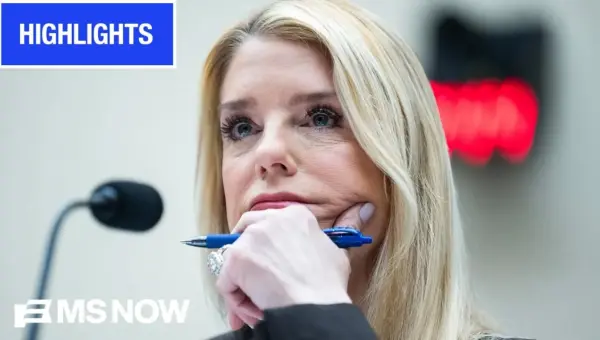
AG Pam Bondi Under Fire for DOJ’s Political Leanings
The Department of Justice is under fire as reports and experts suggest Attorney General Pam Bondi's tenure has seen a shift towards political alignment, undermining promised impartiality. Concerns are mounting over alleged deference to the White House, potential political prosecutions, and a decline in internal morale.