Iran Appeals Directly to Americans, Challenges U.S. Narrative
Iran's president sent a direct letter to Americans, challenging the U.S. narrative on regional instability and historical grievances. The appeal bypasses official channels, urging citizens to question U.S. motives and consider Iran's perspective amidst escalating tensions.

Iran Appeals Directly to Americans, Challenges U.S. Narrative
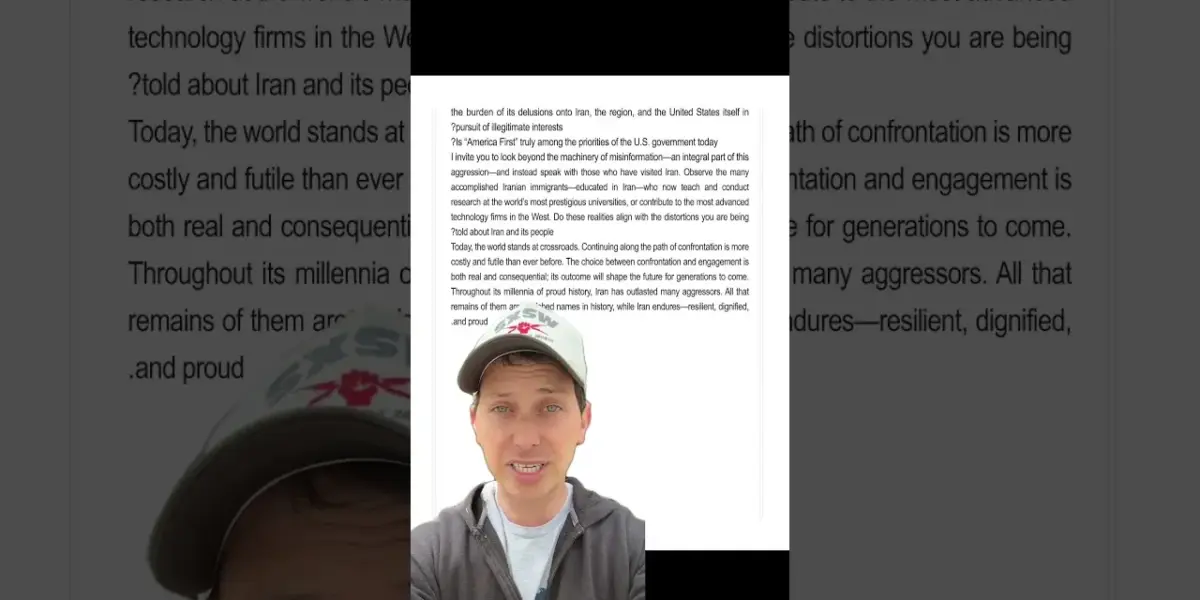
Iran’s president recently sent a long open letter directly to the American people. This happened just before President Trump was scheduled to speak. The letter is a clear effort to influence how Americans view the current conflict. It’s a direct message to the public, bypassing official channels.
Iran’s Claims of Innocence and U.S. Destabilization
In the letter, Iran’s president stated that his country has never started a war in recent history. He argued that Iran is being unfairly shown as a threat. This, he claims, is for political and economic gain. The letter pointed a finger directly at the United States. It argued that the large U.S. military presence near Iran is what truly makes the region unstable, not Iran itself. This challenges the common perception often presented by U.S. officials.
Historical Grievances Fueling Distrust
The letter looked back at history to explain the deep distrust between the two nations. It mentioned the 1953 U.S.-backed coup in Iran. It also brought up past U.S. support for the Shah and for Saddam Hussein. These historical events, the letter suggests, are the real reasons for the ongoing tension. By recalling these moments, Iran attempts to frame the current situation within a broader historical context.
Challenging U.S. Motives and Actions
Iran’s president used President Trump’s own words to question the U.S. involvement. The letter asked what American interests are actually being served by the conflict. It questioned if there was ever a real threat from Iran to justify U.S. actions. The letter also pointed to the harm caused by U.S. actions. It specifically mentioned the killing of innocent children and the destruction of medical facilities. Boasting about bombing a country ‘back to the stone ages’ was also criticized. These actions, the letter argued, only damage America’s standing in the world.
Diplomacy Rejected, Tensions Escalated
The letter highlighted Iran’s efforts towards diplomacy. It stated that Iran had pursued agreements and reached understandings. However, it claimed that the United States withdrew from these deals. Iran also accused the U.S. of increasing tensions. This included launching attacks even while negotiations were happening. This paints a picture of the U.S. as the party that broke faith with diplomatic efforts.
A Stark Warning About Infrastructure Attacks
One of the most serious warnings in the letter concerned Iran’s vital infrastructure. This includes energy and industrial facilities. The letter stated that attacking these targets directly harms the Iranian people. It warned that such actions would have consequences reaching far beyond Iran’s borders. These broader consequences, it suggested, would include greater global instability and higher economic costs. It also predicted long-term resentment.
Accusations of Proxy Warfare and Questioning U.S. Priorities
The letter also accused the U.S. of acting as a proxy for Israel. It suggested that Israel is pushing America into war to benefit its own interests. This raises a serious question about who is truly directing U.S. foreign policy. The letter then directly asked Americans whose interests this war is really serving. It questioned if ‘America First’ is genuinely a priority for the U.S. government today.
Highlighting Iranian Achievements Against Distorted Narratives
To counter negative portrayations, the letter pointed to the accomplishments of Iranian immigrants. It mentioned many educated Iranians who now teach at top universities or work in advanced technology firms in the West. The letter asked if these successful individuals align with the distorted images of Iran being presented. It urged Americans to look beyond what it called the ‘machinery of misinformation’. The letter concluded by stating that the world is at a critical juncture.
Propaganda and the Search for Truth
This direct appeal from Iran’s president is a significant move. It’s an attempt to make Iran’s case directly to the American public. However, it’s important to view this letter within the context of international relations. Both sides in a conflict often engage in propaganda. The letter is undoubtedly part of Iran’s information strategy. Similarly, President Trump’s statements are also his form of messaging. It’s undeniable that Iran has a record of human rights abuses against its own people and supports proxy groups that have caused harm. This cannot be ignored.
Why This Matters
The situation highlights a concerning disconnect. Sometimes, the messaging from one side in a conflict might align more closely with independent reporting than the messaging from the other. In this instance, the Iranian letter’s points about historical context and the impact of U.S. military presence sometimes resonate more with facts found in independent news reports than with claims made by President Trump. This doesn’t excuse Iran’s actions, but it does show how complex and contested the narrative surrounding international conflicts can be. It forces us to question the information we receive from all sources.
Implications and Future Outlook
This direct communication strategy by Iran suggests a growing awareness of the importance of public opinion in foreign policy. As information spreads faster than ever, nations are looking for new ways to shape global narratives. The future may see more instances of direct appeals to foreign populations. This could bypass traditional diplomatic channels and create new challenges for governments trying to control information. The long-term impact of such strategies remains to be seen, but it signals a shift in how international relations are conducted.
Historical Context
Understanding the U.S.-Iran relationship requires looking back. Since the 1953 coup, which overthrew a democratically elected leader and installed the Shah, relations have been fraught with tension. The 1979 Islamic Revolution further deepened this divide. For decades, mistrust has been a defining feature. This historical backdrop is crucial for understanding Iran’s current arguments about U.S. interference and its claims of being unfairly targeted.
The letter from Iran’s president is a reminder that conflicts are often viewed differently by those involved. It’s a complex situation with deep historical roots. Examining all available information and considering various perspectives is essential for forming a complete understanding.
Source: BREAKING: IRAN Prez RELEASES LETTER to American People ahead of Trump Address (YouTube)

Related Articles
US Jet Downed in Iran: Crew Fate Unknown, War Unpopular
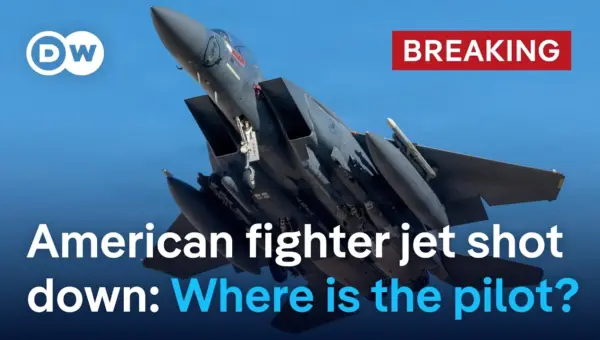
An American F-15 fighter jet has been shot down over Iran, with U.S. officials confirming the loss but offering few details on the crew's fate. The incident occurs amid widespread public opposition to the war and raises questions about Iran's air defense capabilities.
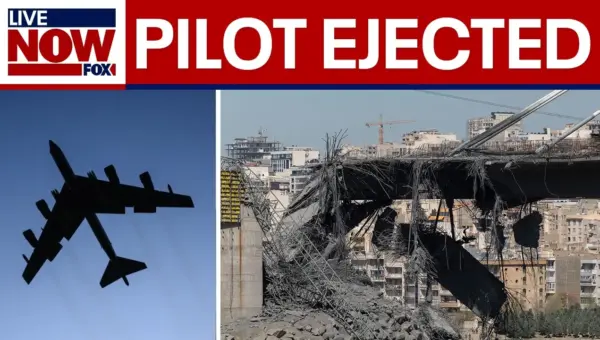
Iran Claims US Pilot Ejected; US Silent Amid Escalating Tensions
Iran claims a U.S. pilot ejected from a fighter jet over its territory, offering a reward for capture. The U.S. has not confirmed the report amid escalating regional tensions. Military experts discuss the strategic implications of U.S. strikes and the potential for internal change in Iran.

Trump Weighs War Exit Amid Iran Strikes and Internal Debate
President Trump is reportedly facing internal debate over how to end the escalating conflict with Iran, according to a new Time Magazine report. While publicly vowing to increase strikes, privately Trump seeks an "off-ramp" to declare victory and avoid domestic backlash, even as advisors express surprise at Iran's retaliatory attacks.