Trump’s Court Visit Fuels Citizenship and Voting Battles
Donald Trump's recent actions, including his appearance at the Supreme Court and an executive order on mail-in voting, are sparking heated debates. The analysis also touches on broader concerns about political agendas, military co-option, and alleged Russian influence.

Trump’s Court Visit Fuels Citizenship and Voting Battles
Former federal prosecutor Ron Filipkowski and British journalist Anthony Davis recently discussed Donald Trump’s appearance at the Supreme Court. Their focus was on Trump’s efforts to influence the court regarding birthright citizenship. They also examined his executive order on mail-in voting, which he claimed should not be challenged despite its potential unconstitutionality.
Birthright Citizenship Under Fire
Trump’s presence at the Supreme Court signaled a direct attempt to pressure judges. The discussion centered on his desire to end birthright citizenship, a right guaranteed by the 14th Amendment. This amendment has been a cornerstone of American citizenship for over a century. Historically, birthright citizenship has been understood to apply to anyone born within U.S. territory. Trump’s challenge represents a significant departure from this long-standing interpretation, raising questions about the future of immigration policy and the definition of citizenship.
Concerns Over Mail-In Voting Executive Order
Adding to the legal and political tensions, Trump also issued an executive order targeting mail-in voting. He argued that this method of voting should not face legal challenges, even if it appears unconstitutional. This stance creates a conflict between executive authority and constitutional principles. Critics worry this could undermine democratic processes and voter access. The order suggests a desire to control election procedures without regard for established legal norms.
Broader Political Agendas
Beyond these specific legal battles, the analysis touched on wider political strategies. The hosts noted a military flypast for musician Kid Rock, suggesting a connection to a broader effort. They argued that Trump and others, like Richard Grenell and Pete Hegseth, are trying to co-opt the military. This involves aligning it with a far-right Christian nationalist political agenda. Such an approach aims to infuse military symbolism and perceived authority into a specific political ideology.
Eric Trump’s Presidential Library Plans
The conversation also briefly mentioned Eric Trump’s plans for a Presidential Library. While details were scarce, it was framed within the larger context of the Trump family’s political legacy. This includes how such institutions might be used to shape historical narratives and continue political influence.
Russia and Geopolitical Connections
A significant thread in the discussion involved alleged ties to Russia. The hosts suggested that various actions, from withdrawing from NATO to issues concerning oil tankers, Cuba, and the Iran conflict, all point back to Russia. This implies a coordinated strategy where foreign policy decisions are influenced by or aligned with Russian interests. Such claims, if substantiated, would have major implications for U.S. foreign policy and national security.
Why This Matters
The events discussed highlight critical junctures in American law and politics. Trump’s actions at the Supreme Court and his executive order on voting demonstrate a willingness to challenge established legal and constitutional norms. The alleged co-opting of military symbolism for political gain raises concerns about the politicization of national institutions. Furthermore, the persistent questions about Russian influence, if proven, could reshape global alliances and U.S. foreign policy. These issues are not just abstract legal debates; they directly impact the rights of citizens, the integrity of elections, and America’s standing in the world.
Implications and Future Outlook
The implications of these discussions are far-reaching. If birthright citizenship is successfully challenged, it could alter the lives of millions born in the U.S. to non-citizen parents. The debate over mail-in voting could lead to significant changes in how elections are conducted, potentially affecting voter turnout and access. The alleged attempts to politicize the military could erode public trust in a non-partisan institution. The connection to Russia, if confirmed, would signal a dangerous shift in geopolitical strategy. Moving forward, these issues will likely remain central to political discourse and legal challenges. Future court decisions and legislative actions will shape the answers to these complex questions.
Historical Context
The 14th Amendment, ratified after the Civil War, was intended to grant citizenship to formerly enslaved people. Its interpretation regarding birthright citizenship has been largely settled for decades. Challenges to this interpretation are not new, but Trump’s direct engagement with the Supreme Court on this matter is notable. Similarly, debates over voting methods, particularly mail-in voting, have intensified in recent years. The current discussions build upon a long history of political disputes over election integrity and access. The alleged Russian influence also echoes historical concerns about foreign interference in domestic politics.
Source: LIVE: MAGA gets UNCOVERED in BRUTAL DAY at Supreme Court (YouTube)

Related Articles
Judges Block Trump’s Orders, Undermining His Authority
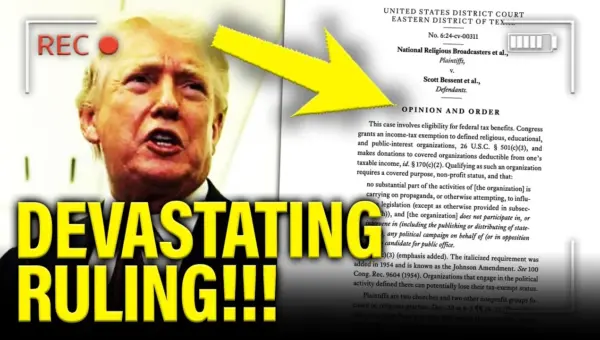
Federal judges have blocked several key Trump administration initiatives, including efforts to defund public media and end birthright citizenship. These rulings, some from Trump appointees, highlight the judiciary's role as a check on executive power and question the administration's legal strategies.

Trump’s Supreme Court Gamble Backfires Spectacularly
Donald Trump's strategy to influence the Supreme Court on birthright citizenship backfired. His personal appearance and subsequent social media comments met with skepticism from justices and legal experts alike. The incident highlights the importance of constitutional precedent and judicial independence.
Iran Conflict Escalates: US Strikes Intensify, Allies Divided
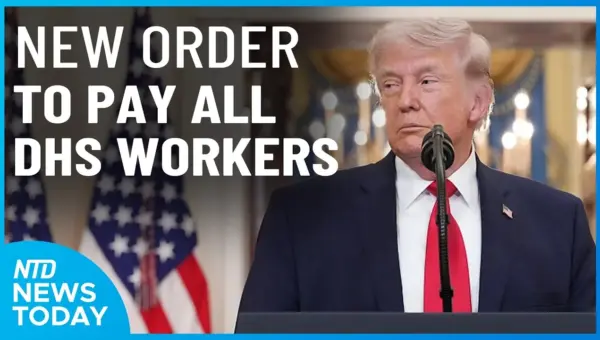
President Trump announced intensified US military strikes against Iran, aiming to achieve objectives within weeks while urging allies to secure the Strait of Hormuz. Domestically, plans are underway to pay DHS employees and bypass Democrats on immigration funding, while legal challenges loom over birthright citizenship.