Trump’s Iran Stance Fuels Global Instability, NATO Erosion
Expert Ian Bremmer details the confusing U.S. strategy on Iran, leading to a functionally closed Strait of Hormuz and rising prices. He also explains the nuanced positions of Middle Eastern nations and warns that President Trump is daily eroding trust within NATO.

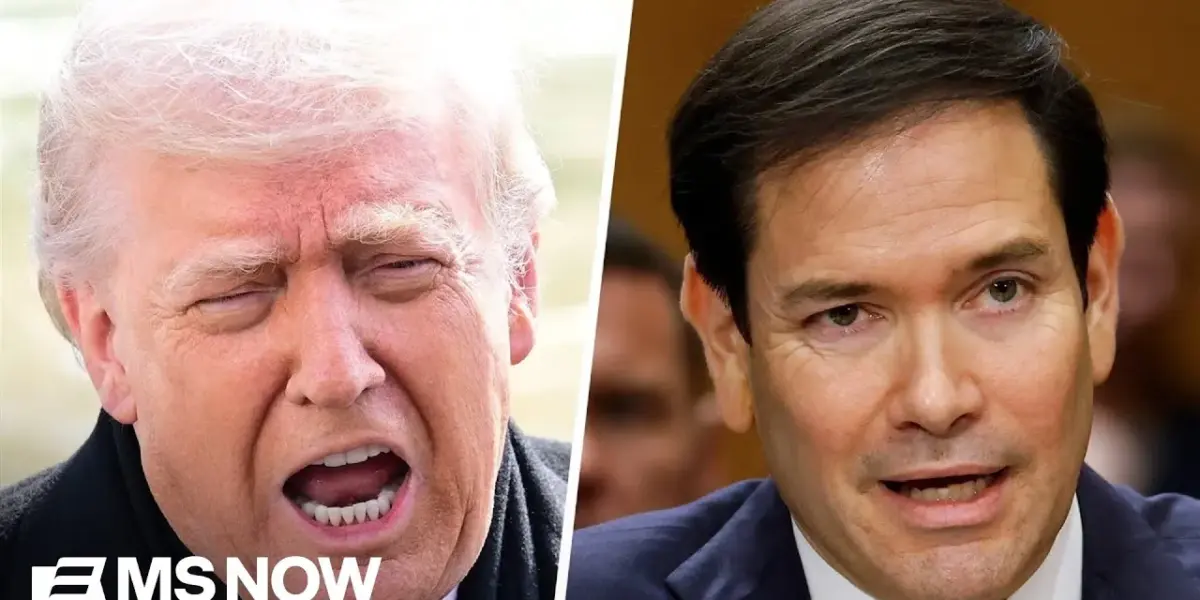
Middle East Tensions Simmer Amidst Unclear US Strategy
In a stark assessment of the current geopolitical climate, expert Ian Bremmer highlighted the confusing and potentially damaging approach of the United States regarding Iran. Bremmer, founder of Eurasia Group, noted that while President Trump’s public statements on Iran might seem incoherent, the real-world consequences are becoming increasingly clear. The Strait of Hormuz, a vital shipping lane, remains functionally closed, with traffic reduced to a mere 5% of its usual capacity. Meanwhile, the U.S. is deploying over 10,000 additional troops to the region, a move that has coincided with a rise in gas and diesel prices, impacting American consumers.
UAE Caught in Regional Crossfire
Recent reports suggested that the United Arab Emirates (UAE) was considering becoming a combatant in the escalating conflict with Iran, a nation that has launched numerous attacks on the UAE. However, UAE officials have pushed back, stating that the reporting is misleading and that they are maintaining a defensive posture. Bremmer explained that the UAE’s primary concern is the stability of its economy, which relies heavily on attracting expatriates. Vulnerability to Iranian attacks could severely damage its image as a safe hub for business and tourism.
While publicly advocating for a non-confrontational stance, Bremmer revealed a significant difference between the private positions of various Middle Eastern nations. The Qataris are reportedly eager for the conflict to end, having already suffered substantial financial losses to their liquefied natural gas (LNG) exports. The Saudis, while preferring a swift and decisive win for Trump, are also open to continued military action if it further weakens Iran’s capabilities. The UAE, along with Israel, is particularly worried about the long-term implications if the U.S. withdraws and Iran’s regime, along with its drone and missile capabilities, remains intact.
Strategic Ambiguity and Economic Realities
Bremmer suggested that the Wall Street Journal’s reporting likely stemmed from the UAE’s potential involvement in plans for U.S. troops to secure three small islands in the Strait of Hormuz, which are currently contested by the UAE and Iran. He acknowledged the UAE’s caution in how such developments are presented publicly, given the delicate regional balance. The stability of the Middle East, crucial for foreign investment and tourism in countries like the UAE, Qatar, and Saudi Arabia, is at risk if Iran’s threat persists without a clear resolution.
Saudi Arabia, for instance, is rerouting millions of barrels of oil daily to avoid the Strait of Hormuz. While the Houthi rebels in Yemen have the ability to target these alternative routes, they have not significantly disrupted Saudi oil flow. Bremmer speculated that Saudi Arabia might be paying the Houthis protection money, ensuring their current non-interference. The Saudis are focused on economic growth through oil exports at high prices, while Qatar and the UAE face significant challenges if President Trump’s strategy leads to prolonged instability.
NATO’s Crumbling Trust Under Trump
Beyond the Middle East, Bremmer addressed concerns about the future of NATO, suggesting that President Trump is actively eroding the alliance. He clarified that legally, the President cannot unilaterally withdraw the U.S. from NATO; such a move would require Senate approval. However, the more pressing issue is the diminishing trust among NATO allies regarding the U.S. commitment to collective defense.
Bremmer stated that increasingly, NATO leaders doubt whether Trump would defend an ally attacked by Russia or another adversary. This erosion of confidence, he argued, is happening on a daily basis. While Trump may not formally pull the U.S. out of NATO, his actions and rhetoric are weakening the alliance’s foundations and its ability to respond effectively to global threats.
Source: 'NATO is being eroded by Trump on a daily basis': Expert (YouTube)

Related Articles
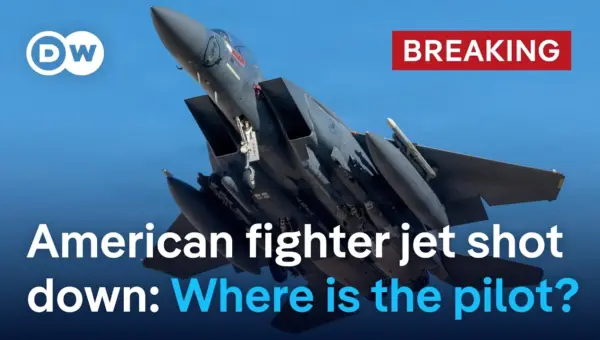
US Jet Downed in Iran: Crew Fate Unknown, War Unpopular
An American F-15 fighter jet has been shot down over Iran, with U.S. officials confirming the loss but offering few details on the crew's fate. The incident occurs amid widespread public opposition to the war and raises questions about Iran's air defense capabilities.

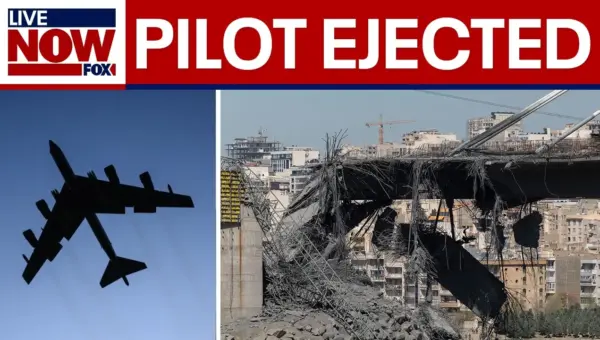
Iran Claims US Pilot Ejected; US Silent Amid Escalating Tensions
Iran claims a U.S. pilot ejected from a fighter jet over its territory, offering a reward for capture. The U.S. has not confirmed the report amid escalating regional tensions. Military experts discuss the strategic implications of U.S. strikes and the potential for internal change in Iran.
Trump Weighs War Exit Amid Iran Strikes and Internal Debate
President Trump is reportedly facing internal debate over how to end the escalating conflict with Iran, according to a new Time Magazine report. While publicly vowing to increase strikes, privately Trump seeks an "off-ramp" to declare victory and avoid domestic backlash, even as advisors express surprise at Iran's retaliatory attacks.